puño
“puño” means “fist” in Spanish. It has 3 different meanings depending on context:

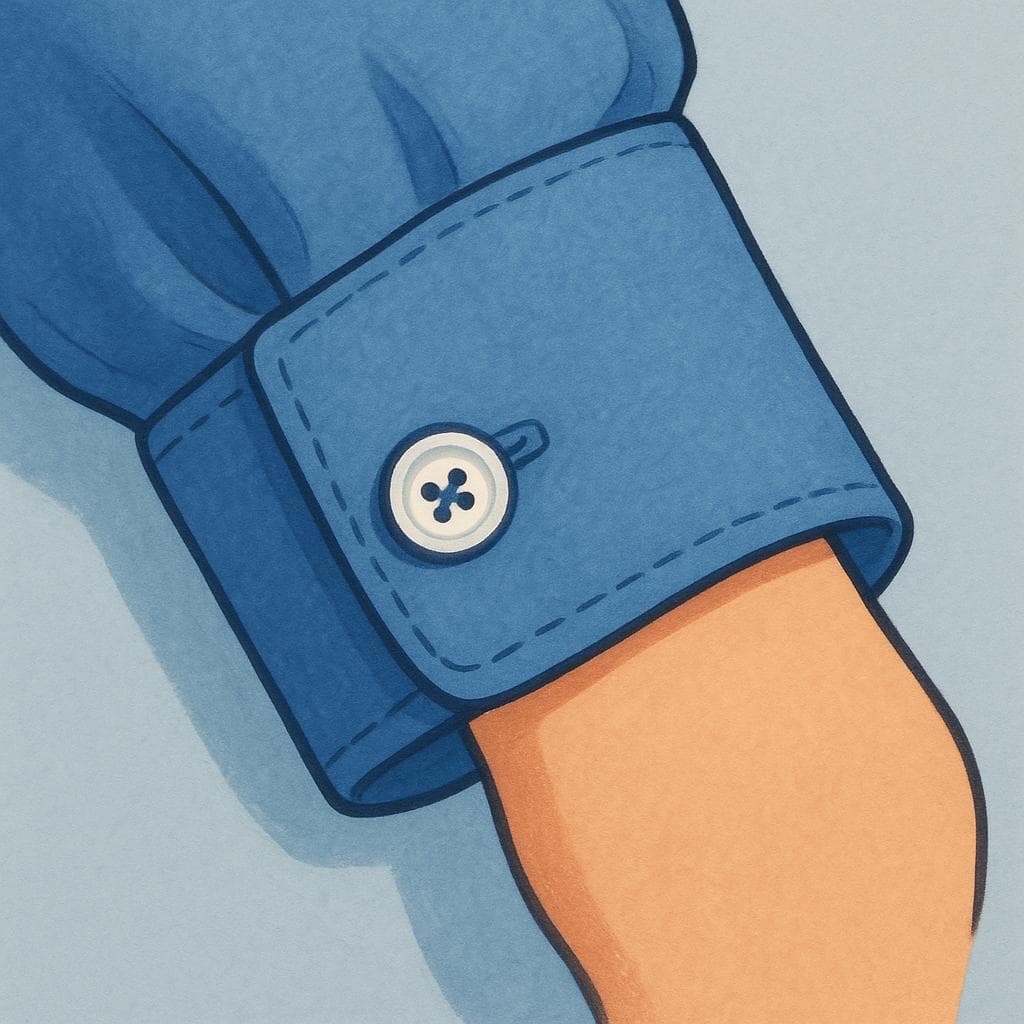

fist, punch
Also: clenched hand
📝 In Action
Cerró el puño con fuerza antes de golpear la mesa.
A2He closed his fist tightly before hitting the table.
Le dio un puño suave en el hombro como saludo.
B1He gave him a light punch on the shoulder as a greeting.
cuff
Also: wristband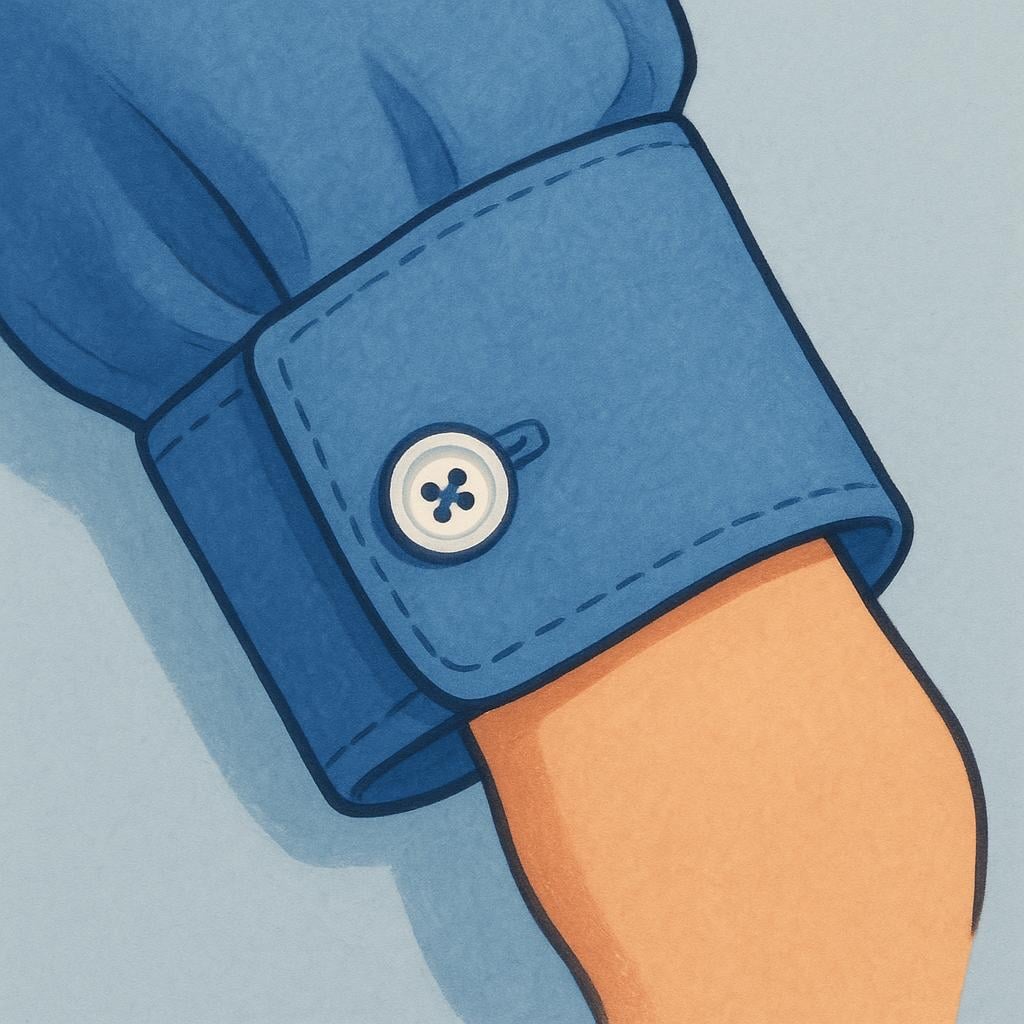
📝 In Action
El puño de la camisa se descosió y tuve que coserlo.
B1The shirt cuff came unstitched and I had to sew it.
Esta chaqueta tiene unos puños muy elegantes.
B2This jacket has very elegant cuffs.
control, handful
Also: grip
📝 In Action
El presidente gobernaba con puño de hierro, sin aceptar críticas.
B2The president governed with an iron fist, without accepting criticism.
Solo quedaba un puño de monedas en la caja.
C1Only a handful of coins remained in the box.
Translate to Spanish
✏️ Quick Practice
Quick Quiz: puño
Question 1 of 2
Which sentence uses 'puño' to refer to a piece of clothing?
📚 More Resources
👥 Word Family▼
🎵 Rhymes▼
📚 Etymology▼
Comes directly from the Latin word *pugnus*, which meant 'fist' or 'blow.' The word has kept its core meaning relating to a closed, compact shape.
First recorded: Medieval Latin period
Cognates (Related words)
💡 Master Spanish
Take your Spanish to the next level. Read 200+ illustrated and narrated Spanish stories tailored to your level with the Inklingo app!
Frequently Asked Questions
What is the difference between 'puño' and 'puñetazo'?
'Puño' is the noun for the closed hand itself (the object). 'Puñetazo' is the noun for the action of hitting someone with a closed hand (a punch or blow). Think of 'puño' as 'fist' and 'puñetazo' as 'a punch'.
Does 'puño' always mean something aggressive?
No. While it often relates to hitting or anger ('cerrar el puño de rabia'), it can also be neutral, referring to the cuff of a shirt, or even positive when describing a firm, controlled grip.