páginas
“páginas” means “pages” in Spanish (sheets of paper, sections of a book).
pages
Also: leaves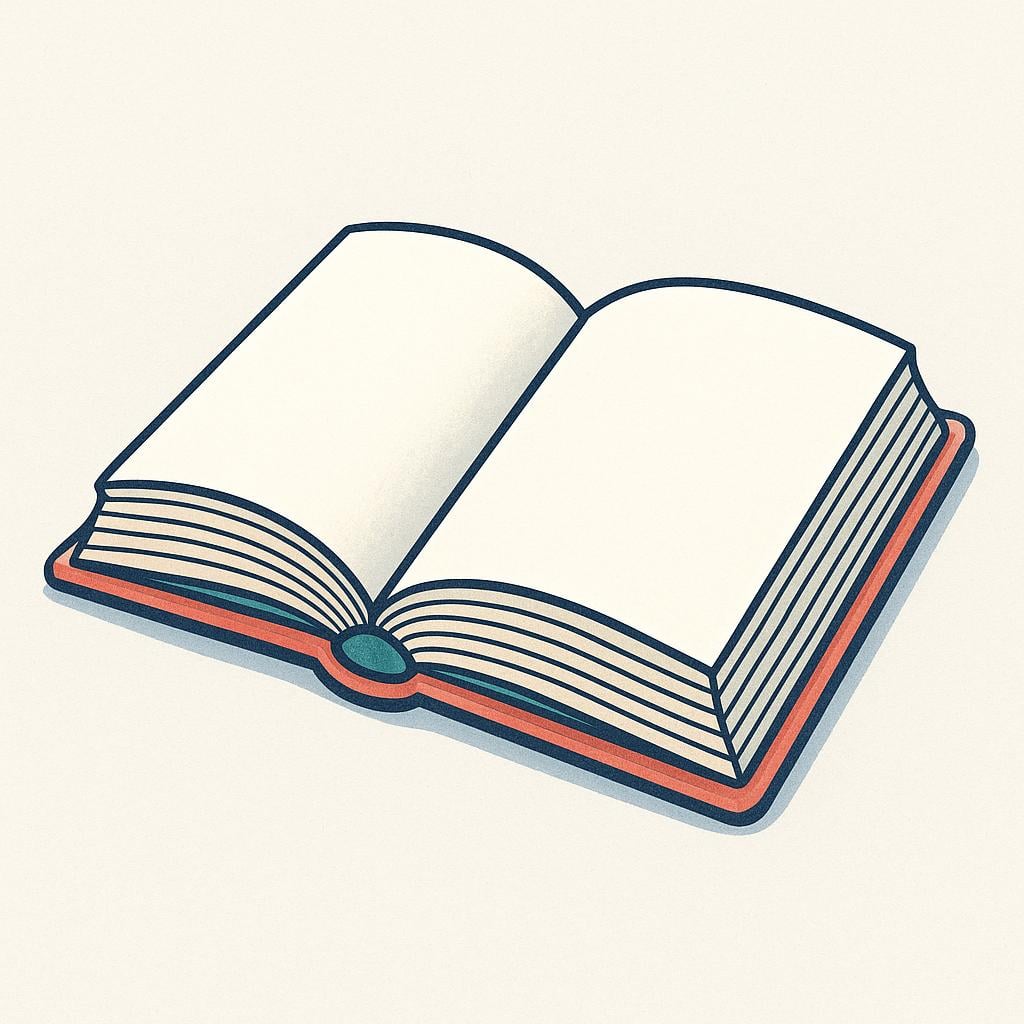
📝 In Action
El libro tiene trescientas páginas.
A1The book has three hundred pages.
Necesito revisar las primeras páginas del informe antes de imprimirlo.
A2I need to review the first pages of the report before printing it.
El motor de búsqueda indexa miles de millones de páginas web cada día.
B1The search engine indexes billions of web pages every day.
✏️ Quick Practice
Quick Quiz: páginas
Question 1 of 2
Which phrase correctly uses the word 'páginas'?
📚 More Resources
👥 Word Family▼
🎵 Rhymes▼
📚 Etymology▼
Comes directly from the Latin word *pagina*, which meant 'a column of writing' and originally referred to the way grapevines were trained to climb stakes, suggesting a vertical structure or connection.
First recorded: 13th century
Cognates (Related words)
💡 Master Spanish
Take your Spanish to the next level. Read 200+ illustrated and narrated Spanish stories tailored to your level with the Inklingo app!
Frequently Asked Questions
Why does 'páginas' have an accent mark?
The accent mark on the 'á' is there to ensure the word is stressed correctly on the first syllable (PÁ-gi-nas). Without the accent, the natural Spanish pronunciation rules would stress the second-to-last syllable, which would be incorrect for this word.
What is the difference between 'páginas' and 'hojas'?
While both mean 'sheets,' 'páginas' specifically refers to the numbered sides of a book or document. 'Hojas' (leaves) is a more general term for any single sheet of paper, regardless of whether it's bound in a book or not.