quería
“quería” means “I wanted” in Spanish. It has 3 different meanings depending on context:



📝 In Action
Yo quería un helado de chocolate, pero no había.
A1I wanted a chocolate ice cream, but there wasn't any.
Ella siempre quería ser piloto de aviones.
A2She always wanted to be an airplane pilot.
Él no quería ir a la fiesta anoche.
A2He didn't want to go to the party last night.
Word Connections
📝 In Action
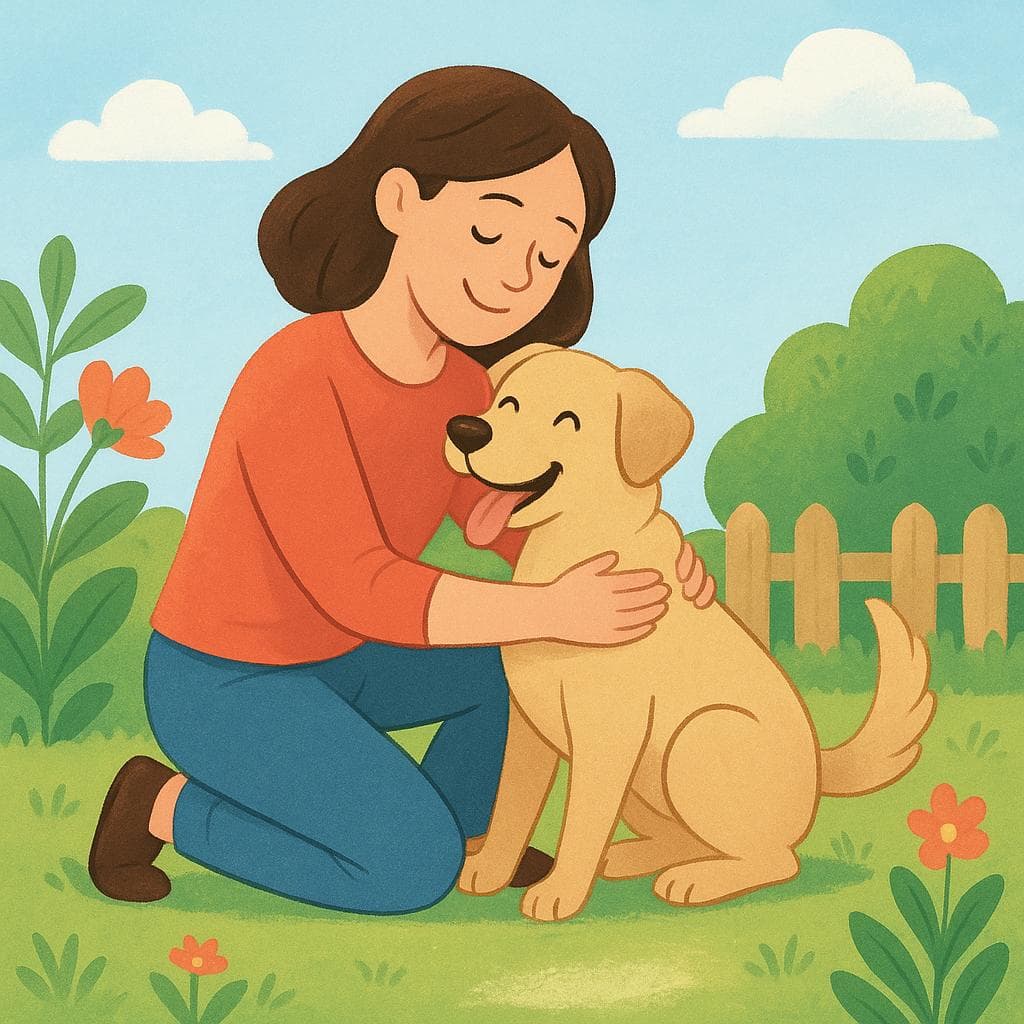
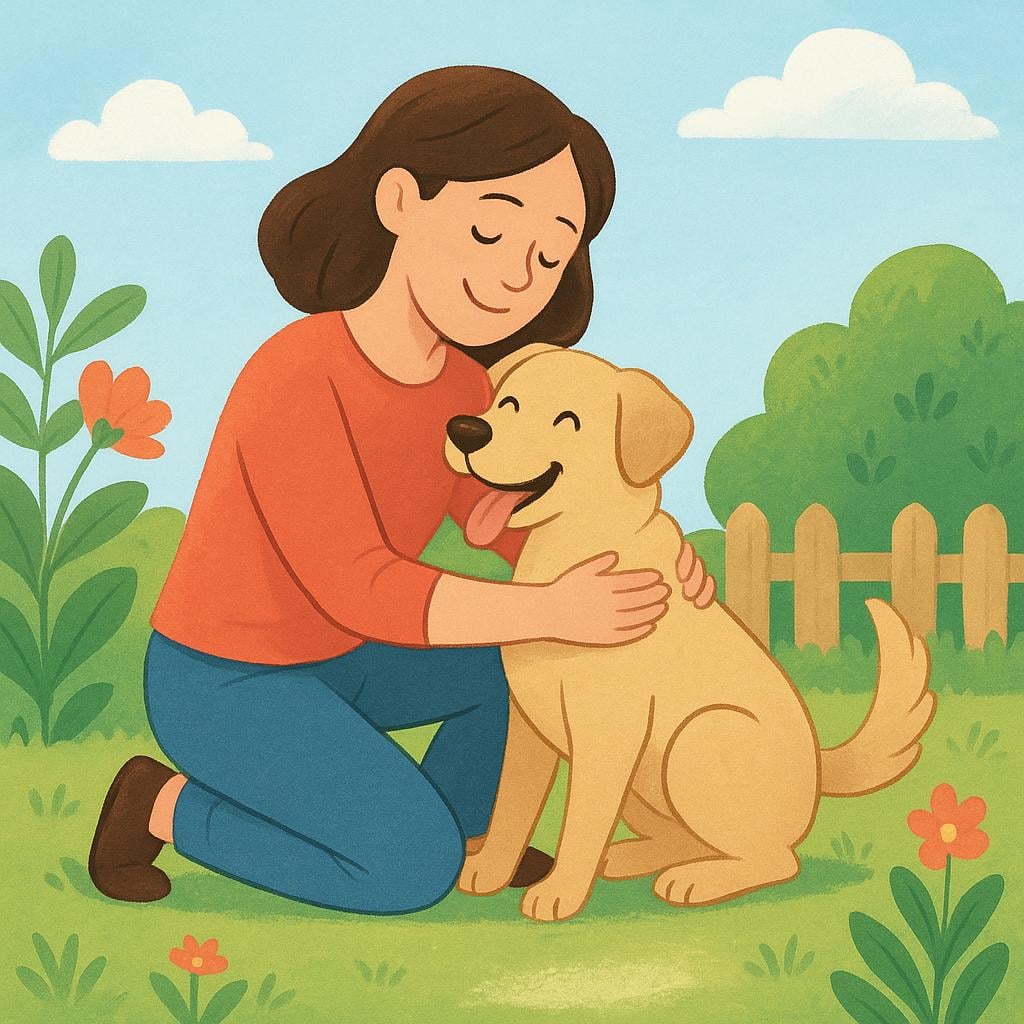
Mi abuela quería mucho a ese gato.
A2My grandmother loved that cat very much.
Yo no sabía cuánto la quería hasta que se fue.
B1I didn't know how much I loved her until she left.
Word Connections

📝 In Action
Quería preguntar si tienen una mesa libre.
B1I would like to ask if you have a free table.
Yo quería un vaso de agua, por favor.
B1I would like a glass of water, please.
Word Connections
Indicative
Present
Imperfect
Preterite
Subjunctive
Present Subjunctive
Imperfect Subjunctive
Translate to Spanish
Words that translate to "quería" in Spanish:
✏️ Quick Practice
Quick Quiz: quería
Question 1 of 2
Which sentence correctly uses 'quería' to describe a repeated action in the past?
📚 More Resources
👥 Word Family
📚 Etymology
The verb 'querer' comes from the Vulgar Latin verb *quaerere*, meaning 'to seek, ask for, or obtain'. Over time, its meaning shifted in Spanish to focus on the desire or intention behind the seeking.
First recorded: 11th century (as 'querer')
Cognates (Related words)
💡 Master Spanish
Take your Spanish to the next level. Read 200+ illustrated and narrated Spanish stories tailored to your level with the Inklingo app!
Frequently Asked Questions
Is 'quería' used more for 'want' or 'love'?
'Quería' is used for both. When referring to objects or actions, it almost always means 'wanted' ('quería un coche'). When referring to people, it usually means 'loved' or 'cared for' ('quería a su madre').
Why is 'quería' sometimes translated as 'would like'?
Spanish uses past tenses (like the imperfect 'quería') to make requests sound less direct and more courteous. It’s a way of being polite, similar to how English uses the conditional ('I would like').