rebeldes
“rebeldes” means “rebellious” in Spanish. It has 2 different meanings depending on context:
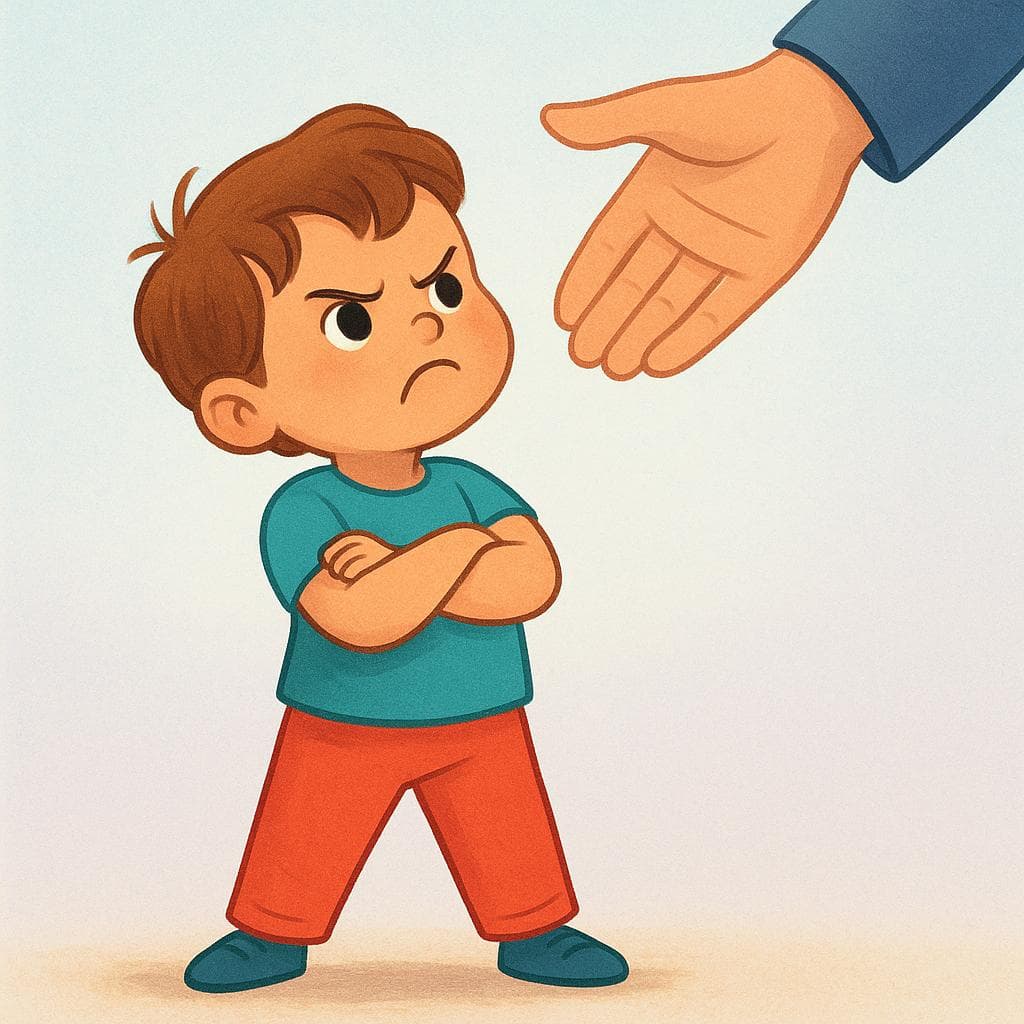

rebellious, defiant
Also: unruly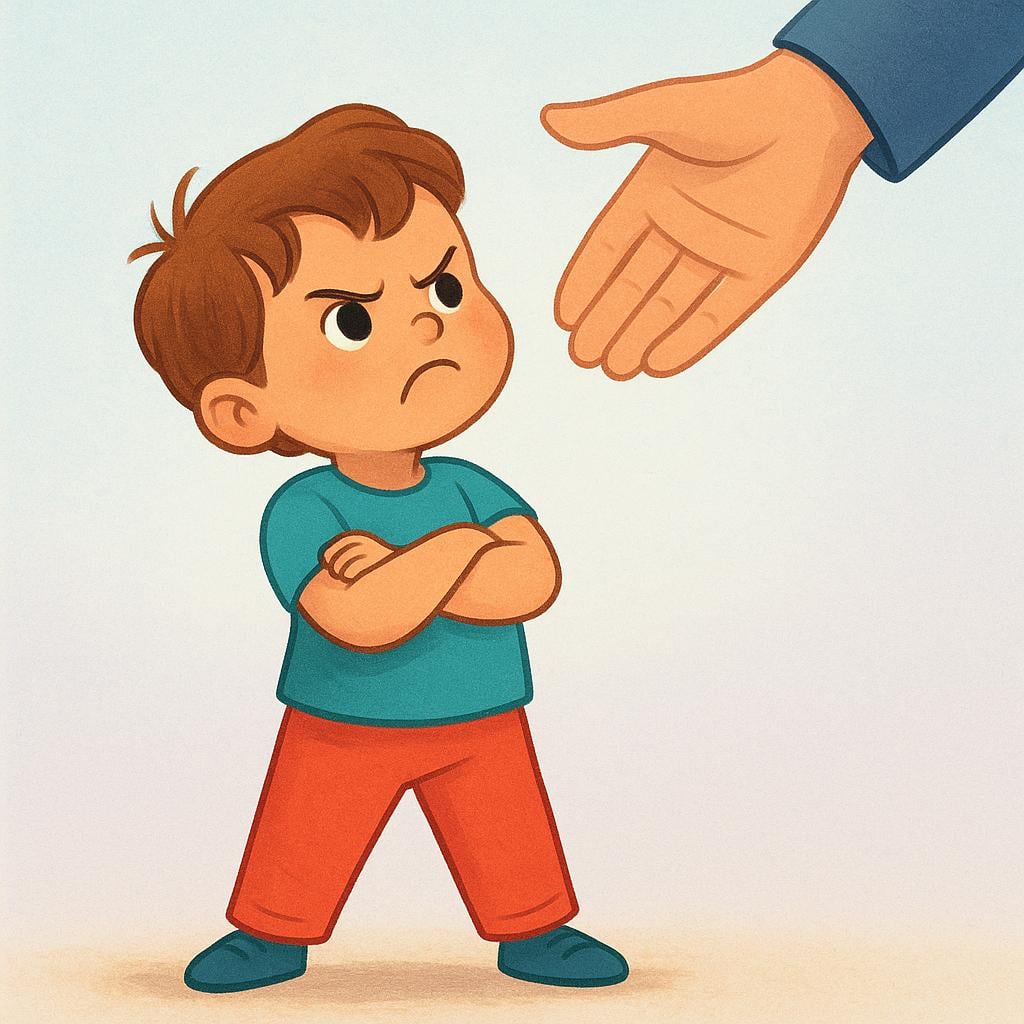
📝 In Action
Mis hijos son muy rebeldes y siempre discuten las reglas.
A2My children are very rebellious and always argue about the rules.
Necesitas un gel fuerte para domar esos cabellos rebeldes.
B1You need a strong gel to tame those unruly hairs.
Presentaron ideas muy rebeldes que desafiaron a la junta directiva.
B2They presented very defiant ideas that challenged the board of directors.
rebels
Also: insurgents, mutineers
📝 In Action
Los rebeldes tomaron el control de la capital por unas horas.
B1The rebels took control of the capital for a few hours.
La policía identificó a los líderes de los rebeldes.
B1The police identified the leaders of the rebels.
Muchos de los jóvenes se unieron a los rebeldes por ideales políticos.
B2Many of the young people joined the rebels due to political ideals.
Translate to Spanish
✏️ Quick Practice
Quick Quiz: rebeldes
Question 1 of 2
Which sentence uses 'rebeldes' as a noun (referring to people)?
📚 More Resources
👥 Word Family▼
📚 Etymology▼
The word comes directly from the Latin *rebellis*, which means 'one who renews war.' It was used to describe people who, after being conquered, started fighting again.
First recorded: 13th century (in similar forms)
Cognates (Related words)
💡 Master Spanish
Take your Spanish to the next level. Read 200+ illustrated and narrated Spanish stories tailored to your level with the Inklingo app!
Frequently Asked Questions
Why is 'rebeldes' the plural form for both masculine and feminine groups?
The singular form, 'rebelde,' ends in the vowel 'e,' which is common for adjectives that don't change form based on gender. To make it plural, we simply add '-s,' resulting in 'rebeldes' for both 'los hombres' (masculine) and 'las mujeres' (feminine).
Is 'rebeldes' a strong or weak term?
It's a strong term. It implies a serious, ongoing resistance to rules, authority, or control, whether in a political sense (rebels fighting a government) or a personal one (a child who consistently refuses to obey).