relajarte
“relajarte” means “to relax (yourself)” in Spanish (telling someone to unwind).
to relax (yourself)
Also: to chill out, to loosen up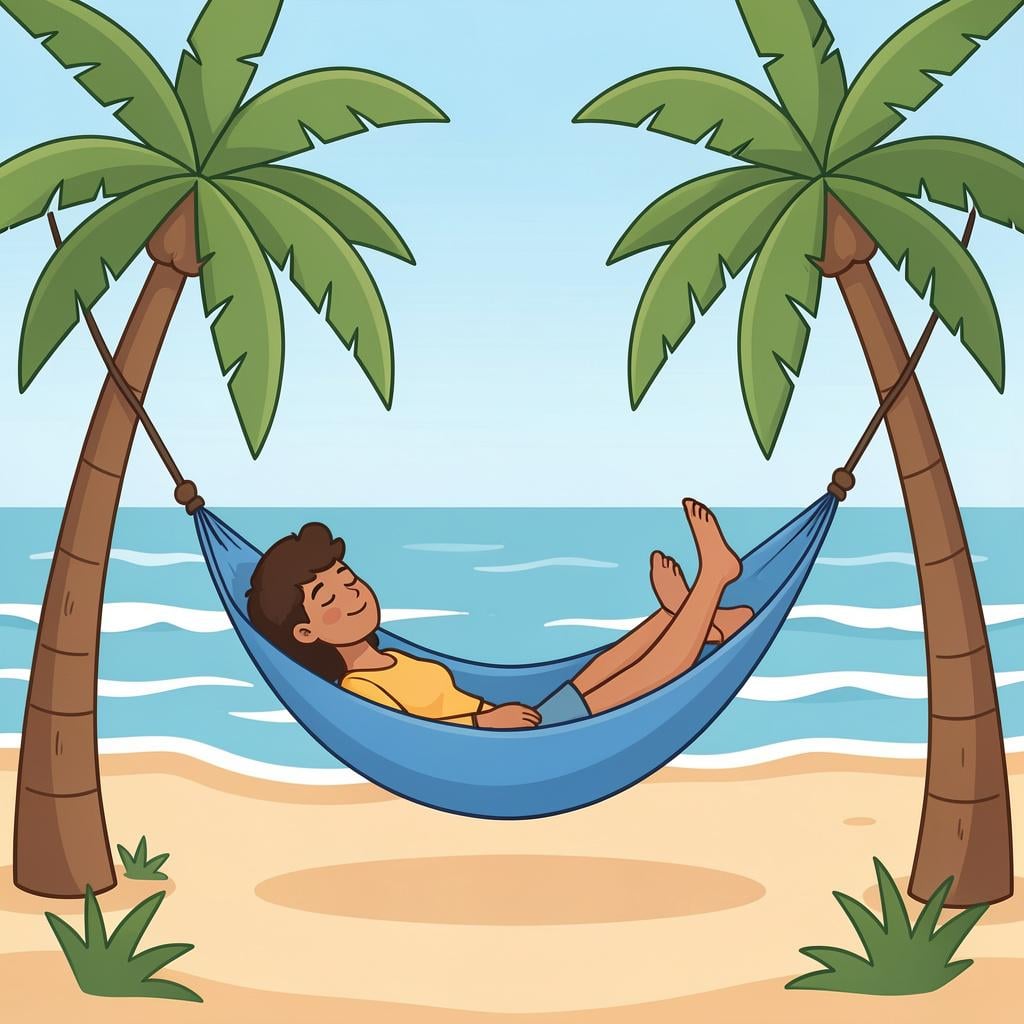
📝 In Action
Necesitas tomar un té para relajarte.
A1You need to drink a tea to relax yourself.
Es difícil relajarte con tanto ruido.
A2It is hard to relax with so much noise.
Después de trabajar, lo mejor es relajarte en el sofá.
B1After working, the best thing is to unwind on the sofa.
Subjunctive
Imperfect Subjunctive
Present Subjunctive
Indicative
Preterite
Imperfect
Present
✏️ Quick Practice
Quick Quiz: relajarte
Question 1 of 1
When would you say 'relajarte' instead of just 'relajar'?
📚 More Resources
👥 Word Family▼
📚 Etymology▼
From the Latin word 'relaxare', which literally meant 'to loosen' or 'to widen'. It's the same root that gave us 'relay' and 'release' in English.
First recorded: 13th century
Cognates (Related words)
💡 Master Spanish
Take your Spanish to the next level. Read 200+ illustrated and narrated Spanish stories tailored to your level with the Inklingo app!
Frequently Asked Questions
Can I say 'te relajar' instead of 'relajarte'?
Almost! You can say 'te puedes relajar' (you can relax), but you can't just say 'te relajar' alone. If you have a helping verb like 'necesitas', the 'te' can go at the very start or stuck to the end: 'te necesitas relajar' or 'necesitas relajarte'.
Is 'relajarte' formal or informal?
It is informal because of the 'te', which is used for friends, family, and people your age.