remedio
“remedio” means “medicine” in Spanish. It has 3 different meanings depending on context:
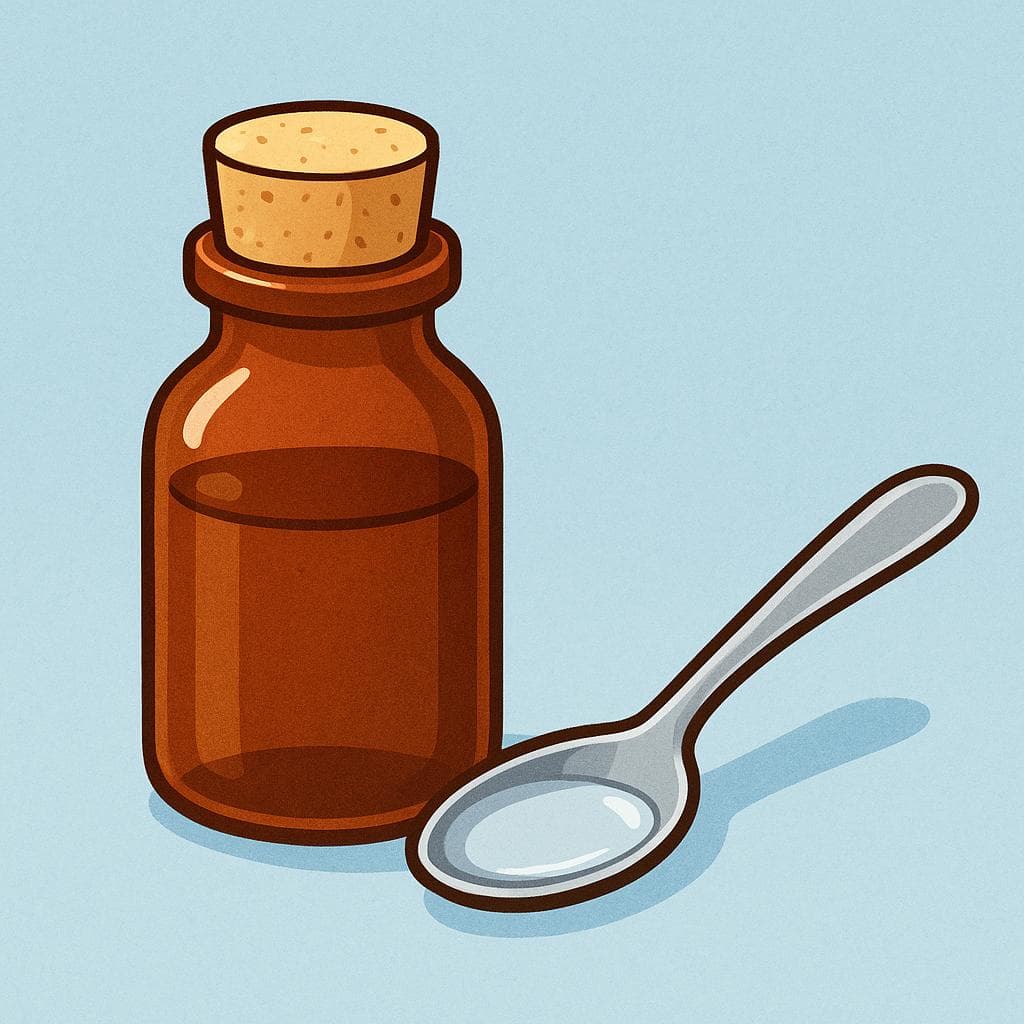


medicine, cure
Also: treatment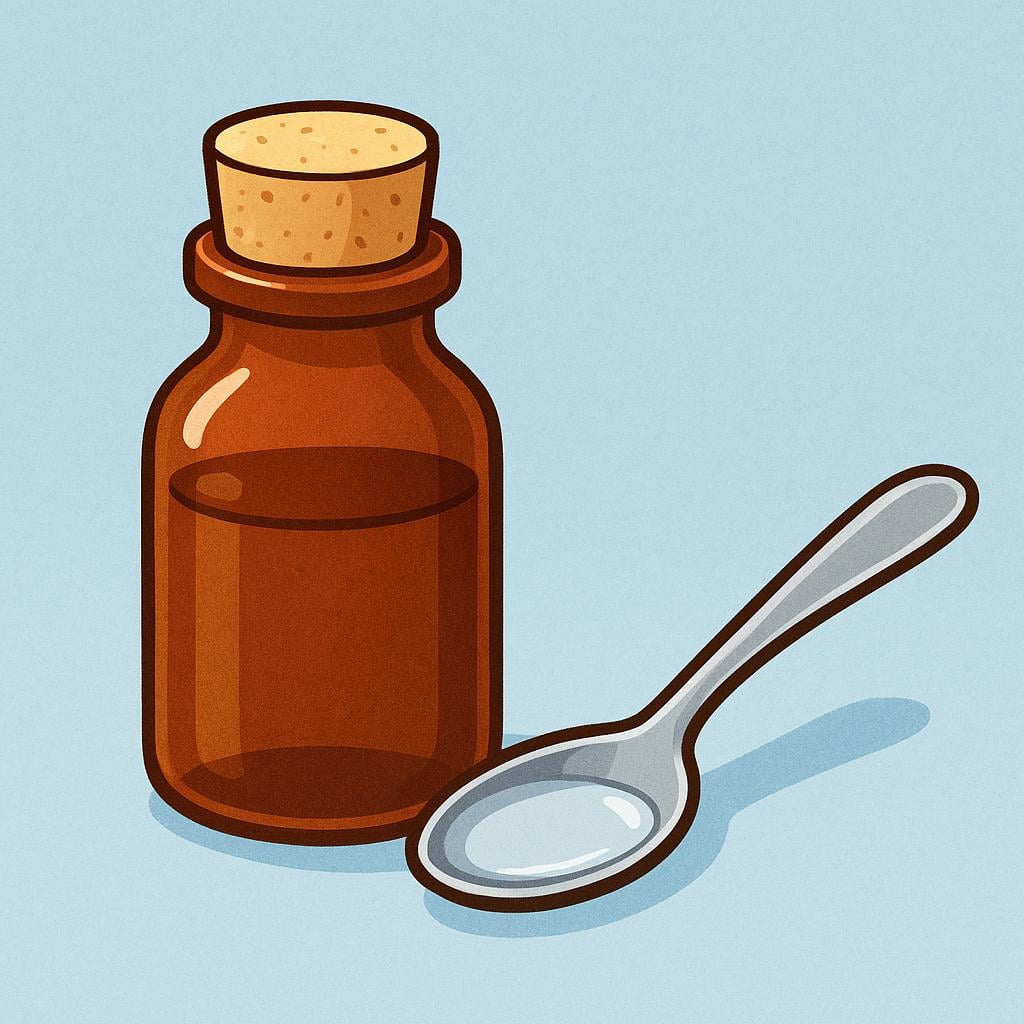
📝 In Action
El doctor me dio un remedio muy fuerte para la gripe.
A2The doctor gave me a very strong medicine for the flu.
Dicen que el ajo es un remedio natural excelente para el resfriado.
B1They say that garlic is an excellent natural remedy for a cold.
¿Conoces algún remedio casero para las quemaduras?
B1Do you know any home remedies for burns?
solution, fix
Also: redress
📝 In Action
La junta directiva no encuentra un remedio para la crisis económica.
B2The board of directors cannot find a solution for the economic crisis.
Pusimos remedio a la situación cancelando el evento.
B2We put a stop to the situation (or fixed the situation) by canceling the event.
No hay remedio para la estupidez, solo para la ignorancia.
C1There is no solution for stupidity, only for ignorance.
choice, option
Also: it can't be helped
📝 In Action
No hay más remedio que esperar aquí hasta que abra el banco.
B2There is no choice but to wait here until the bank opens.
Si el autobús no viene, no hay remedio, tendremos que caminar.
B2If the bus doesn't come, there's no way around it, we'll have to walk.
Su comportamiento es tan malo que ya no tiene remedio.
C1His behavior is so bad that he is beyond fixing (or hopeless).
Translate to Spanish
✏️ Quick Practice
Quick Quiz: remedio
Question 1 of 2
Which sentence uses 'remedio' in the sense of 'solution to a problem,' not 'medicine'?
📚 More Resources
👥 Word Family▼
🎵 Rhymes▼
📚 Etymology▼
Comes directly from the Latin word *remedium*, which literally meant 'what restores health' or 'cure.' It has been used in Spanish since medieval times and its meaning has expanded from curing the body to fixing any kind of problem.
First recorded: 13th century
Cognates (Related words)
💡 Master Spanish
Take your Spanish to the next level. Read 200+ illustrated and narrated Spanish stories tailored to your level with the Inklingo app!
Frequently Asked Questions
What is the difference between 'remedio' and 'medicina'?
'Remedio' is usually a specific cure or treatment, often simple or traditional (like a home remedy). 'Medicina' can refer to the field of medical science, or to manufactured drugs (like prescription medicine). They are often interchangeable when talking about pills, but 'remedio' is much broader.
Can I use 'remedio' to talk about fixing a broken object?
Not usually. 'Remedio' is better for fixing abstract problems (financial, social, health). For fixing a broken physical object (a car or a toy), you should use words like 'reparación' or 'arreglo'.