respiración
“respiración” means “breathing” in Spanish. It has 2 different meanings depending on context:


breathing, respiration

📝 In Action
Después de correr, mi respiración estaba muy agitada.
A2After running, my breathing was very heavy.
La respiración lenta ayuda a calmar los nervios.
B1Slow breathing helps calm the nerves.
Word Connections
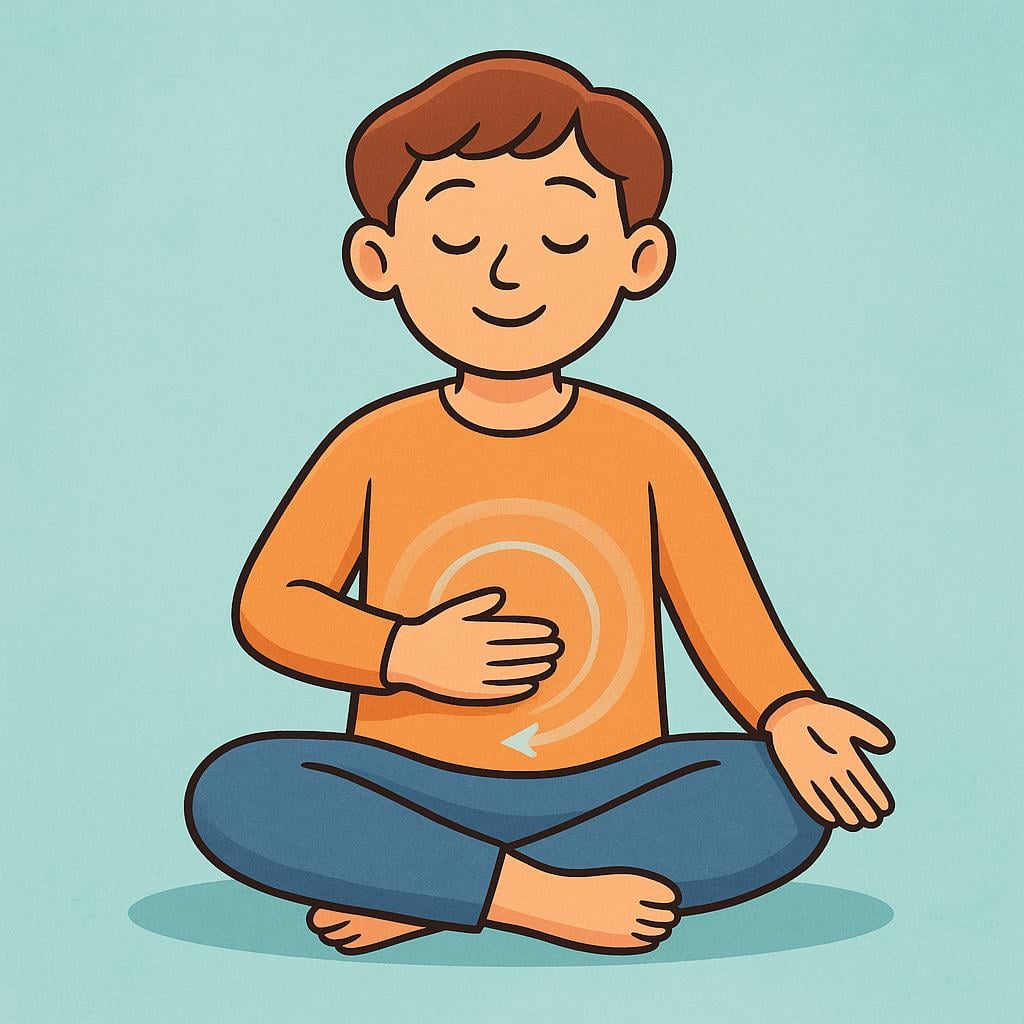
breathing techniqueAlso: rescue breathing, artificial respiration
📝 In Action
El instructor enseñó una técnica de respiración para relajarse.
B1The instructor taught a breathing technique to relax.
El paramédico inició la respiración de salvamento.
B2The paramedic started the rescue breathing.
Word Connections
Translate to Spanish
Words that translate to "respiración" in Spanish:
✏️ Quick Practice
Quick Quiz: respiración
Question 1 of 1
Which sentence correctly uses 'respiración' in the context of physical exertion?
📚 More Resources
👥 Word Family
🎵 Rhymes
📚 Etymology
Comes from the Latin word *respiratio*, which means 'a breathing again' or 'a pause.' It combines the prefix *re-* (meaning 'again' or 'back') and the verb *spirare* (meaning 'to breathe' or 'to blow').
First recorded: Around the 13th century in Spanish
Cognates (Related words)
💡 Master Spanish
Take your Spanish to the next level. Read 200+ illustrated and narrated Spanish stories tailored to your level with the Inklingo app!
Frequently Asked Questions
¿Cuál es la diferencia entre 'respiración' y 'aliento'?
'Respiración' refers to the whole process or act of breathing (inhaling and exhaling). 'Aliento' generally refers to the air that is exhaled, or the physical presence of breath (as in 'bad breath').
Since 'respirar' is a verb, why is 'respiración' feminine?
Spanish nouns that end in the suffix -ción (like 'canción,' 'nación,' 'situación') almost always refer to an action or result and are almost always feminine. It's a very reliable pattern to remember!