resulta
“resulta” means “it turns out” in Spanish. It has 2 different meanings depending on context:

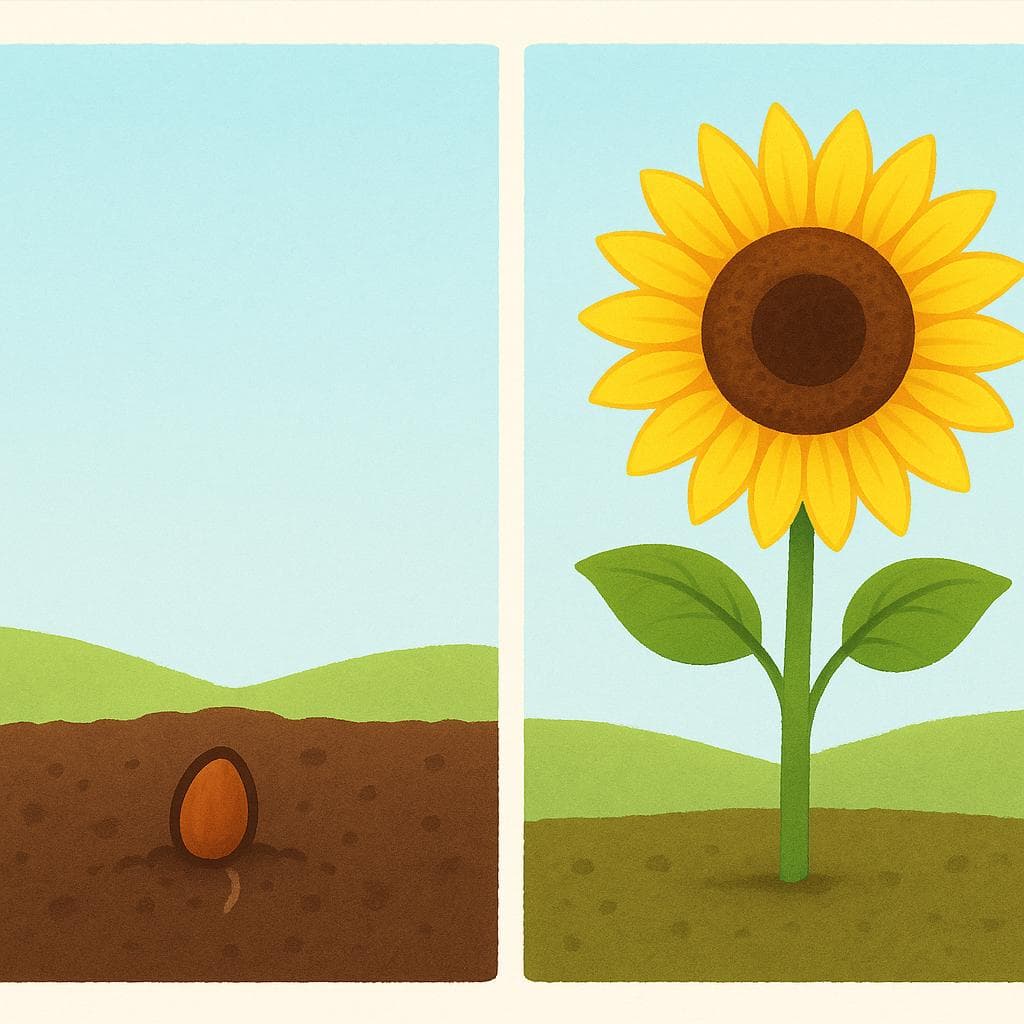
it turns out, it is
Also: it results
📝 In Action
Resulta que no teníamos dinero para el taxi.
B1It turns out that we didn't have money for the taxi.
Si mezclas azul y amarillo, resulta el color verde.
A2If you mix blue and yellow, the color green results (or comes out).
La decisión resulta ser muy complicada para la empresa.
B2The decision proves to be (or is) very complicated for the company.
result
Also: yield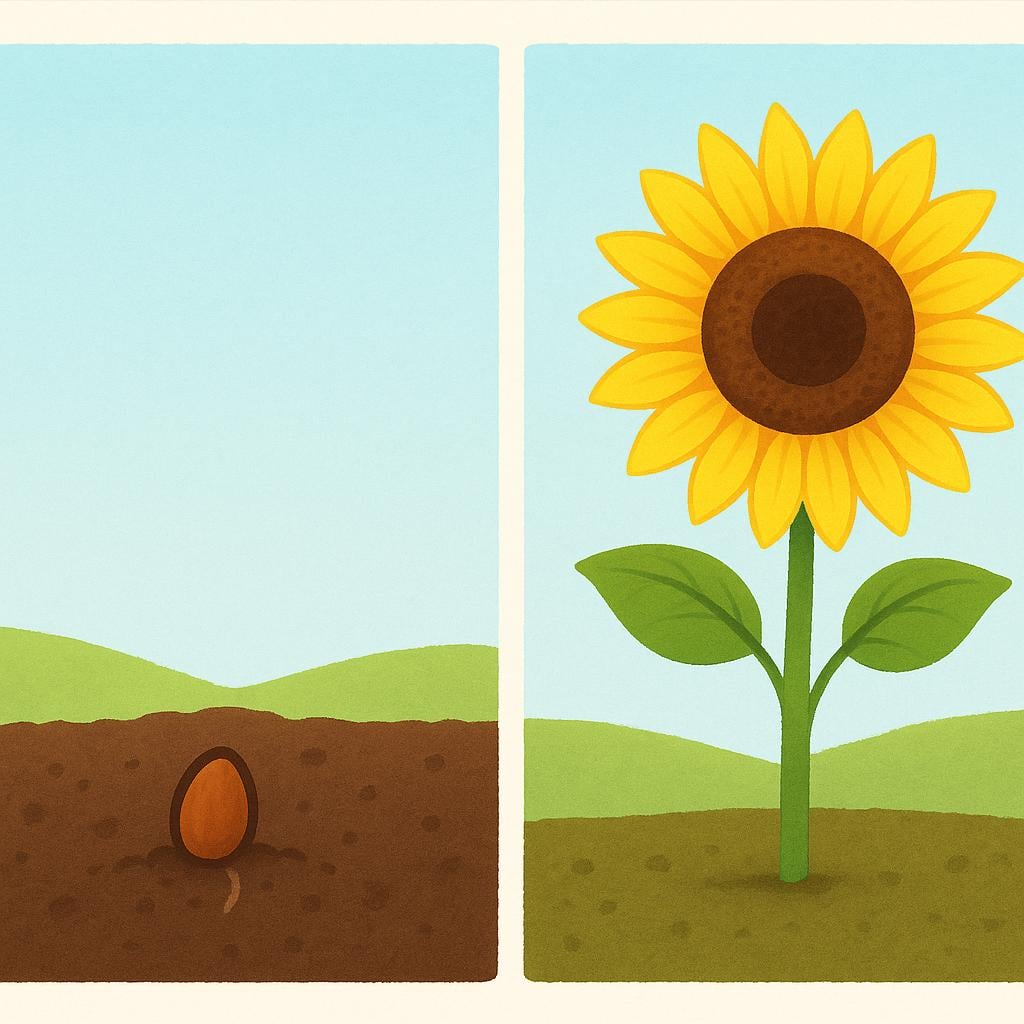
📝 In Action
Las resultas de las negociaciones no fueron anunciadas.
C1The results of the negotiations were not announced.
Tenemos que esperar la resulta del análisis forense.
B2We have to await the result of the forensic analysis.
🔄 Conjugations
indicative
present
imperfect
preterite
subjunctive
present
imperfect
Translate to Spanish
✏️ Quick Practice
Quick Quiz: resulta
Question 1 of 2
Which of these sentences correctly uses 'resulta' to introduce a surprising fact?
📚 More Resources
🎵 Rhymes▼
📚 Etymology▼
From the Latin verb *resultare*, meaning 'to spring back, leap back,' which evolved in Spanish to mean 'to follow as a consequence' or 'to come out of something.'
First recorded: Medieval period (c. 13th century)
Cognates (Related words)
💡 Master Spanish
Take your Spanish to the next level. Read 200+ illustrated and narrated Spanish stories tailored to your level with the Inklingo app!
Frequently Asked Questions
How do I know whether to use 'resulta' (verb) or 'resultado' (noun)?
If you are saying 'It turns out that...' or 'It proves to be...' (an action or state), use the verb 'resulta.' If you are referring to the outcome, score, or final product (a thing), use the masculine noun 'el resultado.'
Why is 'Resulta que...' so common?
It serves as a smooth way to transition into important information, often providing context or revealing something new, like saying 'Guess what?' or 'As it happens...' in English.