ruso
“ruso” means “Russian” in Spanish. It has 3 different meanings depending on context:
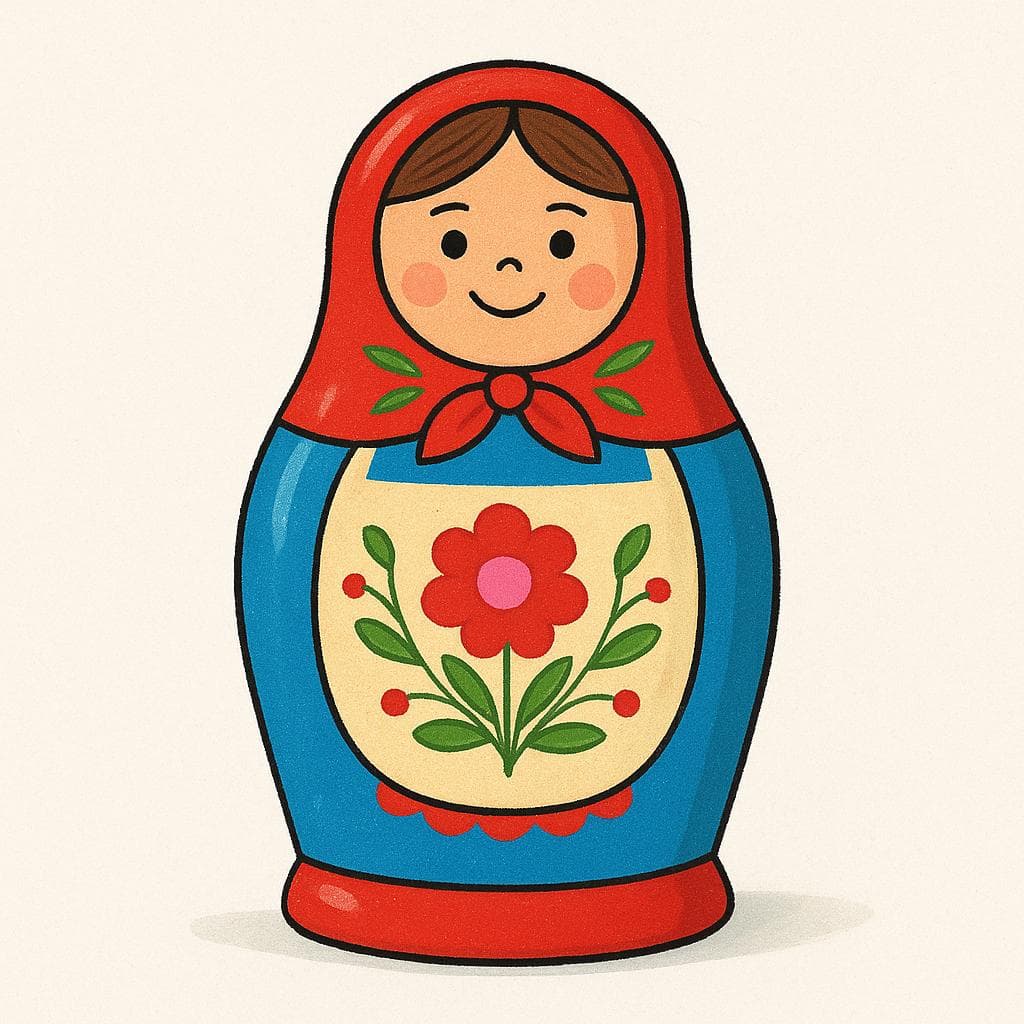


Russian
Also: of Russia
📝 In Action
La bandera rusa tiene tres colores.
A1The Russian flag has three colors.
Me encanta la comida rusa, especialmente el borsch.
A2I love Russian food, especially borscht.
Los escritores rusos son muy famosos en todo el mundo.
B1Russian writers are very famous throughout the world.
Russian man
Also: Russian
📝 In Action
El ruso que trabaja aquí es ingeniero.
A1The Russian (man) who works here is an engineer.
Varios rusos visitaron el museo hoy.
A2Several Russians visited the museum today.
Russian

📝 In Action
¿Sabes hablar ruso?
A2Do you know how to speak Russian?
El ruso es un idioma eslavo.
B1Russian is a Slavic language.
Necesito un diccionario de ruso.
A2I need a Russian dictionary.
Translate to Spanish
🗣️ Practice in a Tongue Twister
✏️ Quick Practice
Quick Quiz: ruso
Question 1 of 2
Which sentence correctly uses 'ruso' when talking about the language?
📚 More Resources
👥 Word Family▼
📚 Etymology▼
The word comes directly from the historical name of the inhabitants and the region, derived from the Latinized form of the Old East Slavic root *rusĭ.
First recorded: Medieval period (as an exonym)
Cognates (Related words)
💡 Master Spanish
Take your Spanish to the next level. Read 200+ illustrated and narrated Spanish stories tailored to your level with the Inklingo app!
Frequently Asked Questions
Should I capitalize 'ruso'?
No. In Spanish, words referring to nationalities, languages, and origins (like ruso) are written in lowercase, unless they appear at the very beginning of a sentence.
What is the feminine form of 'ruso'?
The feminine form is 'rusa'. This applies whether you are using it as an adjective ('la cultura rusa') or as a noun ('una rusa').