rusa
“rusa” means “Russian” in Spanish. It has 3 different meanings depending on context:
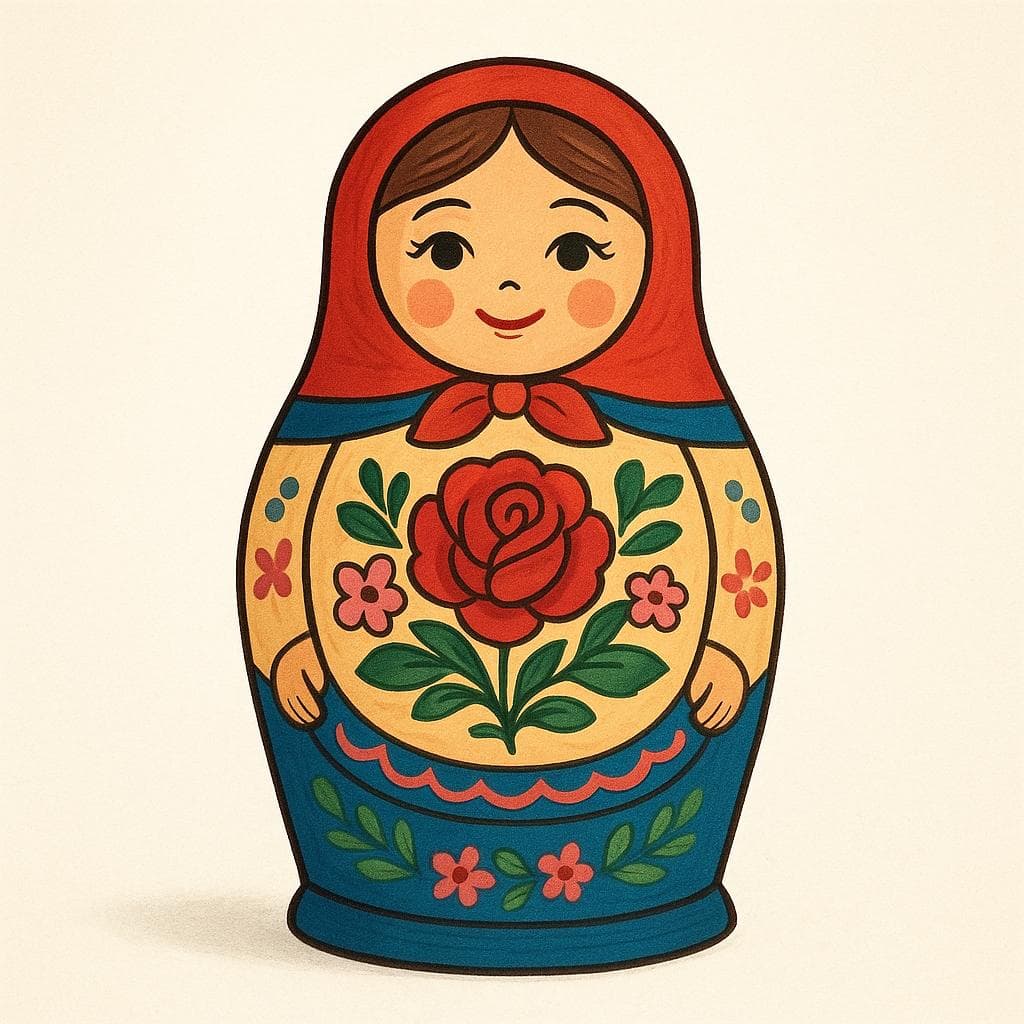

Russian
Also: of Russia
📝 In Action
La capital rusa es Moscú.
A1The Russian capital is Moscow.
Me encanta la literatura rusa clásica.
A2I love classic Russian literature.
Russian woman
Also: female Russian
📝 In Action
Una rusa me preguntó cómo llegar al museo.
A2A Russian woman asked me how to get to the museum.
Ella es rusa, pero vive en España desde hace años.
B1She is a Russian, but she has lived in Spain for years.
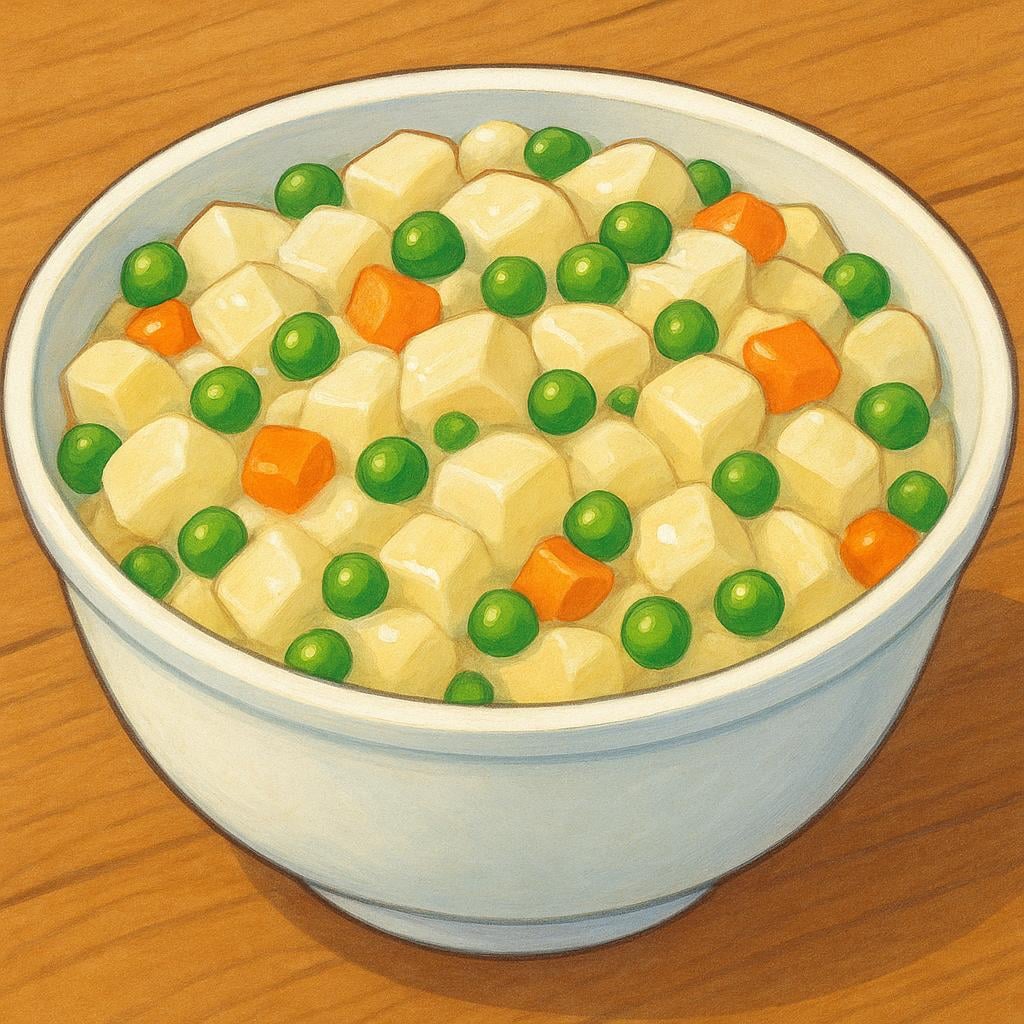
Russian salad
📝 In Action
Para la cena, solo pedimos una ración de rusa.
B1For dinner, we only ordered a portion of Russian salad.
Esta rusa de mi abuela está deliciosa.
B2This Russian salad made by my grandmother is delicious.
Translate to Spanish
✏️ Quick Practice
Quick Quiz: rusa
Question 1 of 1
Which sentence uses 'rusa' as a noun?
📚 More Resources
📚 Etymology▼
Comes from the Latin word *Russus*, which referred to the people and territory of the Rus', a region that eventually developed into modern Russia. It is one of the many nationality words that Spanish inherited directly from Latin.
First recorded: 15th century (referring to the region/people)
Cognates (Related words)
💡 Master Spanish
Take your Spanish to the next level. Read 200+ illustrated and narrated Spanish stories tailored to your level with the Inklingo app!
Frequently Asked Questions
¿Por qué 'rusa' se escribe a veces con mayúscula y a veces con minúscula?
Usas minúscula ('rusa') cuando es un adjetivo (describiendo algo) o un sustantivo para la persona ('una rusa'). Solamente usas mayúscula si te refieres al país ('Rusia') o al principio de una oración.
If I am talking about a man, do I use 'rusa'?
No. 'Rusa' is only used for feminine things or people. If you are talking about a man, you must use the masculine form, 'ruso' (e.g., 'el hombre ruso' or 'un ruso').