sabíamos
“sabíamos” means “we knew” in Spanish. It has 2 different meanings depending on context:
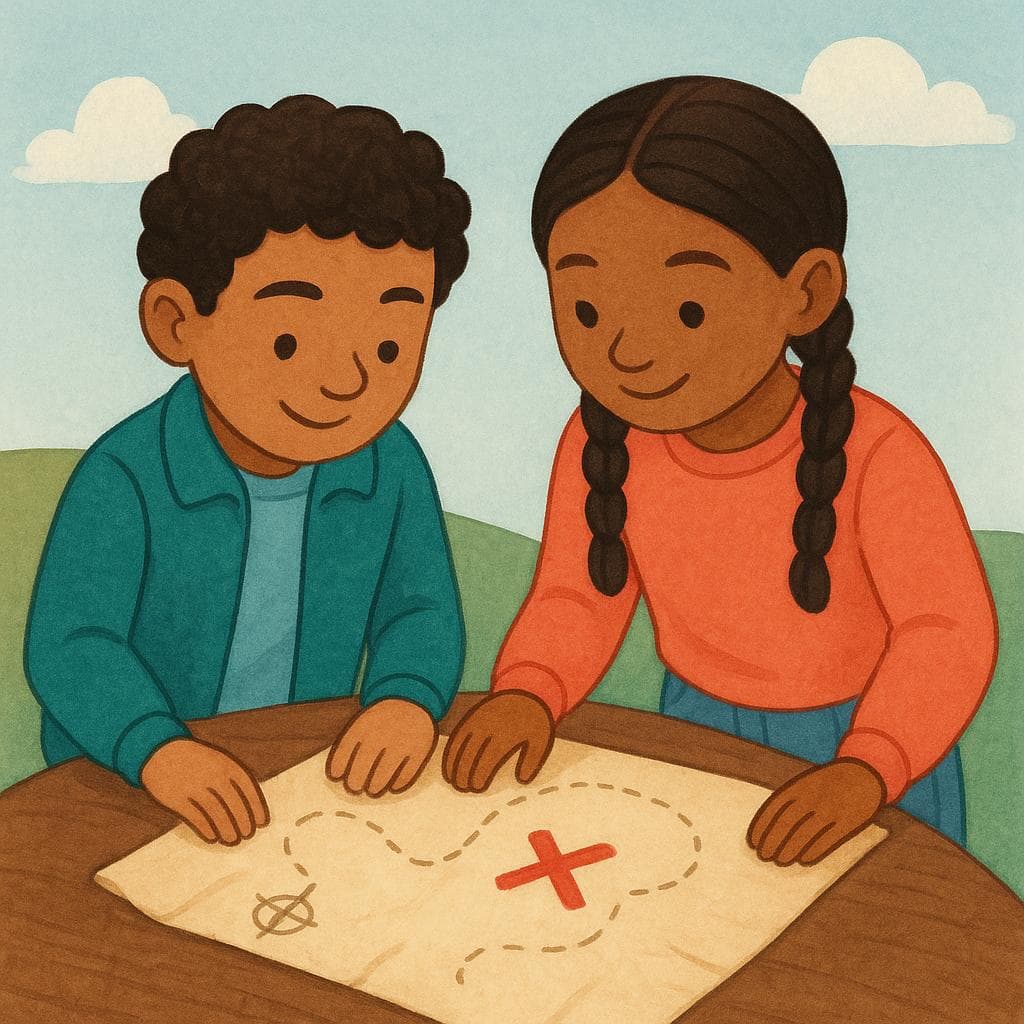

we knew
Also: we were aware, we used to know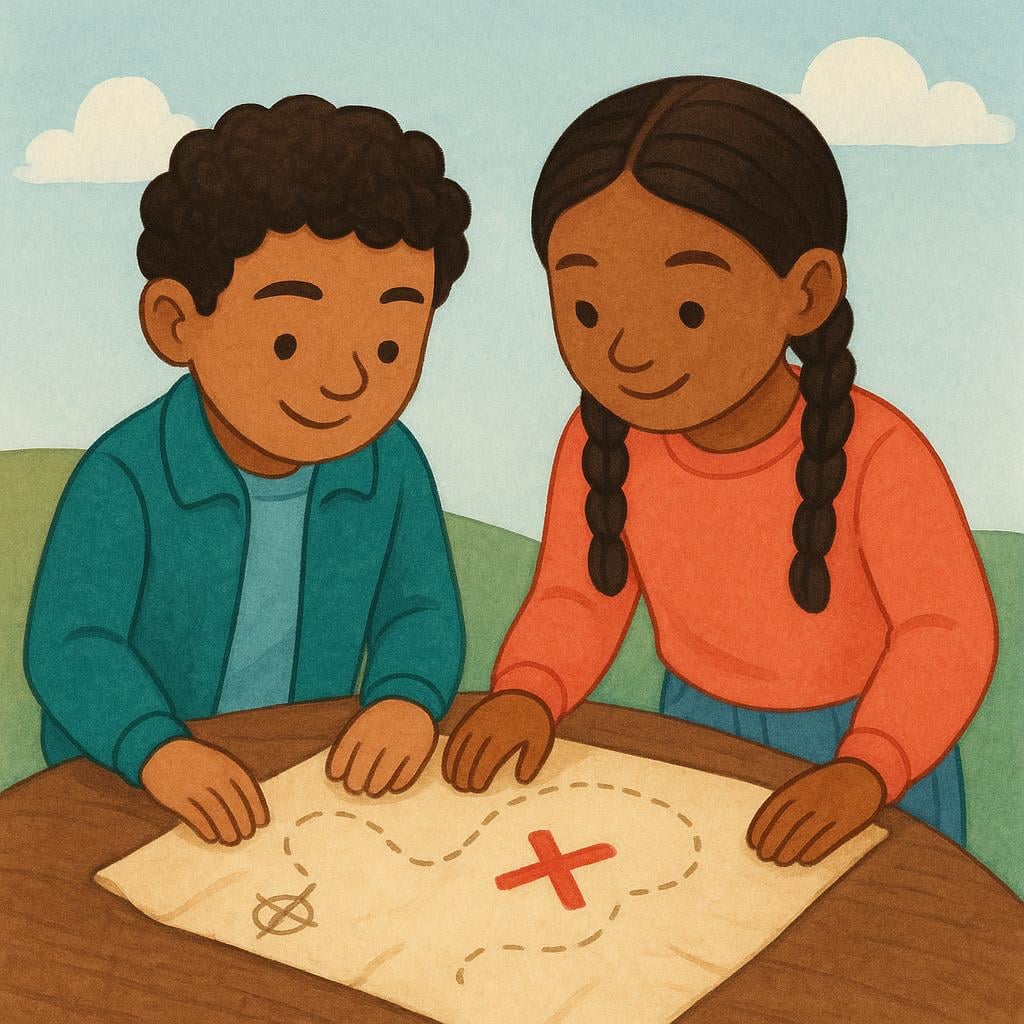
📝 In Action
Sabíamos que el tren llegaba tarde.
A1We knew that the train was arriving late.
¿Por qué no nos dijiste? ¡Sabíamos que algo andaba mal!
A2Why didn't you tell us? We knew something was wrong!
En ese momento, solo sabíamos la mitad de la historia.
B1At that moment, we only knew half the story.
we knew how to
Also: we were capable of
📝 In Action
Cuando éramos jóvenes, sabíamos patinar sobre hielo.
A2When we were young, we knew how to ice skate.
Antes de la clase, no sabíamos usar este programa.
B1Before the class, we didn't know how to use this program.
Ellos nos enseñaron porque nosotros no sabíamos cocinar.
B2They taught us because we didn't know how to cook.
🔄 Conjugations
indicative
present
imperfect
preterite
subjunctive
present
imperfect
Translate to Spanish
Words that translate to "sabíamos" in Spanish:
we knew→✏️ Quick Practice
Quick Quiz: sabíamos
Question 1 of 2
Which sentence correctly uses 'sabíamos' to describe a continuous state of knowledge?
📚 More Resources
👥 Word Family▼
🎵 Rhymes▼
📚 Etymology▼
The verb *saber* comes from the Latin verb *sapere*, which originally meant 'to taste' or 'to be discerning/wise.' Over time, the meaning shifted from 'having taste' to 'having wisdom' and finally to the modern meaning 'to know.'
First recorded: Before the 10th century (Old Spanish)
Cognates (Related words)
💡 Master Spanish
Take your Spanish to the next level. Read 200+ illustrated and narrated Spanish stories tailored to your level with the Inklingo app!
Frequently Asked Questions
What is the difference between 'sabíamos' and 'supimos'?
'Sabíamos' (imperfect) means 'we knew' as an ongoing state or background fact in the past ('We always knew'). 'Supimos' (preterite) means 'we found out' or 'we learned' at a specific moment in the past ('We found out yesterday').
Is 'sabíamos' considered a regular or irregular conjugation?
The infinitive 'saber' is irregular in many tenses (like the Present and Preterite), but the Imperfect tense ('sabíamos') is actually formed regularly by adding the standard imperfect endings (-íamos) to the stem 'sab-'.