satisfecho
“satisfecho” means “satisfied” in Spanish. It has 2 different meanings depending on context:

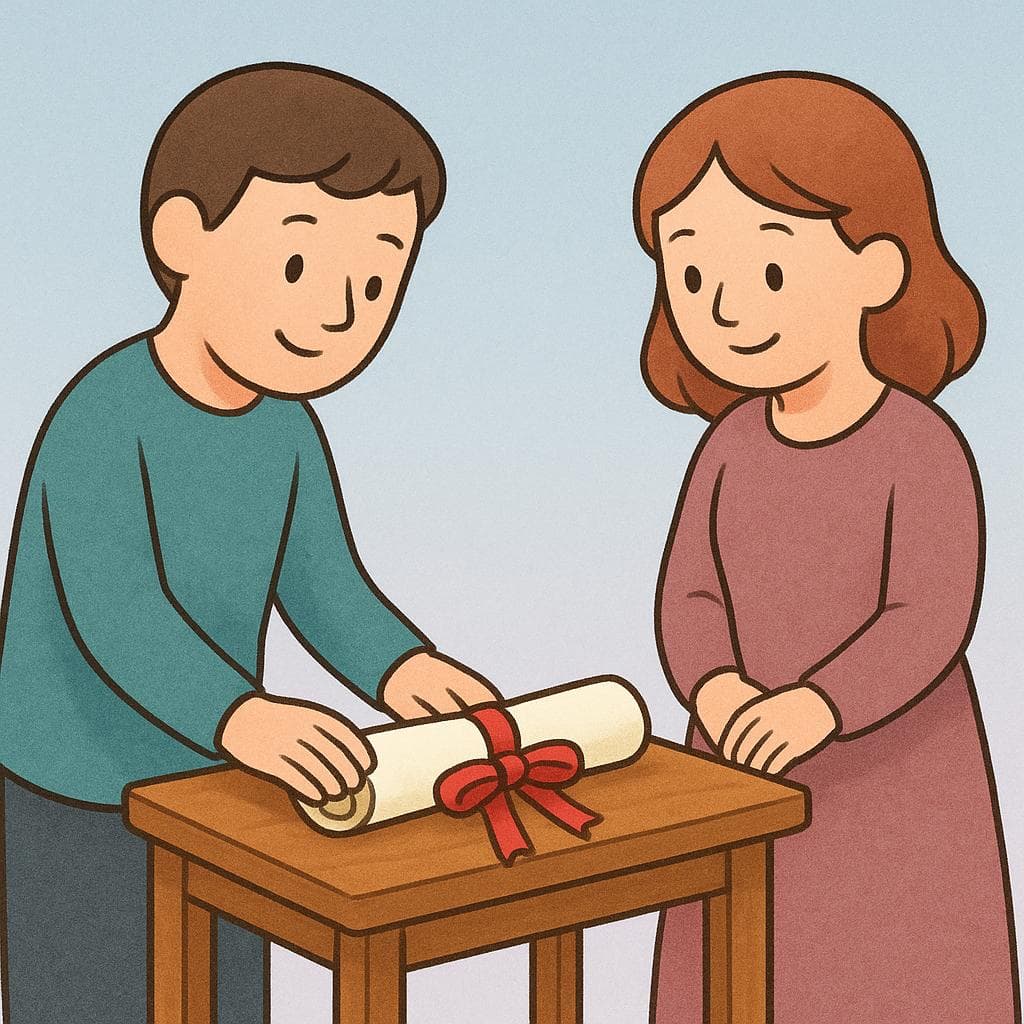
satisfied, contentAlso: pleased

📝 In Action
Estoy muy satisfecho con el resultado de mi examen.
B1I am very satisfied with the result of my exam.
Después de la cena, el niño se sintió completamente satisfecho.
B2After dinner, the boy felt completely full (and satisfied).
Si estás satisfecho con el servicio, puedes dejar una propina.
A2If you are pleased with the service, you can leave a tip.
Word Connections
fulfilled, metAlso: paid

📝 In Action
El requisito de la visa fue satisfecho por el solicitante.
C1The visa requirement was fulfilled by the applicant.
Una vez que el pago esté satisfecho, se enviará la mercancía.
C2Once the payment is met (paid), the merchandise will be sent.
Word Connections
Translate to Spanish
✏️ Quick Practice
Quick Quiz: satisfecho
Question 1 of 2
Which sentence correctly uses the adjective 'satisfecho'?
📚 More Resources
👥 Word Family
🎵 Rhymes
📚 Etymology
Comes from the Latin verb *satisfacere*, meaning 'to do enough' or 'to perform adequately.' The Spanish word is the irregular past participle of the modern verb 'satisfacer'.
First recorded: 13th century
Cognates (Related words)
💡 Master Spanish
Take your Spanish to the next level. Read 200+ illustrated and narrated Spanish stories tailored to your level with the Inklingo app!
Frequently Asked Questions
Why does 'satisfecho' end in -echo?
'Satisfecho' is the past participle of 'satisfacer,' a verb that is built upon the root of 'hacer' (to do/make). Since 'hacer' has the irregular past participle 'hecho,' 'satisfacer' follows the same pattern, resulting in 'satisfecho.'