seca
“seca” means “dry” in Spanish. It has 3 different meanings depending on context:
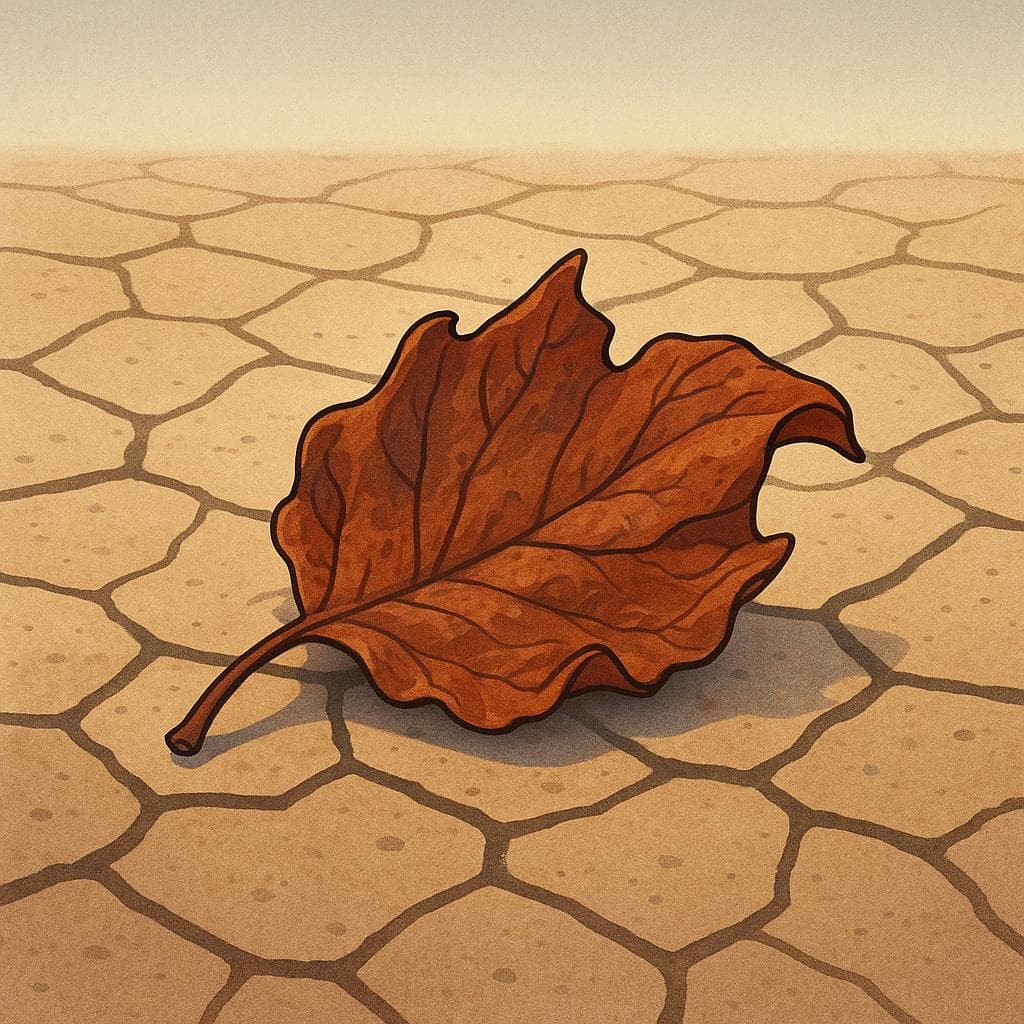
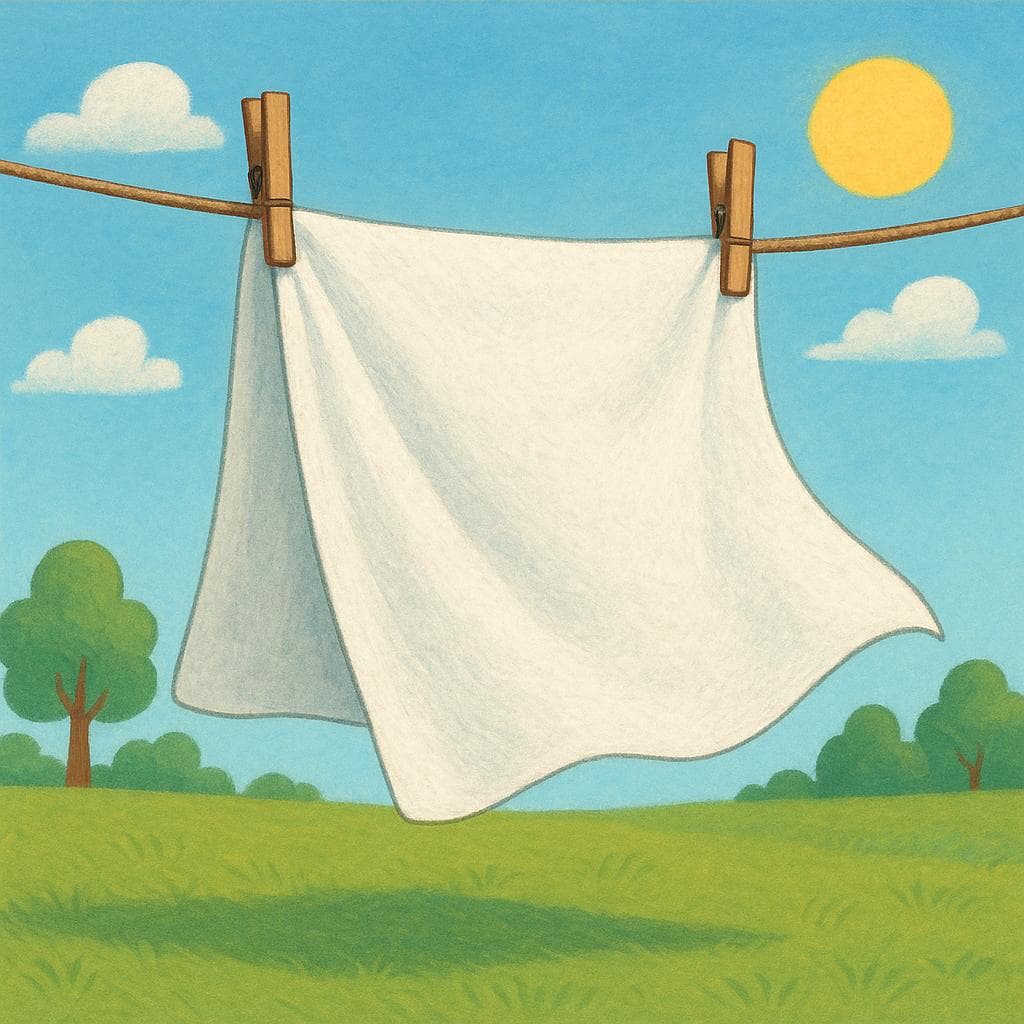

dry, thinAlso: arid, blunt
📝 In Action
La ropa ya está completamente seca. Podemos guardarla.
A1The clothes are already completely dry. We can put them away.
Ella es muy seca con sus respuestas, no le gusta hablar mucho.
B1She is very blunt (or sharp) with her answers; she doesn't like to talk much.
Necesitas regar la planta; la tierra está muy seca.
A2You need to water the plant; the soil is very dry.
Word Connections
she/he/it dries, dry (command)Also: you (formal) dry

📝 In Action
¡Seca la mesa antes de que se manche!
A2Dry the table before it stains!
Mi secadora de pelo seca el cabello muy rápido.
A2My hairdryer dries hair very quickly.
Ella siempre seca los platos inmediatamente después de lavarlos.
A2She always dries the dishes immediately after washing them.
Word Connections
drought, dry seasonAlso: sharp hit/stroke

📝 In Action
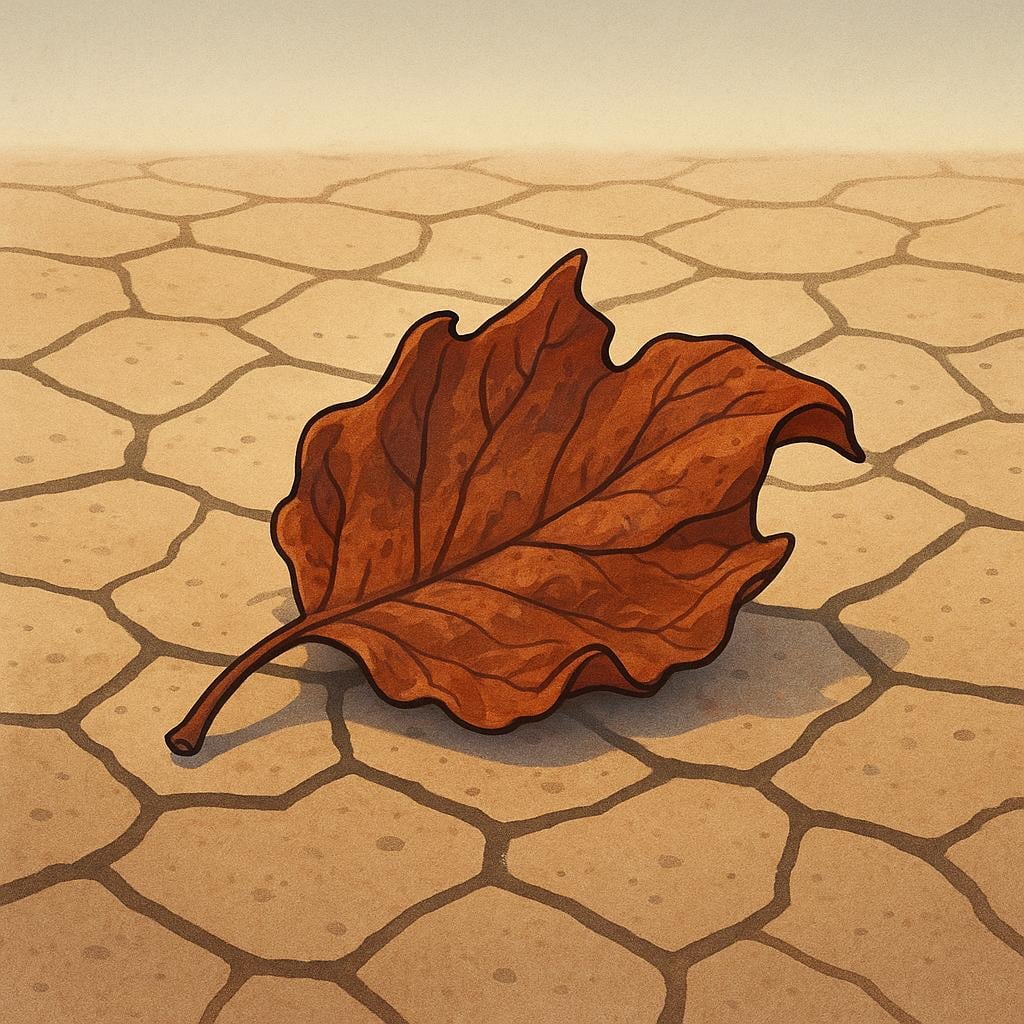
La cosecha se perdió por la gran seca de este verano.
B1The harvest was lost due to the great drought this summer.
Estamos esperando las lluvias para que termine la seca.
B1We are waiting for the rains for the dry spell to end.
Word Connections
Indicative
Present
Imperfect
Preterite
Subjunctive
Present Subjunctive
Imperfect Subjunctive
Translate to Spanish
Words that translate to "seca" in Spanish:
✏️ Quick Practice
Quick Quiz: seca
Question 1 of 2
Which sentence uses 'seca' as a command?
📚 More Resources
👥 Word Family
🎵 Rhymes
📚 Etymology
The word 'seca' comes from the Latin word *siccus*, meaning 'dry.' It entered Spanish as the adjective 'seco/seca' and later developed into the verb 'secar' (to make dry) and the noun 'seca' (the state of being dry).
First recorded: Old Spanish (likely 10th-11th century)
Cognates (Related words)
💡 Master Spanish
Take your Spanish to the next level. Read 200+ illustrated and narrated Spanish stories tailored to your level with the Inklingo app!
Frequently Asked Questions
What is the difference between 'seca' (noun) and 'sequía'?
'Sequía' is the standard, most common noun for 'drought.' 'Seca' is also used for 'drought' or 'dry spell,' often regionally or to describe a specific season, but 'sequía' is the safest choice in formal writing.
When does 'seca' mean 'blunt' or 'cold'?
When describing a person's demeanor or response, 'seca' (or 'seco') means they are abrupt, unfriendly, or sharp in their communication, lacking warmth or politeness.