seguía
“seguía” means “was following” in Spanish. It has 2 different meanings depending on context:

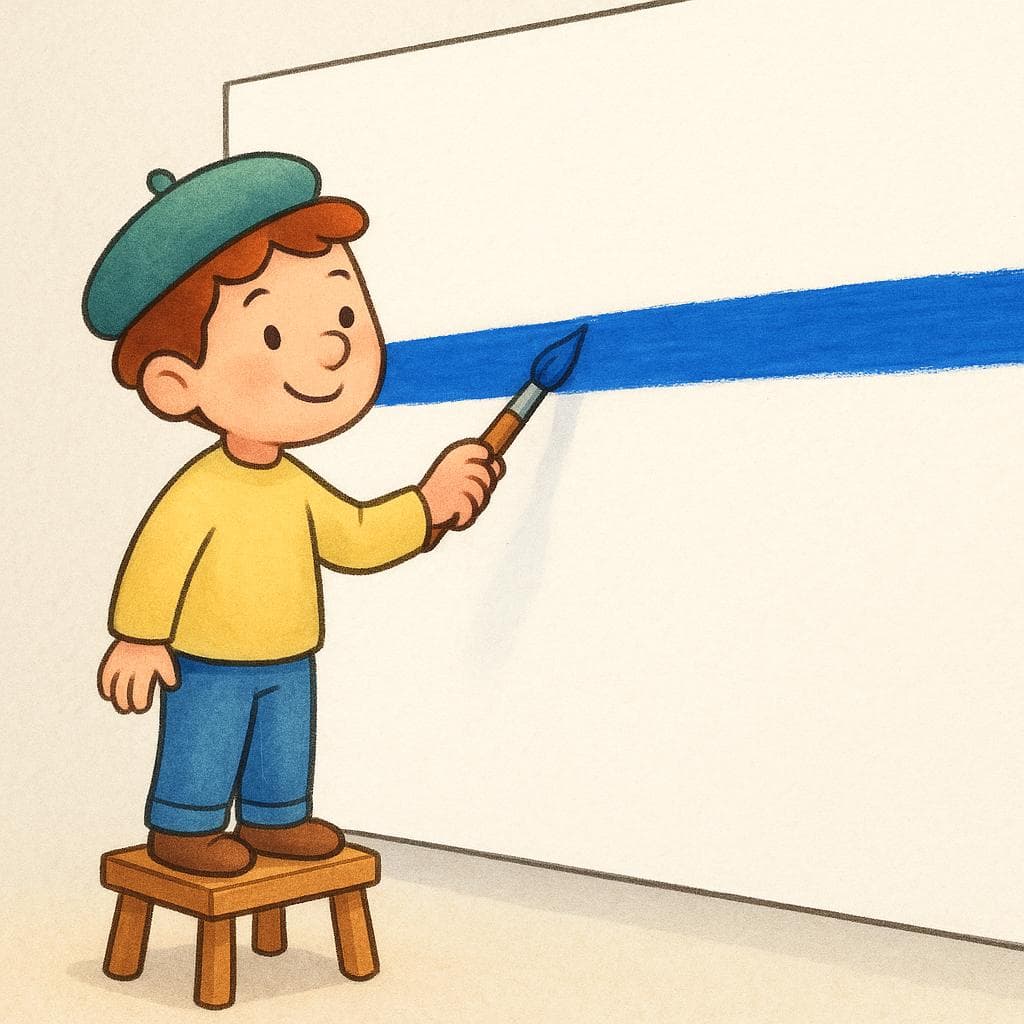
was following, used to follow
Also: was tracking
📝 In Action
El perro seguía a su dueño por toda la casa.
A1The dog was following his owner all over the house.
De niño, yo seguía las noticias deportivas en la radio.
A2As a child, I used to follow the sports news on the radio.
¿Quién seguía ese coche tan rápido?
A2Who was following that car so fast?
was continuing, kept on
Also: remained
📝 In Action
Aunque estaba cansada, ella seguía estudiando hasta tarde.
B1Even though she was tired, she kept studying late.
Él seguía siendo un misterio para todos nosotros.
B2He continued to be a mystery to all of us.
La lluvia no paraba; seguía cayendo sin descanso.
B1The rain didn't stop; it kept falling relentlessly.
🔄 Conjugations
indicative
present
imperfect
preterite
subjunctive
present
imperfect
Translate to Spanish
✏️ Quick Practice
Quick Quiz: seguía
Question 1 of 2
Which English phrase best captures the meaning of 'Ella seguía las instrucciones detalladas'?
📚 More Resources
👥 Word Family▼
🎵 Rhymes▼
📚 Etymology▼
The verb 'seguir' comes from the Vulgar Latin *sequīre, which is a variation of the classical Latin verb *sequi*, meaning 'to follow.' The 'e' to 'i' stem change seen in some forms (like *sigo*) is a common pattern in Spanish verb evolution.
First recorded: c. 11th century
Cognates (Related words)
💡 Master Spanish
Take your Spanish to the next level. Read 200+ illustrated and narrated Spanish stories tailored to your level with the Inklingo app!
Frequently Asked Questions
Is 'seguía' used for 'I followed' or 'He followed'?
'Seguía' can mean either 'I was following' (Yo seguía) or 'He/She/You (formal) was following' (Él/Ella/Usted seguía). You usually know which one by the context or the subject you use.
How do I say 'He followed me' (just once, completed)?
For a single, completed action in the past, you must use the preterite tense: 'Él me siguió'.