solías
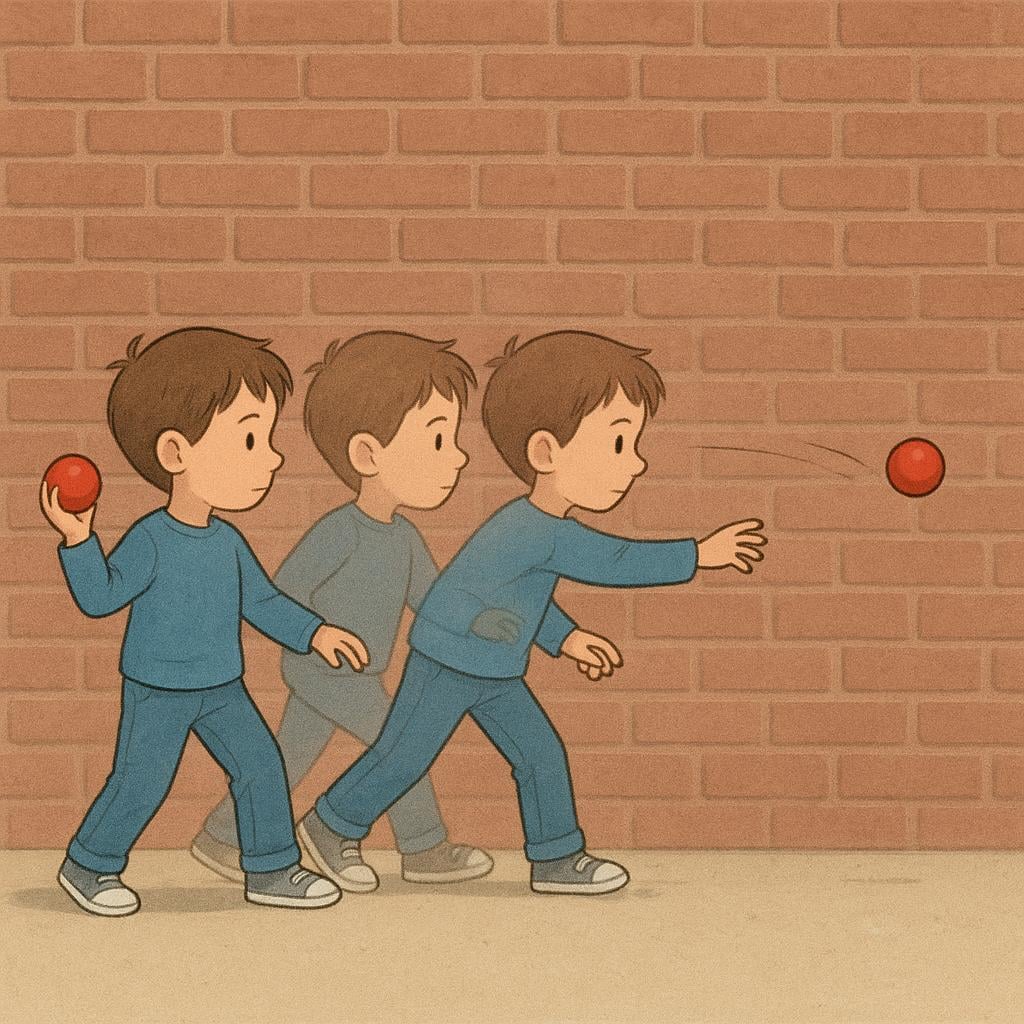
“solías” means “you used to” in Spanish (Expressing a past habit (informal singular)).
you used toAlso: you would always
📝 In Action
¿Qué solías hacer después del colegio?
A2What did you use to do after school?
Cuando eras niño, solías jugar con ese tren de juguete.
B1When you were a child, you used to play with that toy train.
Solías venir a vernos más a menudo.
B1You used to come see us more often.
Word Connections
Indicative
Preterite
Present
Imperfect
Subjunctive
Present Subjunctive
Imperfect Subjunctive
✏️ Quick Practice
Quick Quiz: solías
Question 1 of 2
Which sentence correctly uses 'solías' to describe a past habit?
📚 More Resources
🎵 Rhymes
📚 Etymology
Comes from the Latin verb *solēre*, which meant 'to be accustomed to' or 'to be in the habit of.' Its meaning has remained very consistent for centuries.
First recorded: Vulgar Latin period
Cognates (Related words)
💡 Master Spanish
Take your Spanish to the next level. Read 200+ illustrated and narrated Spanish stories tailored to your level with the Inklingo app!
Frequently Asked Questions
Why is 'solías' used instead of a simple past tense like 'hiciste'?
'Solías' (using the Imperfect tense) emphasizes that the action was a routine or a state that lasted a long time in the past ('You used to'). Simple past tenses (Preterite) describe actions that happened once and were finished ('You did it').
Is *soler* used in the future tense?
Not really. While technically possible to conjugate, native speakers usually avoid using *soler* in the future or conditional tenses because it sounds awkward. They would instead say 'normally you will...' or 'usually you would...' using *normalmente* or *habitualmente*.