sonó
“sonó” means “rang” in Spanish. It has 2 different meanings depending on context:

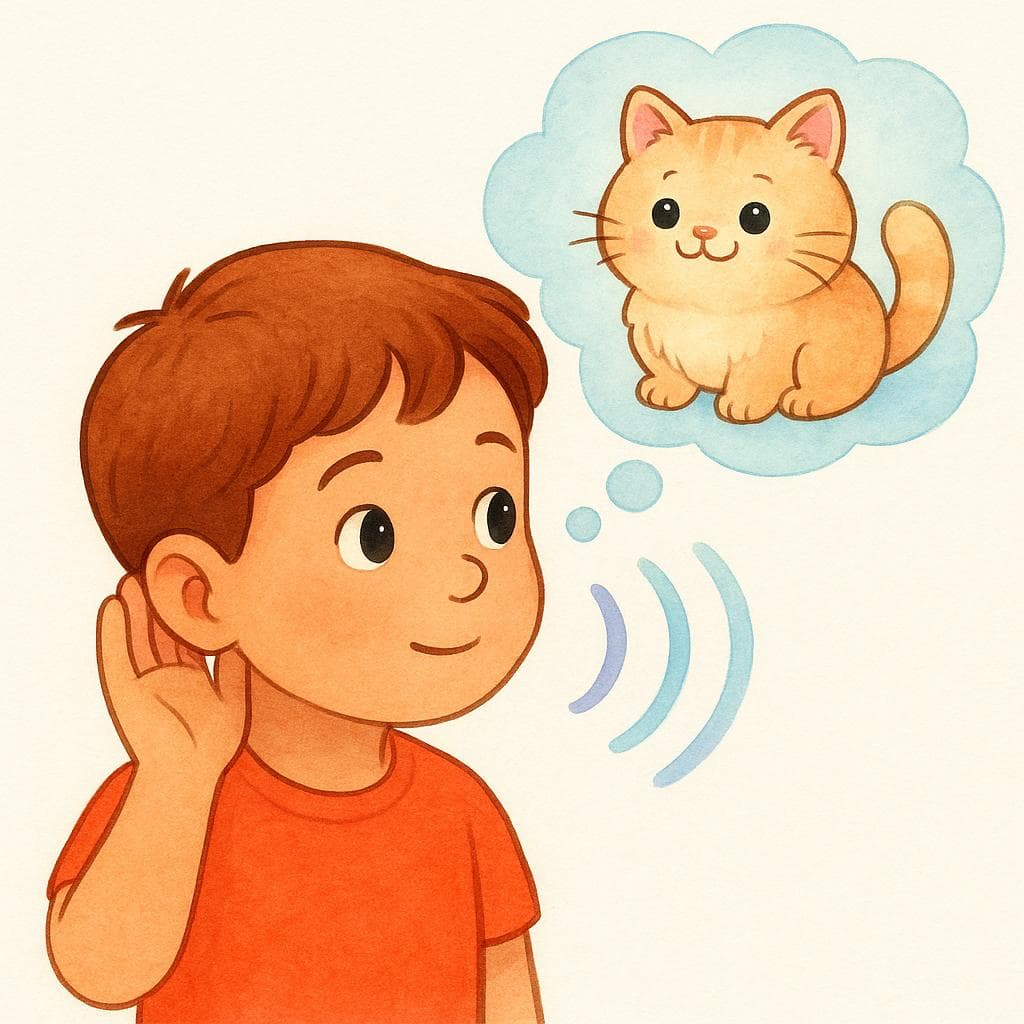
rang, sounded
Also: went off, chime
📝 In Action
El teléfono sonó justo cuando salía de casa.
A1The phone rang just as I was leaving the house.
La alarma sonó a las siete en punto.
A2The alarm went off exactly at seven o'clock.
¿Escuchaste eso? Sonó como un trueno muy cerca.
A2Did you hear that? It sounded like thunder very close by.
sounded (like), seemed
Also: felt (like)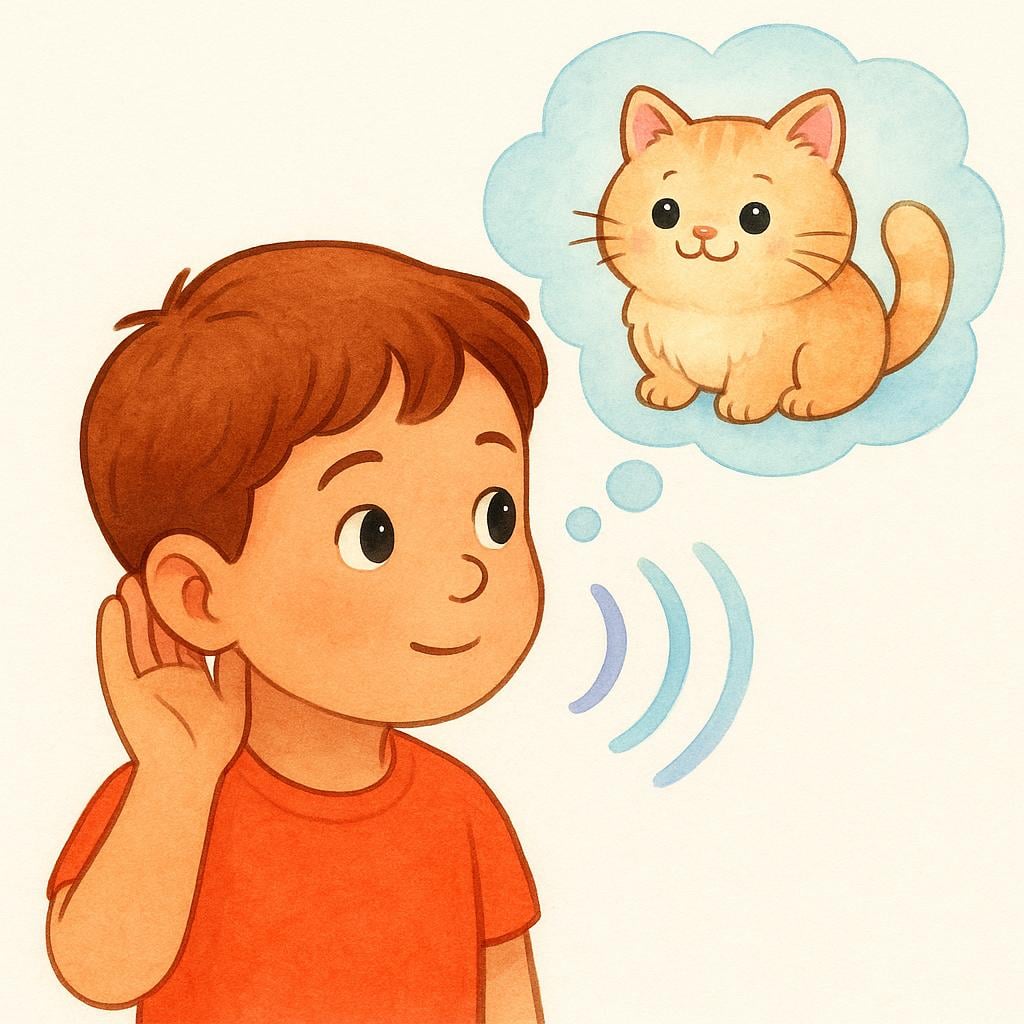
📝 In Action
Su propuesta sonó muy interesante, pero no dio detalles.
B1His proposal sounded very interesting, but he didn't give details.
Ese nombre no me sonó. ¿Quién es?
B2That name didn't sound familiar to me. Who is it?
La excusa que dio sonó a mentira.
C1The excuse he gave sounded like a lie.
Indicative
Present
Preterite
Imperfect
Subjunctive
Present Subjunctive
Imperfect Subjunctive
✏️ Quick Practice
Quick Quiz: sonó
Question 1 of 1
Which sentence correctly uses 'sonó' to describe a single, completed action?
📚 More Resources
👥 Word Family▼
📚 Etymology▼
The word comes directly from the Latin verb *sonare*, which meant 'to make a sound' or 'to resound.' It has remained very consistent in meaning throughout Spanish history.
First recorded: 10th century
Cognates (Related words)
💡 Master Spanish
Take your Spanish to the next level. Read 200+ illustrated and narrated Spanish stories tailored to your level with the Inklingo app!
Frequently Asked Questions
What is the difference between 'sonó' and 'sonaba'?
'Sonó' is the simple past (Preterite) and means the action happened once and finished: 'The phone rang.' 'Sonaba' is the descriptive past (Imperfect) and means the action was continuous or habitual: 'The phone was ringing' or 'The phone used to ring.'
How do I use 'sonar' when talking about blowing one's nose?
You need to use the reflexive form: 'sonarse la nariz.' For example: 'Él se sonó la nariz' (He blew his nose).