srta
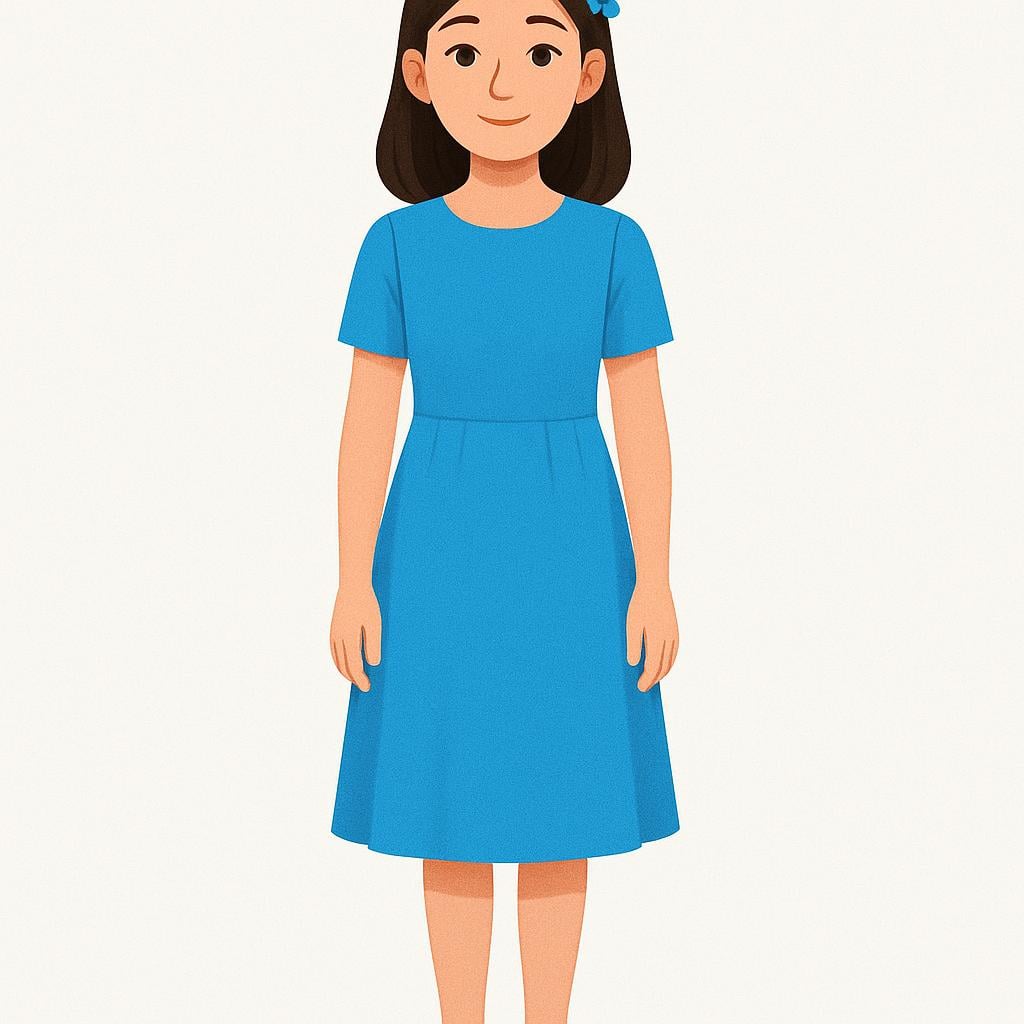
“srta” means “Miss” in Spanish (Title used before a name (traditionally for unmarried women)).
Miss, Ms.
📝 In Action
La Srta. García tiene una cita a las tres.
A1Miss García has an appointment at three o'clock.
Estimada Srta. López, su paquete ha llegado.
A2Dear Ms. López, your package has arrived.
Necesito hablar con la Srta. Elena del departamento de ventas.
B1I need to speak with Miss Elena from the sales department.
Word Connections
✏️ Quick Practice
Quick Quiz: srta
Question 1 of 2
In which context is the abbreviation 'Srta.' most commonly used?
📚 More Resources
👥 Word Family
📚 Etymology
This is an abbreviation of the word 'señorita.' 'Señorita' is a diminutive form of 'señora' (Mrs./Madam), meaning 'little lady.' The root word 'señora' comes from the Latin word *senior*, meaning 'older' or 'elder,' reflecting respect for the person being addressed.
First recorded: 19th century (as a standardized abbreviation)
Cognates (Related words)
💡 Master Spanish
Take your Spanish to the next level. Read 200+ illustrated and narrated Spanish stories tailored to your level with the Inklingo app!
Frequently Asked Questions
Should I use 'Srta.' or 'Sra.' if I don't know the woman's marital status?
In modern Spanish, especially in professional or formal settings, it is often safest and most respectful to use 'Sra.' (Señora), which functions similarly to the English 'Ms.' or 'Madam,' regardless of marital status. 'Srta.' is usually reserved for very young women or when marital status is known as unmarried.
Do I need to include the period after 'Srta'?
Yes, according to strict Spanish grammar rules for abbreviations, you should write 'Srta.' However, in casual digital communication (like texts or informal emails), the period is often dropped.