sudor
“sudor” means “sweat” in Spanish. It has 2 different meanings depending on context:

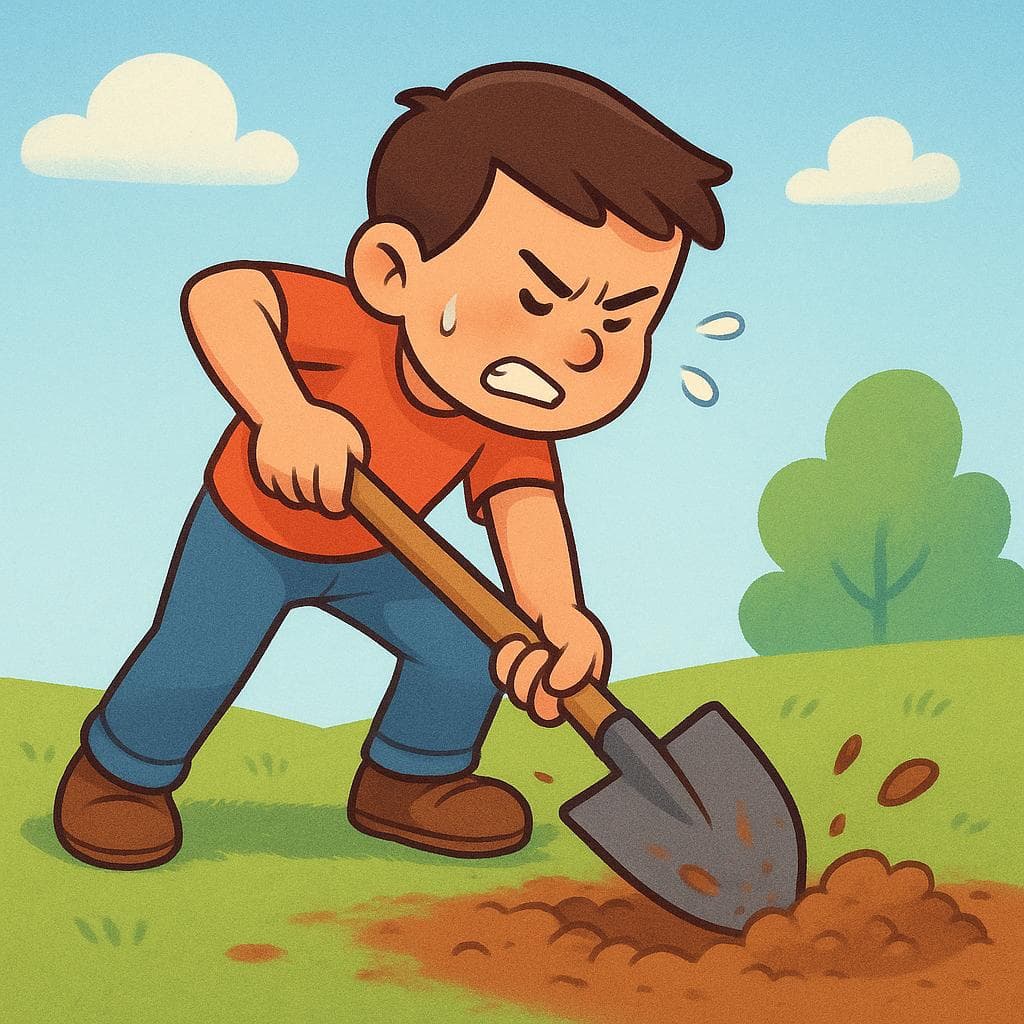
sweatAlso: perspiration

📝 In Action
Después de correr, tenía la camisa empapada en sudor.
A1After running, my shirt was soaked in sweat.
El calor era tanto que el sudor me corría por la frente.
A2The heat was so intense that sweat was running down my forehead.
Necesitas beber agua para reponer el sudor que perdiste.
A2You need to drink water to replace the sweat you lost.
Word Connections
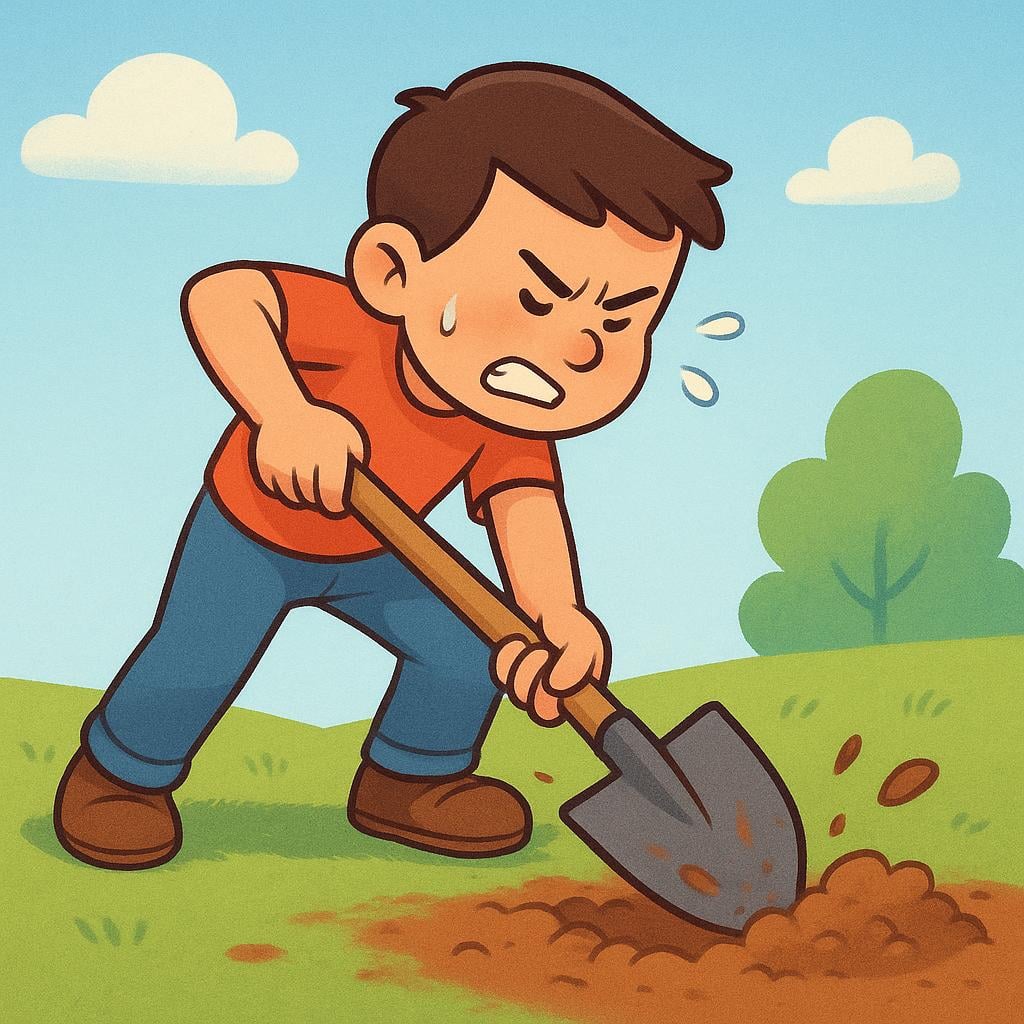
toilAlso: labor
📝 In Action
Con mucho sudor y dedicación, lograron terminar el proyecto a tiempo.
B1With much toil and dedication, they managed to finish the project on time.
La construcción de ese edificio costó mucho sudor a los obreros.
B2The construction of that building cost the workers a lot of hard work.
Word Connections
Translate to Spanish
Words that translate to "sudor" in Spanish:
✏️ Quick Practice
Quick Quiz: sudor
Question 1 of 1
Which sentence uses 'sudor' in its figurative meaning (hard work)?
📚 More Resources
👥 Word Family
📚 Etymology
The word comes directly from the Latin word *sudor*, meaning 'sweat' or 'moisture.' This root is also the source of the English word 'sudorific' (something that causes sweating).
First recorded: 12th century
Cognates (Related words)
💡 Master Spanish
Take your Spanish to the next level. Read 200+ illustrated and narrated Spanish stories tailored to your level with the Inklingo app!
Frequently Asked Questions
How do I say 'I am sweating' using 'sudor'?
While the literal translation is 'Tengo sudor' (I have sweat), the most natural and common way to express this action is by using the related verb: 'Estoy sudando' (I am sweating).
Why is 'sudor' masculine when many words ending in -or are feminine?
'Sudor' is one of the exceptions to the general rule. Although words like 'flor' (flower) and 'labor' (labor) are feminine, 'sudor' followed the masculine gender of its Latin root (*sudor*), so it always uses the masculine article 'el'.