suspira
“suspira” means “he/she/it sighs” in Spanish. It has 2 different meanings depending on context:
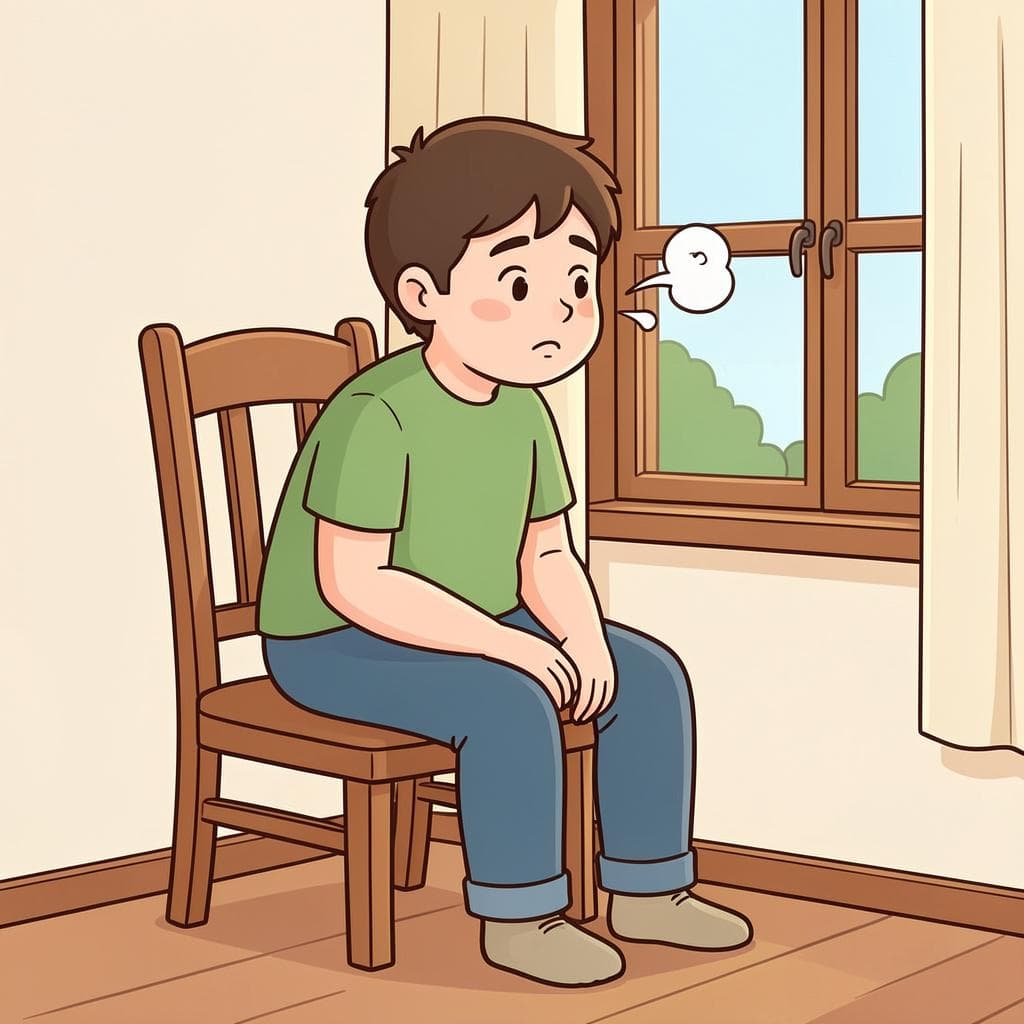

he/she/it sighs, you sigh
Also: it whistles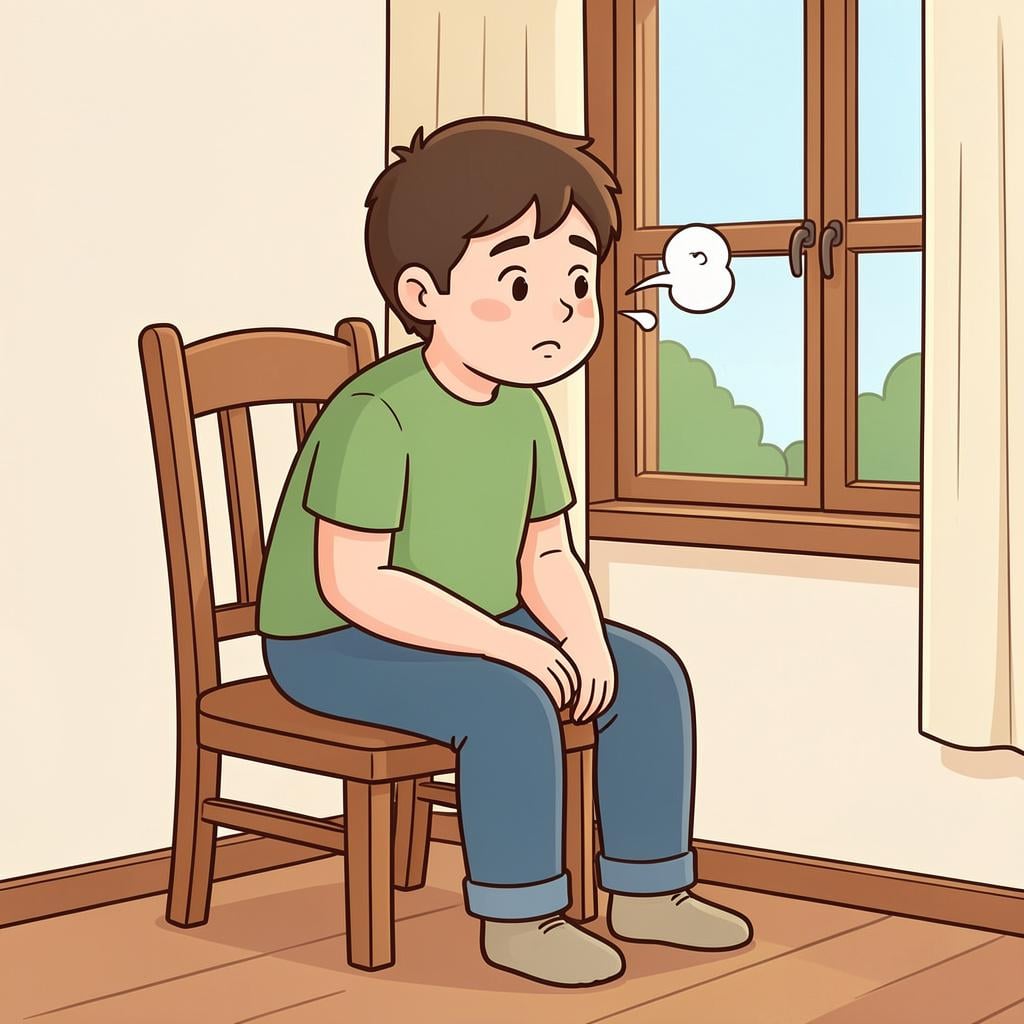
📝 In Action
Ella suspira mientras mira las fotos viejas.
A2She sighs while looking at the old photos.
El viento suspira entre los árboles.
B1The wind sighs through the trees.
he/she/it longs for, he/she/it yearns for

📝 In Action
Él suspira por volver a su tierra natal.
B1He longs to return to his homeland.
Toda la ciudad suspira por la paz.
B2The whole city yearns for peace.
Subjunctive
Imperfect Subjunctive
Present Subjunctive
Indicative
Preterite
Imperfect
Present
Translate to Spanish
✏️ Quick Practice
Quick Quiz: suspira
Question 1 of 2
What does 'Él suspira por ella' mean?
📚 More Resources
👥 Word Family▼
📚 Etymology▼
From the Latin 'suspirare', which combines 'sub' (from below) and 'spirare' (to breathe). It literally describes a breath coming from deep within the chest.
First recorded: 13th century
Cognates (Related words)
💡 Master Spanish
Take your Spanish to the next level. Read 200+ illustrated and narrated Spanish stories tailored to your level with the Inklingo app!
Frequently Asked Questions
Is 'suspira' a noun or a verb?
It is a verb form. The noun (a sigh) is 'suspiro'.
Can I use 'suspira' for animals?
Yes! You can use it anytime any living thing (or even the wind) lets out a long, audible breath.