talentos
“talentos” means “talents” in Spanish. It has 2 different meanings depending on context:
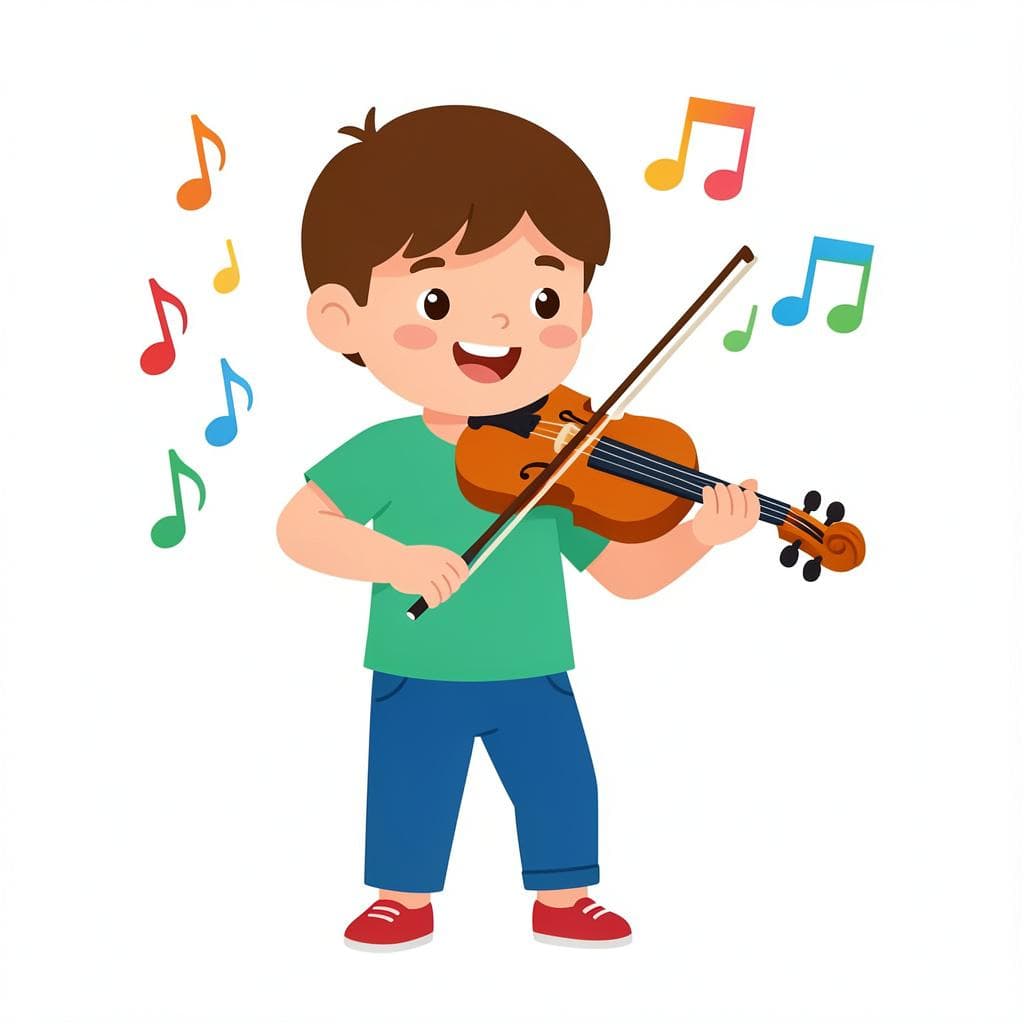

talentsAlso: abilities
📝 In Action
Ella tiene muchos talentos, como cantar y pintar.
A1She has many talents, like singing and painting.
Estamos buscando personas con diferentes talentos para el equipo.
A2We are looking for people with different talents for the team.
Word Connections
talents

📝 In Action
La parábola de los diez talentos es muy conocida.
B2The parable of the ten talents is very well known.
Word Connections
Translate to Spanish
Words that translate to "talentos" in Spanish:
✏️ Quick Practice
Quick Quiz: talentos
Question 1 of 1
Which word is a synonym for 'talentos' when referring to someone's natural gifts?
📚 More Resources
👥 Word Family
📚 Etymology
From the Latin 'talentum', which referred to a large sum of money or a weight. Its meaning changed over time because of a famous Bible story where 'talents' of money represented the gifts God gives to people.
First recorded: 13th century
Cognates (Related words)
💡 Master Spanish
Take your Spanish to the next level. Read 200+ illustrated and narrated Spanish stories tailored to your level with the Inklingo app!
Frequently Asked Questions
Is 'talentos' only for people?
Usually, yes. It describes the natural abilities of humans, though sometimes it's used metaphorically for animals or even AI in very modern contexts.
How do you say someone is 'talented'?
You can use the adjective 'talentoso' (for a man) or 'talentosa' (for a woman).