teléfonos
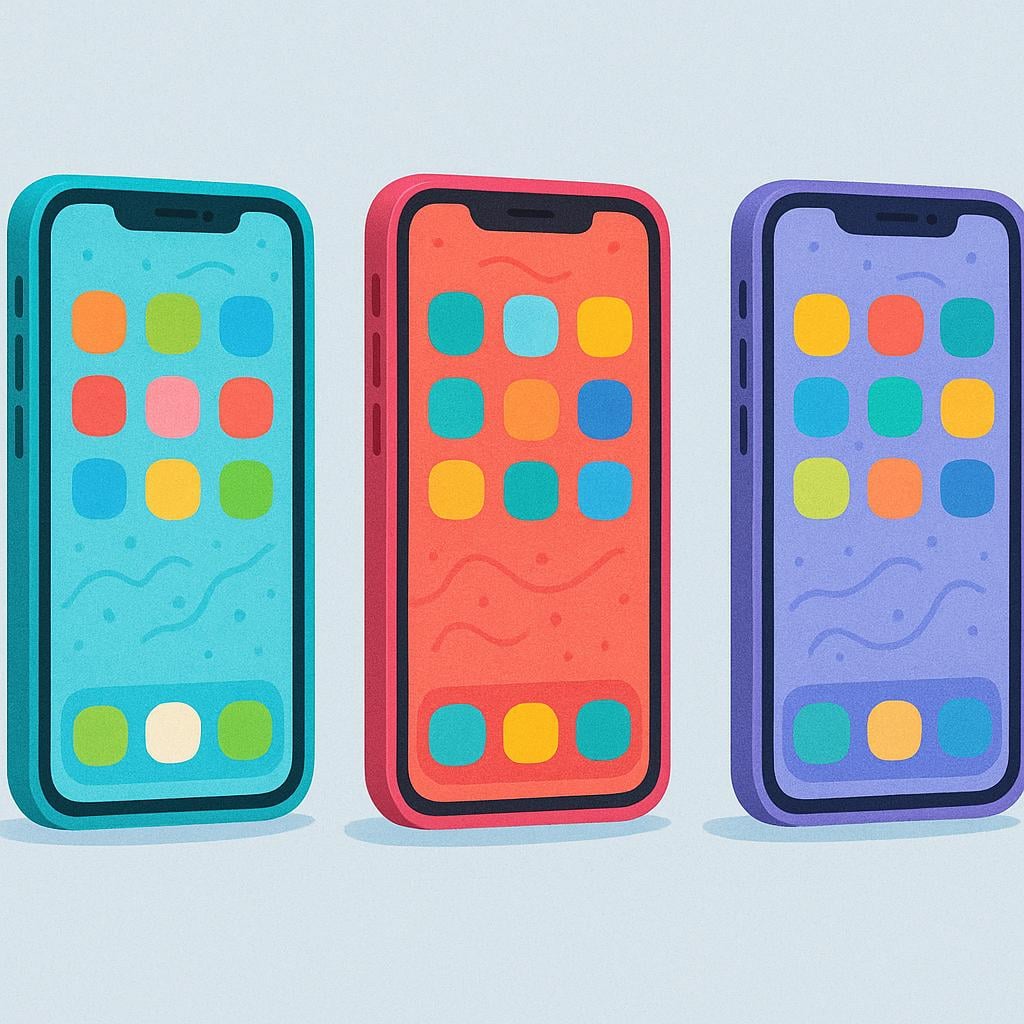
“teléfonos” means “phones” in Spanish (plural of the device).
phones, telephonesAlso: cell phones, mobile phones
📝 In Action
Todos los estudiantes deben apagar sus teléfonos durante la clase.
A1All the students must turn off their phones during class.
¿Cuántos teléfonos hay en tu casa? ¿Dos o tres?
A1How many telephones are there in your house? Two or three?
La tienda vende teléfonos de diferentes marcas y colores.
A2The store sells phones of different brands and colors.
Necesitamos cargar los teléfonos antes del viaje largo.
A1We need to charge the phones before the long trip.
Word Connections
Translate to Spanish
Words that translate to "teléfonos" in Spanish:
✏️ Quick Practice
Quick Quiz: teléfonos
Question 1 of 2
Which sentence correctly uses the article with 'teléfonos'?
📚 More Resources
👥 Word Family
🎵 Rhymes
📚 Etymology
This word is a combination of two ancient Greek roots: 'tele' meaning 'far' or 'distant,' and 'phōnē' meaning 'voice' or 'sound.' It literally means 'distant sound,' perfectly describing the invention.
First recorded: 19th century (after the invention of the device)
Cognates (Related words)
💡 Master Spanish
Take your Spanish to the next level. Read 200+ illustrated and narrated Spanish stories tailored to your level with the Inklingo app!
Frequently Asked Questions
Is 'teléfonos' the only way to say 'phones' in Spanish?
No. While 'teléfonos' is universally understood, when referring specifically to mobile devices, many countries prefer synonyms. In Spain, you often hear 'móviles,' and in much of Latin America, you hear 'celulares'.
Is 'teléfonos' masculine or feminine?
It is a masculine plural noun. You must use masculine words with it, like 'los teléfonos' (the phones) or 'muchos teléfonos' (many phones).