Inklingo

tenían

/te-NEE-an/

they had

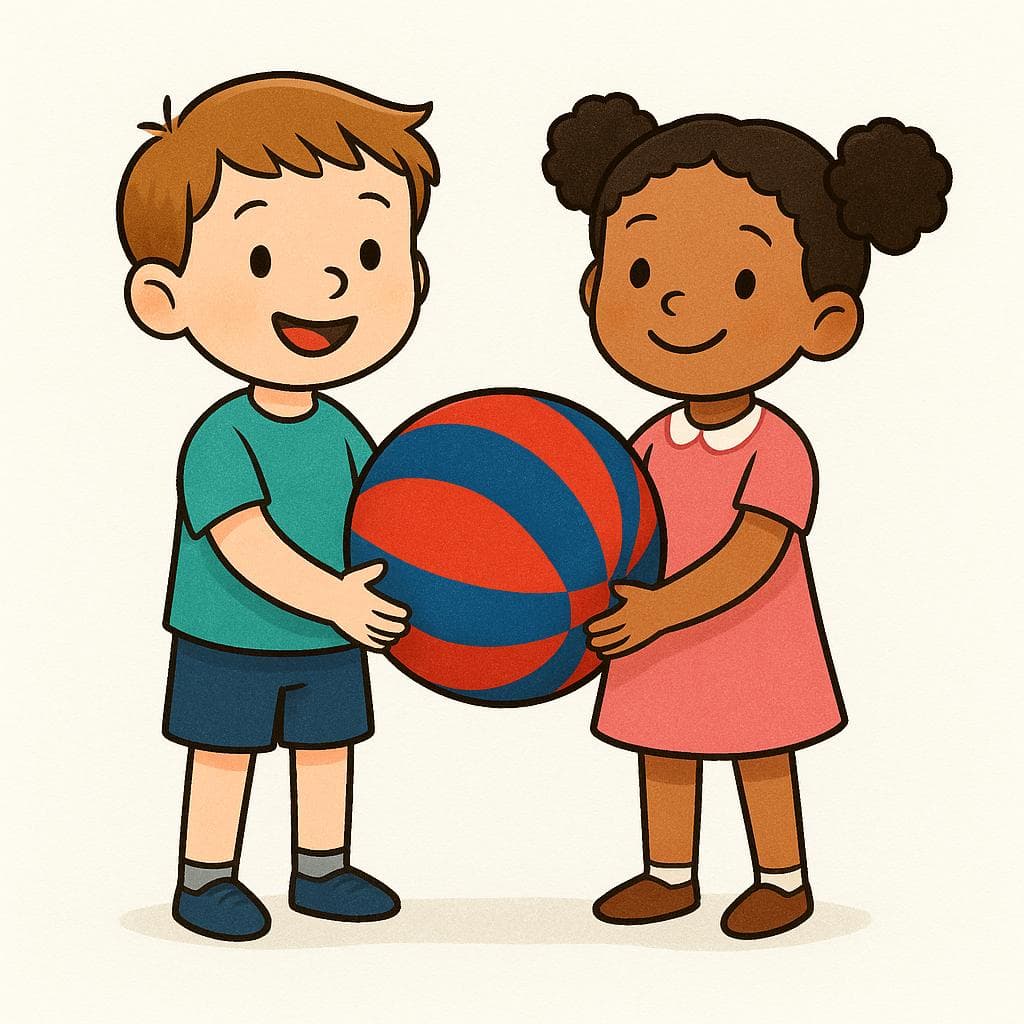
Two smiling children standing together, each holding onto a large, brightly colored toy ball, symbolizing shared ownership.

Illustrating possession or ownership: They had a toy.

tenían(Verb)

A1irregular er

they had

?

possession or ownership

Also:

you all had

?

possession (used for a group you're speaking to formally, or in Latin America)

📝 In Action

Mis abuelos tenían una casa en la playa.

A1

My grandparents had a house on the beach.

Antes, los teléfonos no tenían cámaras.

A2

Before, phones didn't have cameras.

Ustedes tenían muchos amigos en la escuela.

A2

You all had many friends at school.

Word Connections

Synonyms

  • poseían (they possessed)

Antonyms

  • carecían de (they lacked)

Common Collocations

  • tenían un problemathey had a problem
  • tenían una ideathey had an idea

💡 Grammar Points

Describing the Past with the Imperfect Tense

'Tenían' is a form of the verb 'tener' used to talk about the past. It describes things that were ongoing, habitual, or just the way things were, without a specific start or end. Think of it as setting the scene or describing the background of a story.

❌ Common Pitfalls

Using 'tenían' vs. 'tuvieron'

Mistake: "'Tenían un bebé el año pasado.' (when you mean it happened and was completed)"

Correction: 'Tuvieron un bebé el año pasado.' (They had a baby last year). Use 'tuvieron' for a specific, completed event. Use 'tenían' to describe an ongoing state, like 'Cuando eran jóvenes, tenían mucho tiempo libre.' (When they were young, they had a lot of free time).

⭐ Usage Tips

Setting the Scene

Use 'tenían' to paint a picture of the past. It's perfect for the first sentence of a story: 'Eran los años 80. La gente tenía peinados extraños y la música era increíble.' (It was the 80s. People had strange hairstyles and the music was incredible.)

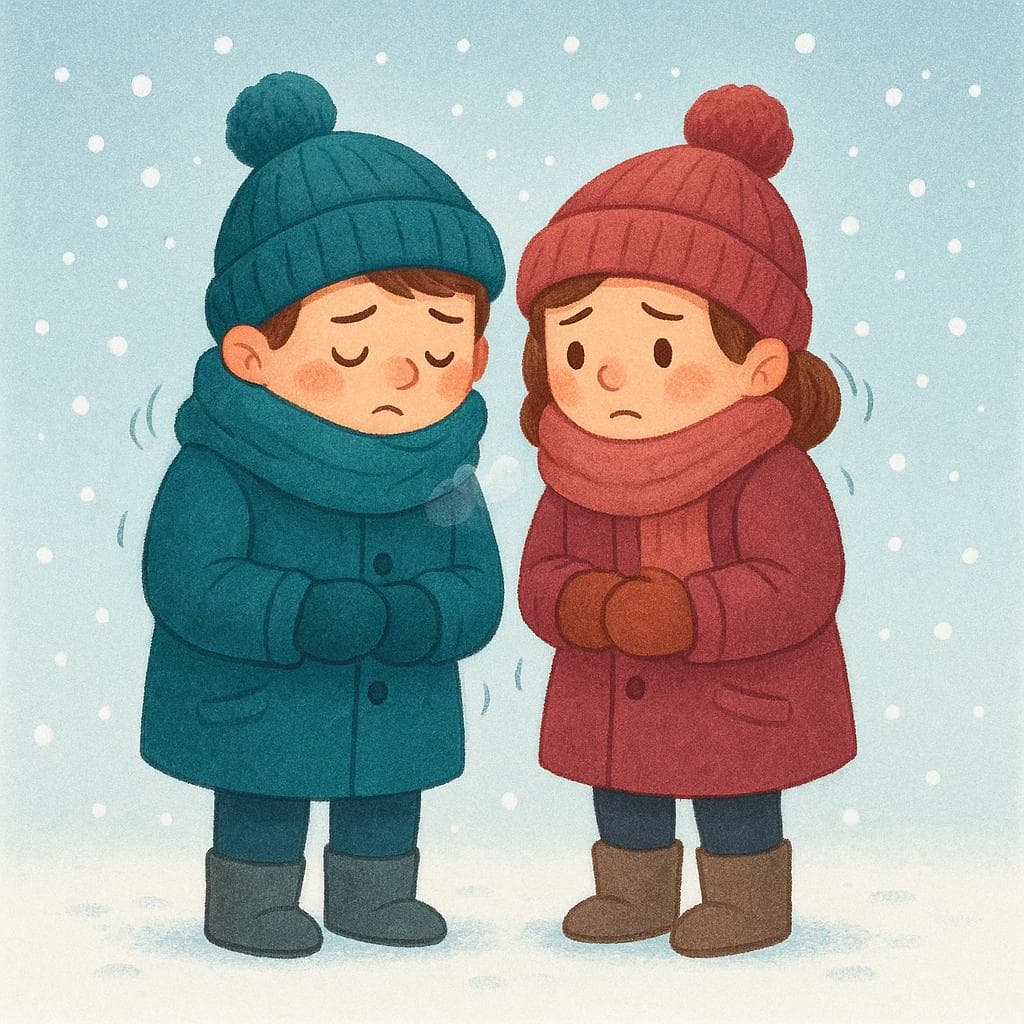
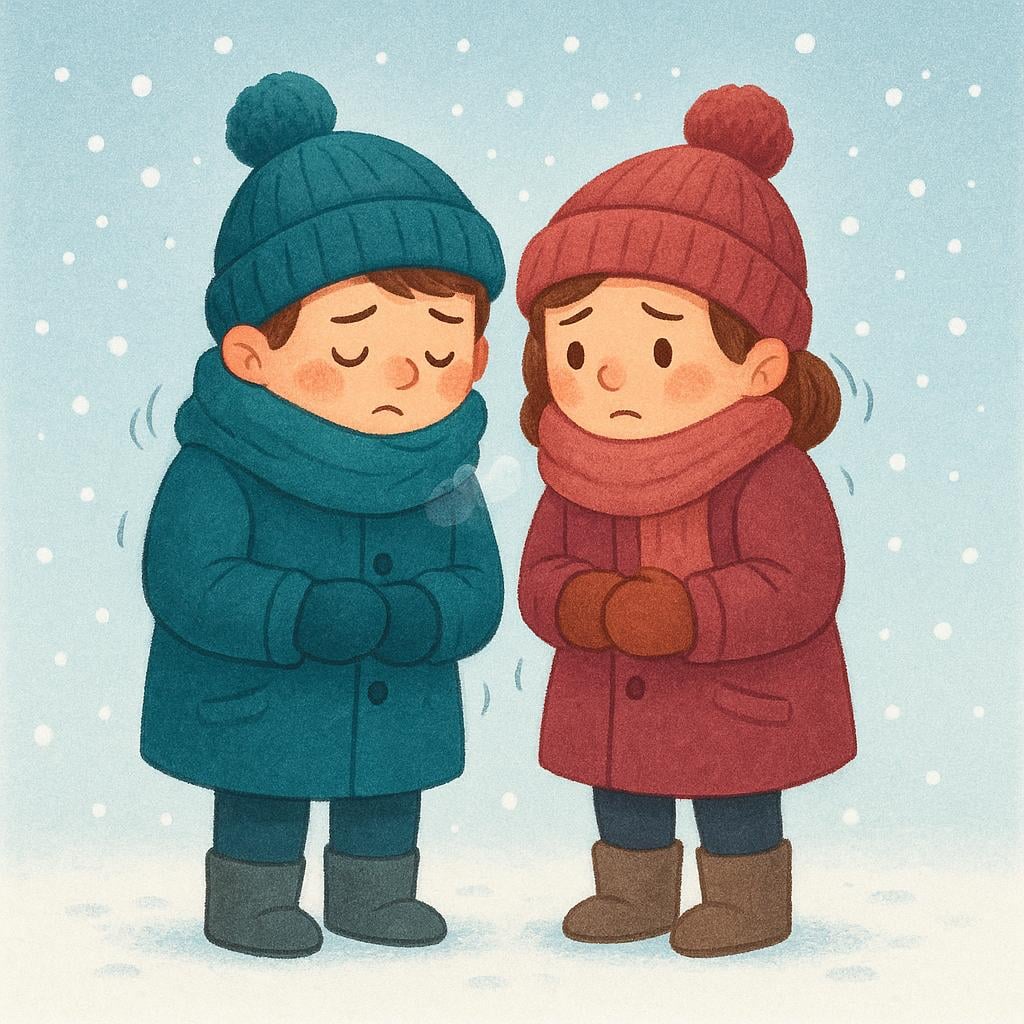
Two figures wearing thick coats and hats, huddled together and looking visibly cold in a snowy landscape, representing a physical state.

Illustrating a physical state or feeling: They were cold.

tenían(Verb)

A1irregular er

they were

?

in expressions for age, feelings, or physical states

Also:

they felt

?

emotions like fear or confidence

📝 In Action

Los niños tenían sueño y querían ir a la cama.

A1

The children were sleepy and wanted to go to bed.

Tenían 25 años cuando se casaron.

A2

They were 25 years old when they got married.

Después del partido, los jugadores tenían mucha sed.

B1

After the game, the players were very thirsty.

Word Connections

Idioms & Expressions

  • tenían hambrethey were hungry
  • tenían miedothey were afraid/scared
  • tenían razónthey were right
  • tenían frío/calorthey were cold/hot

💡 Grammar Points

Using 'Tener' for States and Feelings

In English, you say 'I am hungry,' but in Spanish, you say 'Tengo hambre' (I have hunger). 'Tenían' works the same way for the past. It's used for many common feelings and states where English uses 'to be'.

❌ Common Pitfalls

Using 'Eran' or 'Estaban' Instead of 'Tenían'

Mistake: "Ellos estaban hambrientos."

Correction: Ellos tenían hambre. While 'estaban hambrientos' is technically correct, it's far more natural and common to use the 'tener + [noun]' structure for these feelings.

⭐ Usage Tips

Memorize the Phrases

The best way to master this is to learn phrases like 'tener hambre', 'tener sed', 'tener miedo', 'tener ___ años' as single vocabulary items. Then, you just change the form of 'tener' to match who you're talking about.

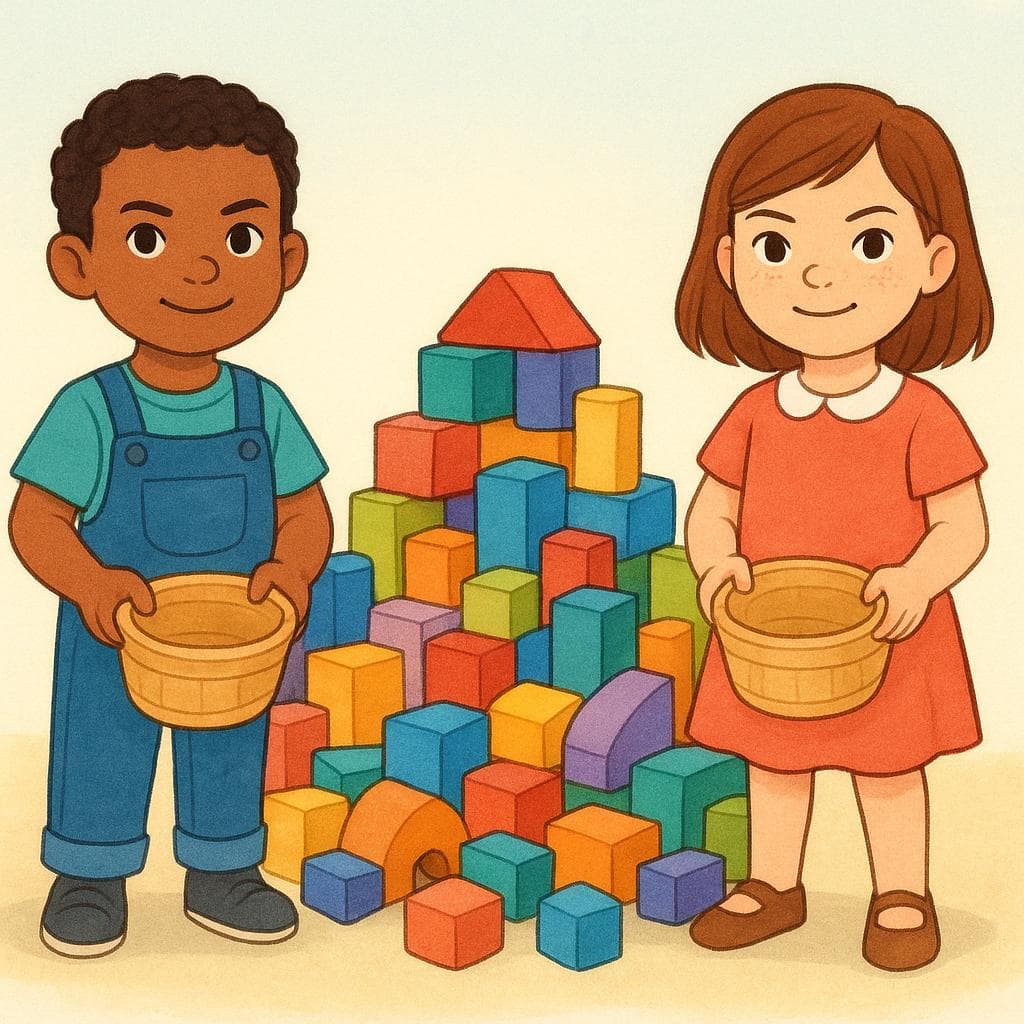
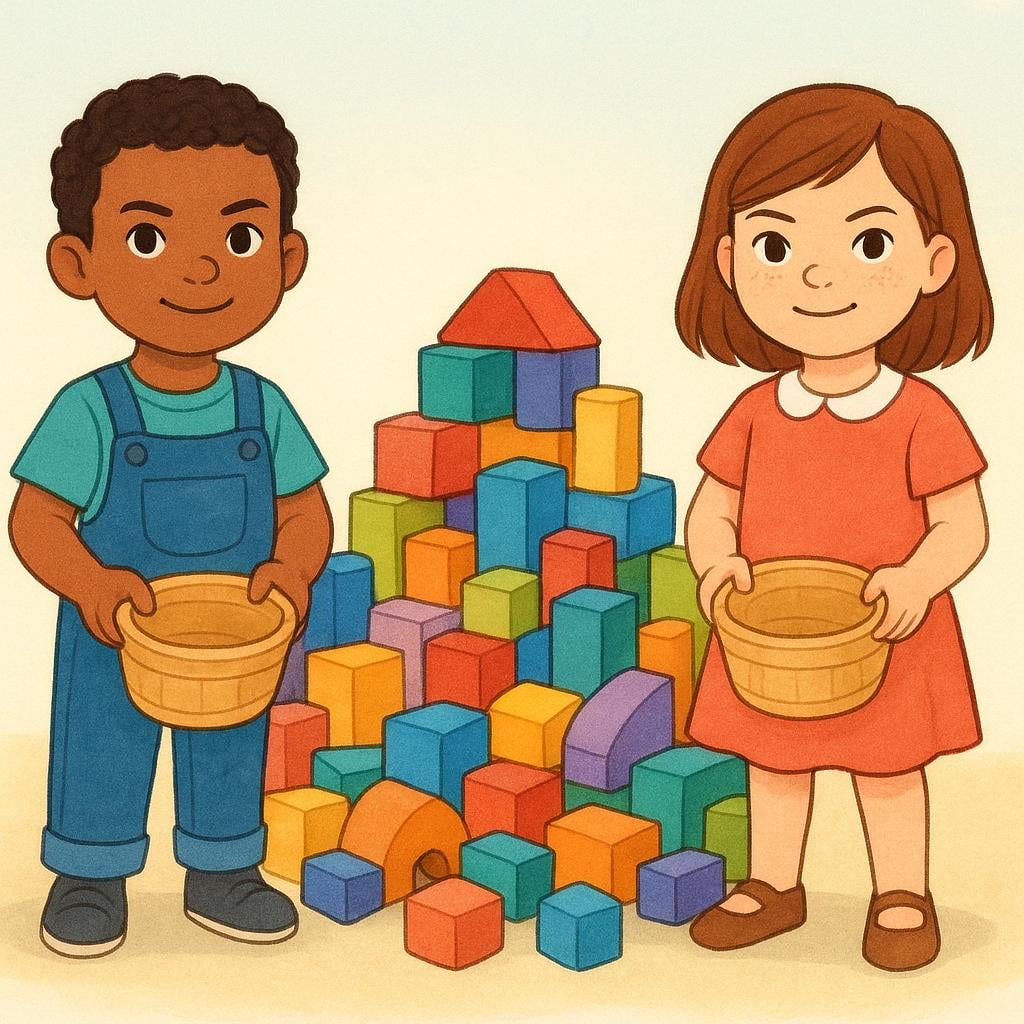
Two determined children, a boy and a girl, standing next to a large pile of colorful building blocks, each holding an empty wooden basket, ready to put the blocks away.

Illustrating necessity or obligation: They had to clean up.

tenían(Verb)

A2irregular er

they had to

?

obligation or necessity

Also:

you all had to

?

obligation (formal or Latin America)

📝 In Action

Tenían que estudiar para el examen.

A2

They had to study for the exam.

Ayer no vinieron porque tenían que trabajar.

B1

They didn't come yesterday because they had to work.

Ustedes tenían que llamar al doctor.

A2

You all had to call the doctor.

Word Connections

Synonyms

  • debían (they ought to / should)
  • necesitaban (they needed to)

Common Collocations

  • tenían que irsethey had to leave
  • tenían que hacer algothey had to do something

💡 Grammar Points

The 'Tener que + [Action]' Formula

To say someone 'had to do something' in the past, you use this simple recipe: 'tenían' + 'que' + the basic, unchanged form of the action verb (like 'comer', 'hablar', 'vivir').

❌ Common Pitfalls

Forgetting 'que'

Mistake: "Tenían estudiar mucho."

Correction: Tenían que estudiar mucho. The little word 'que' is essential in this structure. It connects the idea of 'having' to the 'action' that needs to be done.

⭐ Usage Tips

Explaining Past Actions

This is a great way to give reasons or explanations for why something happened (or didn't happen) in the past. '¿Por qué no fuiste a la fiesta?' 'Porque tenía que cuidar a mi hermano.' (Why didn't you go to the party? Because I had to take care of my brother.)

🔄 Conjugations

indicative

present

él/ella/ustedtiene
yotengo
tienes
ellos/ellas/ustedestienen
nosotrostenemos
vosotrostenéis

imperfect

él/ella/ustedtenía
yotenía
tenías
ellos/ellas/ustedestenían
nosotrosteníamos
vosotrosteníais

preterite

él/ella/ustedtuvo
yotuve
tuviste
ellos/ellas/ustedestuvieron
nosotrostuvimos
vosotrostuvisteis

subjunctive

present

él/ella/ustedtenga
yotenga
tengas
ellos/ellas/ustedestengan
nosotrostengamos
vosotrostengáis

imperfect

él/ella/ustedtuviera
yotuviera
tuvieras
ellos/ellas/ustedestuvieran
nosotrostuviéramos
vosotrostuvierais

✏️ Quick Practice

💡 Quick Quiz: tenían

Question 1 of 1

Which sentence correctly describes a past obligation?

📚 More Resources

Frequently Asked Questions

What is the difference between 'tenían' and 'tuvieron'?

Both mean 'they had,' but they are used for different situations. Use 'tenían' for ongoing states, descriptions, or repeated actions in the past (like 'They had a dog when they were kids'). Use 'tuvieron' for a specific, single, completed event (like 'They had a party last night'). 'Tenían' sets the scene, while 'tuvieron' describes a specific action in the story.

Is 'tenían' only for 'they'?

No, it's also for 'ustedes,' which means 'you all.' In Spain, 'ustedes' is formal, but in Latin America, it's the standard way to talk to any group of people, whether formally or informally.