tendríamos
“tendríamos” means “we would have” in Spanish (Hypothetical possession or action, usually depending on a condition).
we would have
Also: we should have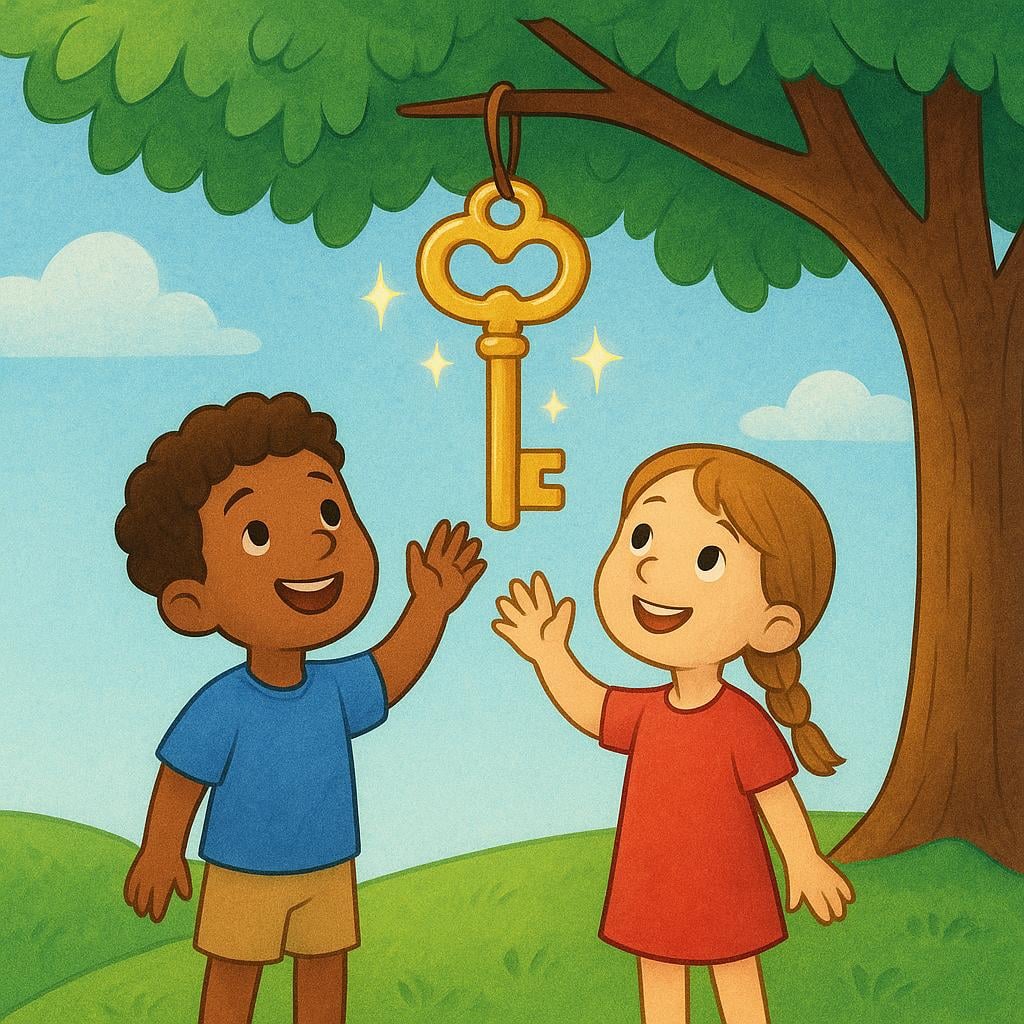
📝 In Action
Si tuviéramos un mapa, tendríamos más confianza en la ruta.
B1If we had a map, we would have more confidence in the route.
Tendríamos que empezar a ahorrar dinero para el viaje.
B2We should start saving money for the trip.
Dijeron que si íbamos, tendríamos la oportunidad de conocerlos.
B1They said that if we went, we would have the opportunity to meet them.
🔄 Conjugations
indicative
present
imperfect
preterite
subjunctive
present
imperfect
✏️ Quick Practice
Quick Quiz: tendríamos
Question 1 of 1
Choose the most appropriate context for using 'tendríamos':
📚 More Resources
👥 Word Family▼
🎵 Rhymes▼
📚 Etymology▼
The verb 'tener' comes from the Latin verb *tenere*, meaning 'to hold' or 'to keep.' The conditional form 'tendríamos' is built on the irregular future stem 'tendr-', a common pattern for verbs like 'poner' and 'salir.'
First recorded: Old Spanish (verb form derived from Latin Vulgar)
Cognates (Related words)
💡 Master Spanish
Take your Spanish to the next level. Read 200+ illustrated and narrated Spanish stories tailored to your level with the Inklingo app!
Frequently Asked Questions
How do I know when to use 'tendríamos' versus 'tuvimos'?
'Tendríamos' (we would have) is for hypothetical situations or polite suggestions. 'Tuvimos' (we had) is the past tense (preterite) and describes a completed action or possession in the past.
Why is 'tendríamos' considered irregular?
It is irregular because it does not use the full infinitive 'tener' as its base when forming the conditional tense. It uses the special, shortened stem 'tendr-' instead.