terribles
“terribles” means “awful” in Spanish. It has 2 different meanings depending on context:
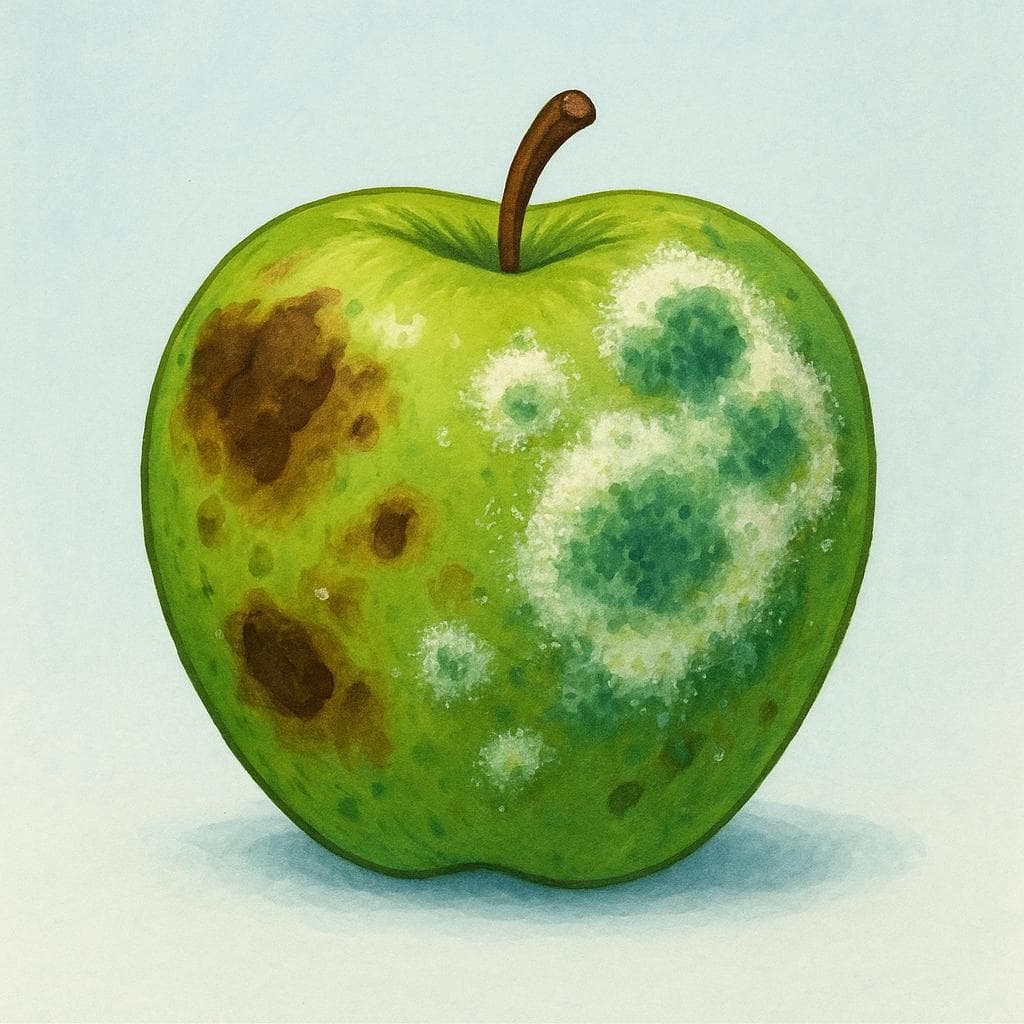

awful, horrible
Also: lousy, dreadful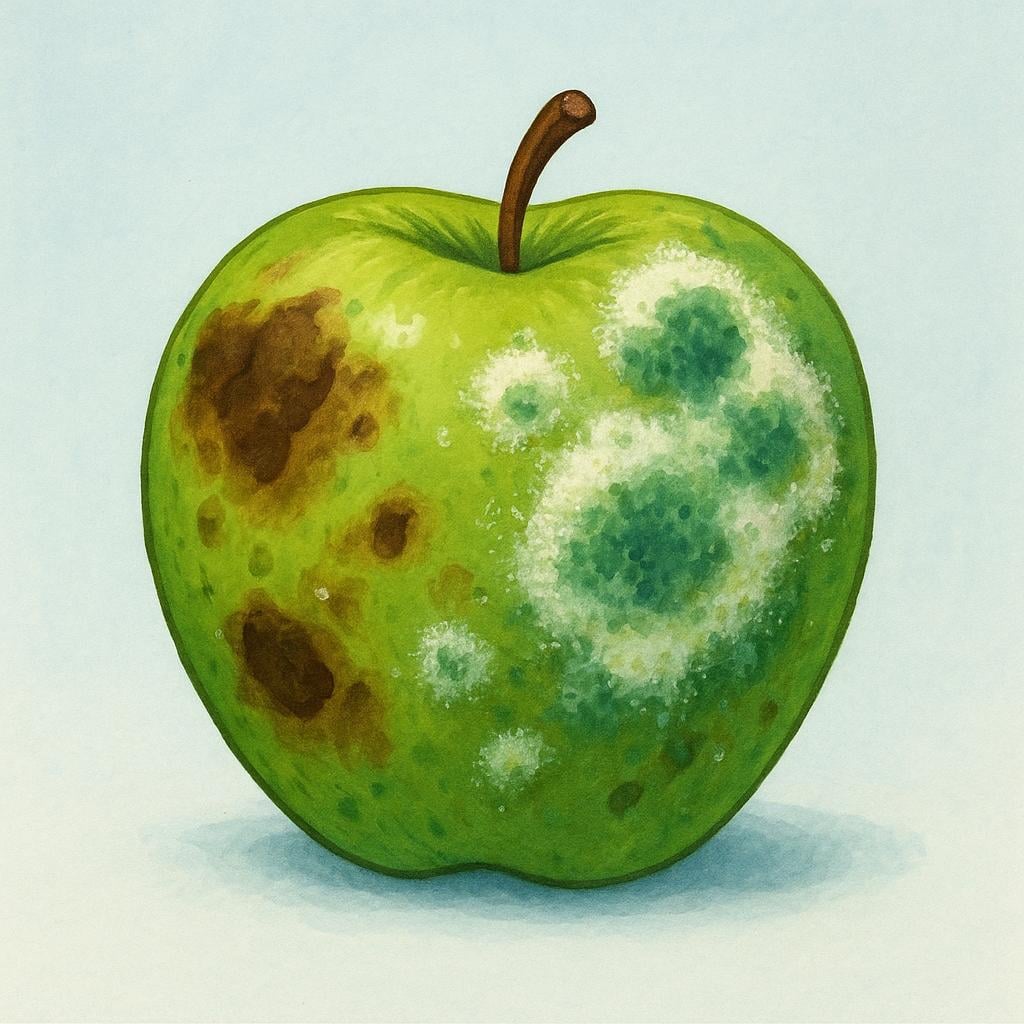
📝 In Action
Las noticias que recibimos fueron terribles.
A1The news we received was awful.
Sus modales en la mesa son terribles.
A2His table manners are horrible.
Tuvimos unos días terribles de lluvia y frío.
A2We had some awful days of rain and cold.
dreadful, terrifying
Also: horrific
📝 In Action
Las heridas de los soldados eran terribles.
B1The soldiers' wounds were dreadful.
Tuvieron que enfrentar peligros terribles en la montaña.
B2They had to face terrifying dangers on the mountain.
Translate to Spanish
✏️ Quick Practice
Quick Quiz: terribles
Question 1 of 2
Which sentence uses 'terribles' to describe an unpleasant situation rather than something genuinely frightening?
📚 More Resources
📚 Etymology▼
Comes from the Latin word *terribilis*, which means 'causing fear' or 'fearsome.' It entered Spanish maintaining that strong sense of dread.
First recorded: 13th century
Cognates (Related words)
💡 Master Spanish
Take your Spanish to the next level. Read 200+ illustrated and narrated Spanish stories tailored to your level with the Inklingo app!
Frequently Asked Questions
Is 'terribles' the same for masculine and feminine words?
Yes! The singular form 'terrible' ends in an 'e,' which means it doesn't change based on gender. The plural form 'terribles' is used for both masculine plural nouns (like 'días') and feminine plural nouns (like 'noticias').