terror
“terror” means “terror” in Spanish. It has 2 different meanings depending on context:
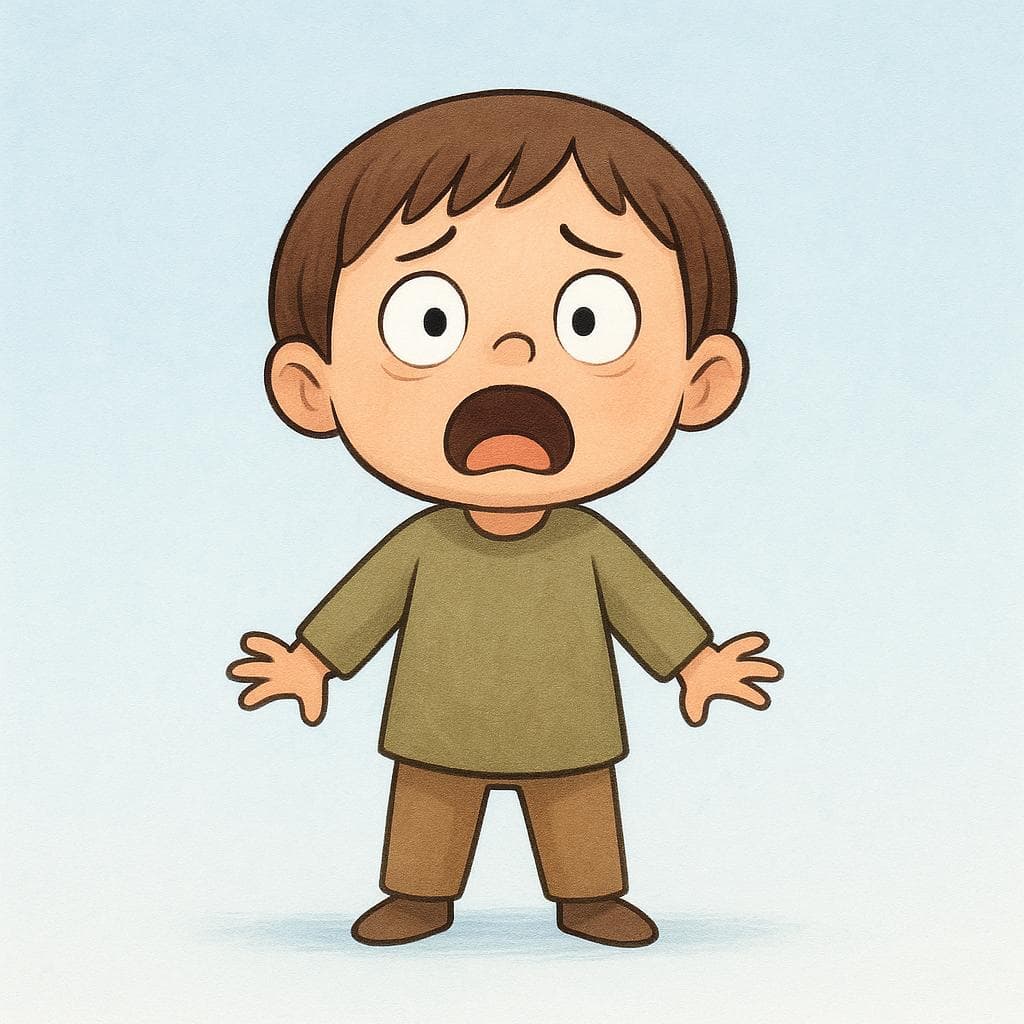

terror, dreadAlso: panic
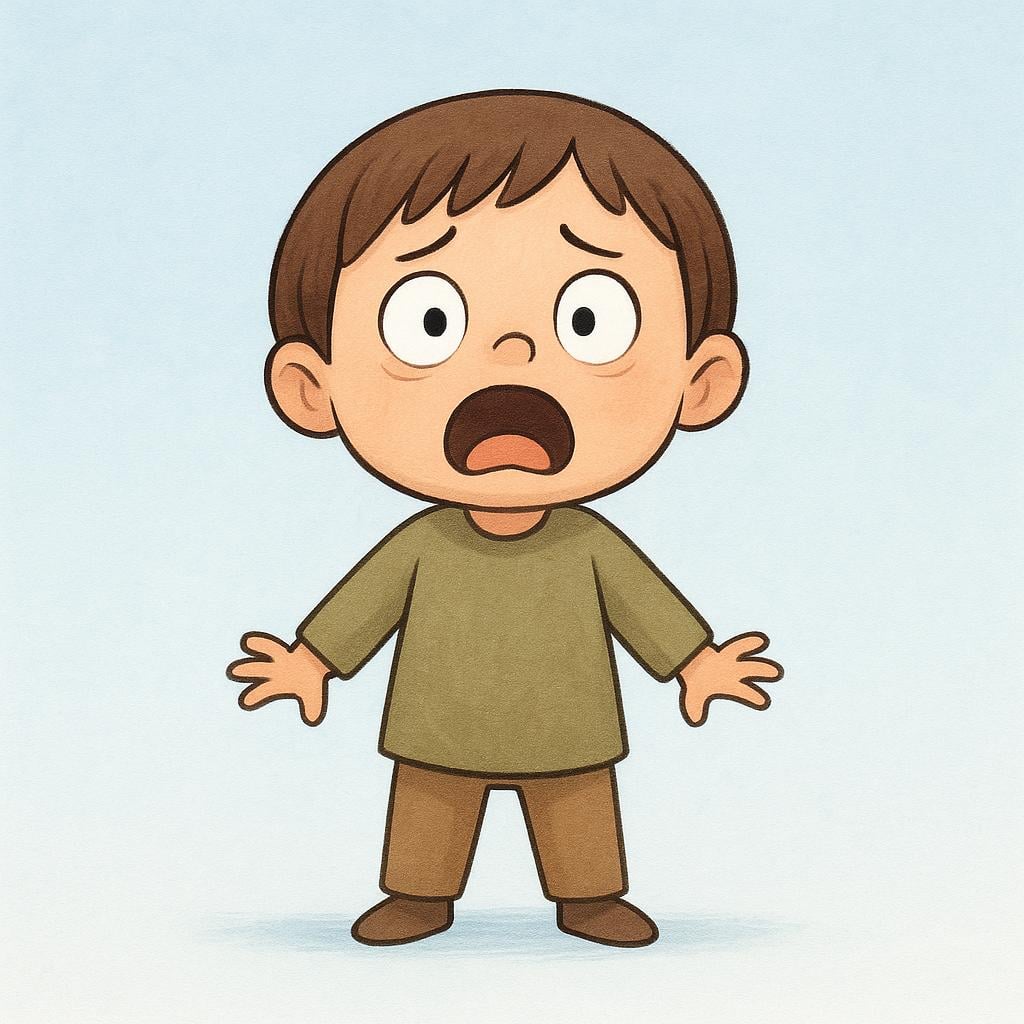
📝 In Action
El terremoto causó un terror generalizado entre la población.
B1The earthquake caused widespread terror among the population.
Sentí un terror horrible cuando se apagaron todas las luces.
A2I felt a horrible dread when all the lights went out.
La película de terror me mantuvo despierto toda la noche.
B1The horror movie kept me awake all night.
Word Connections
menace, holy terrorAlso: pest

📝 In Action
Mi sobrino es un terror; rompió dos jarrones esta mañana.
C1My nephew is a menace/holy terror; he broke two vases this morning.
Ese perro es un terror, siempre está ladrando a los carteros.
B2That dog is a terror, it's always barking at the mail carriers.
Word Connections
Translate to Spanish
✏️ Quick Practice
Quick Quiz: terror
Question 1 of 2
Which sentence uses 'terror' to describe a person?
📚 More Resources
👥 Word Family
📚 Etymology
Comes directly from the Latin word *terror*, meaning 'great fear' or 'dread'. It has remained virtually unchanged in Spanish since its adoption.
First recorded: Medieval Spanish (around 13th century)
Cognates (Related words)
💡 Master Spanish
Take your Spanish to the next level. Read 200+ illustrated and narrated Spanish stories tailored to your level with the Inklingo app!
Frequently Asked Questions
Is 'terror' masculine or feminine?
'Terror' is a masculine noun, so you always use the article 'el' with it (el terror). This is common for Spanish nouns ending in -or.
What is the difference between 'miedo' and 'terror'?
'Miedo' is general fear, like being scared of heights. 'Terror' is much stronger—it's overwhelming, intense dread, similar to the difference between 'scared' and 'terrified' in English.