timón
“timón” means “rudder” in Spanish. It has 2 different meanings depending on context:
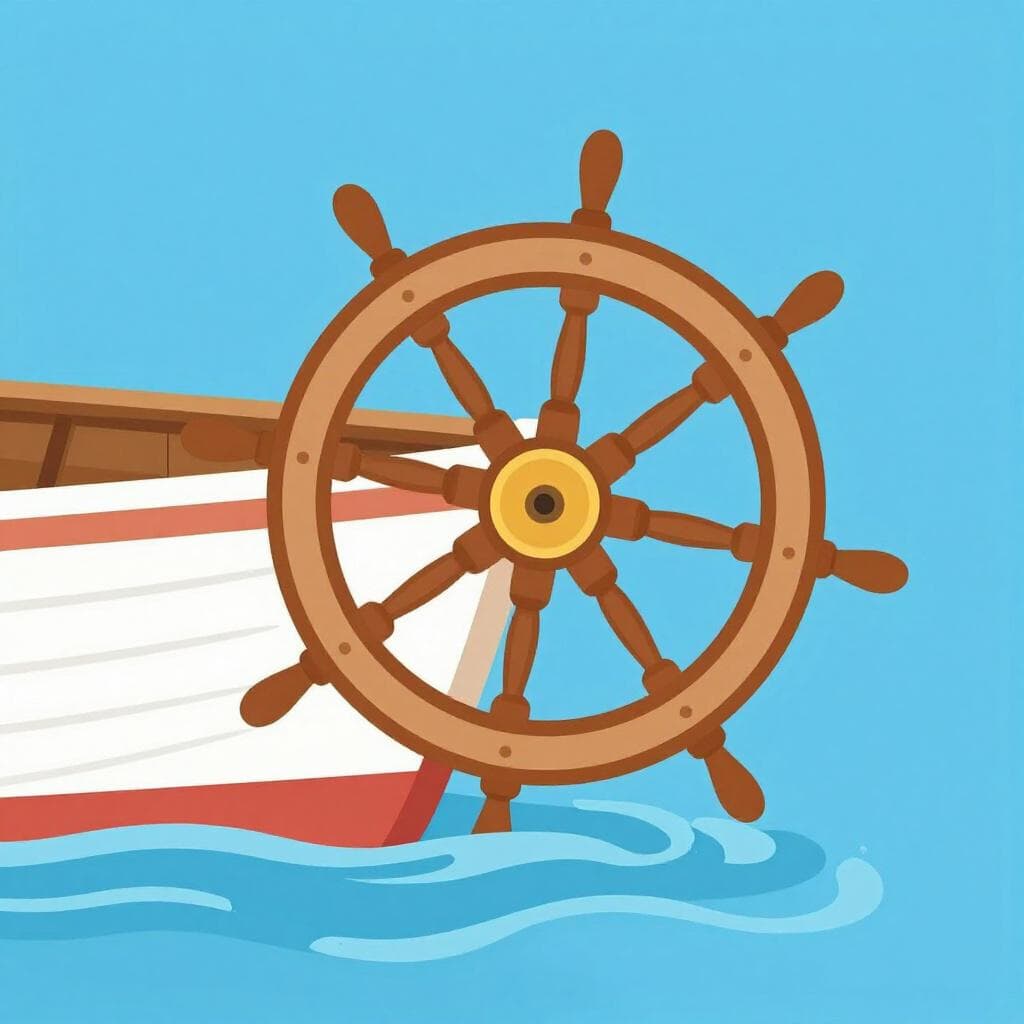
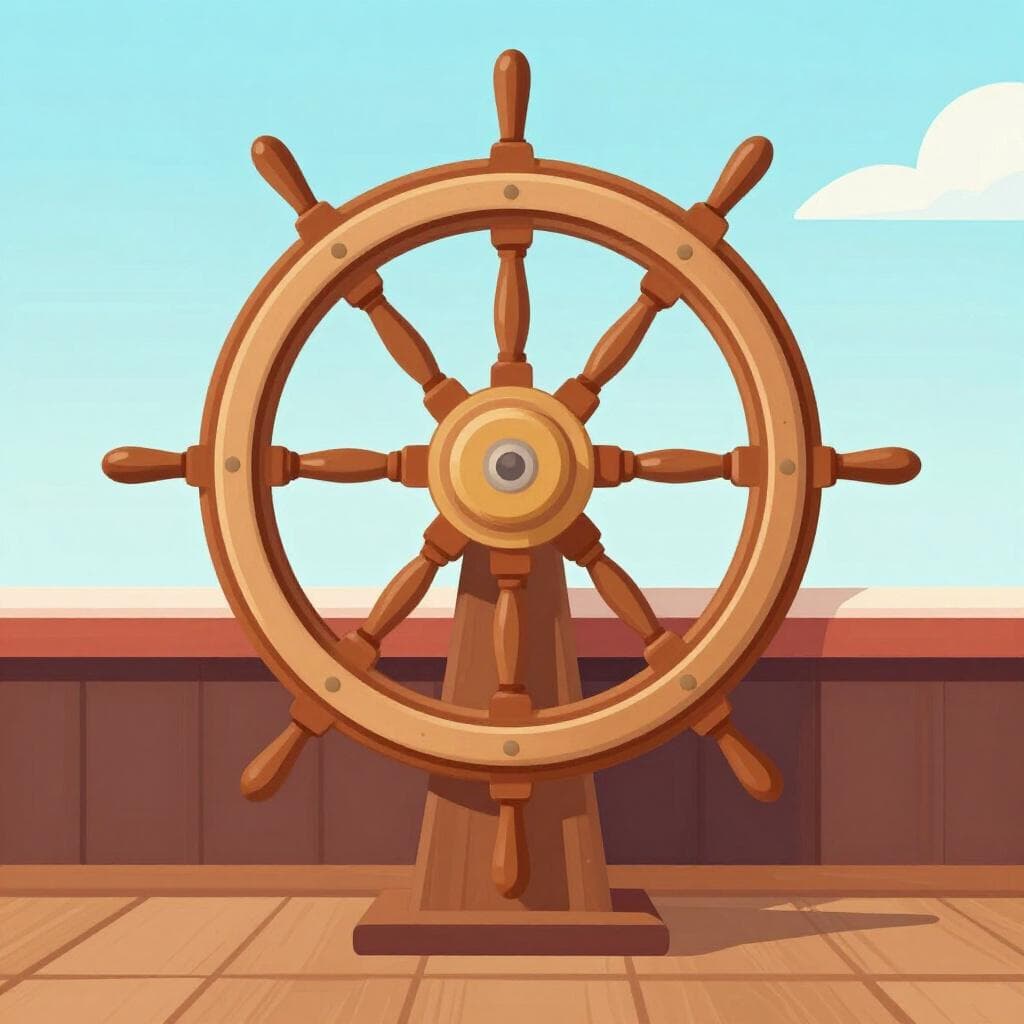
rudder, helmAlso: steering gear
📝 In Action
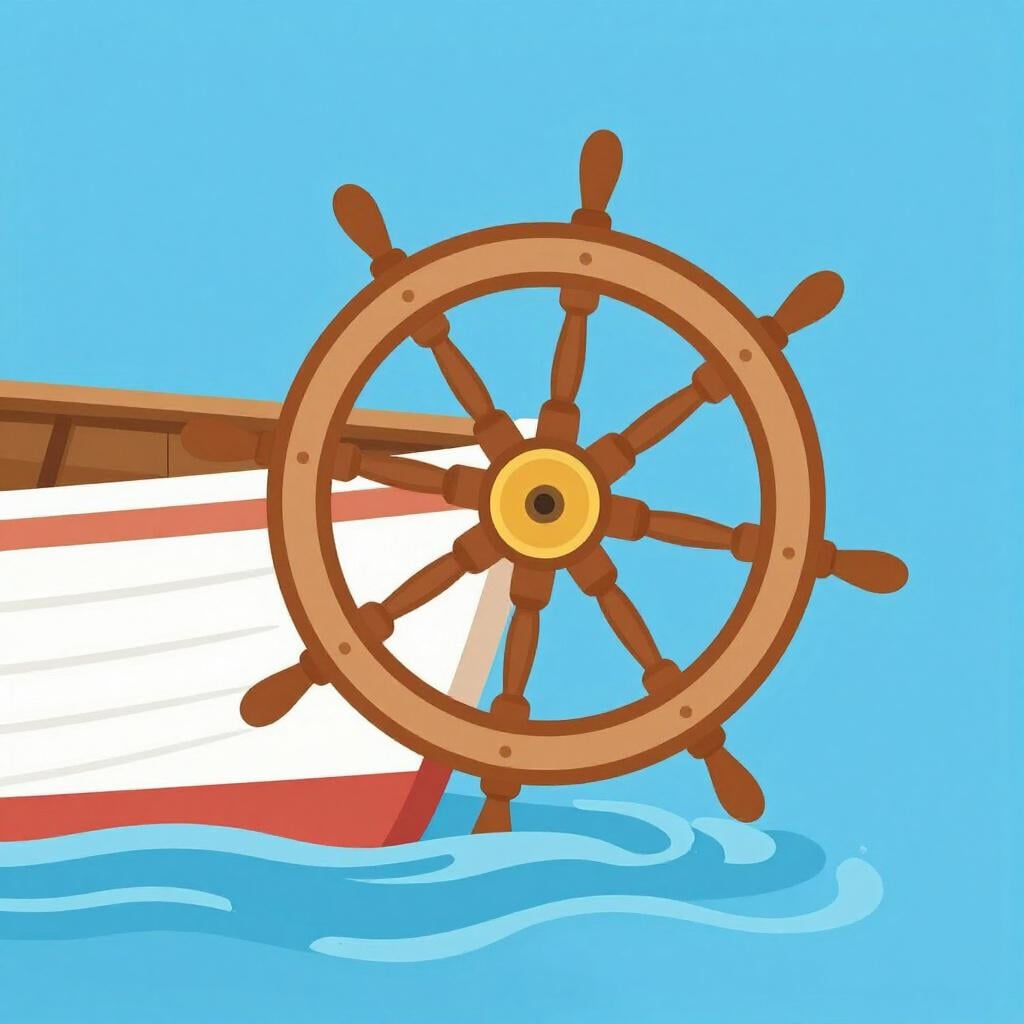
El capitán giró el timón con fuerza para evitar la roca.
B1The captain turned the helm hard to avoid the rock.
El timón de cola del avión ayuda a controlar la dirección.
B2The airplane's tail rudder helps control the direction.
Sin un timón que funcione, el barco irá a la deriva.
C1Without a functioning rudder, the boat will drift.
Word Connections
helm, leadershipAlso: control
📝 In Action
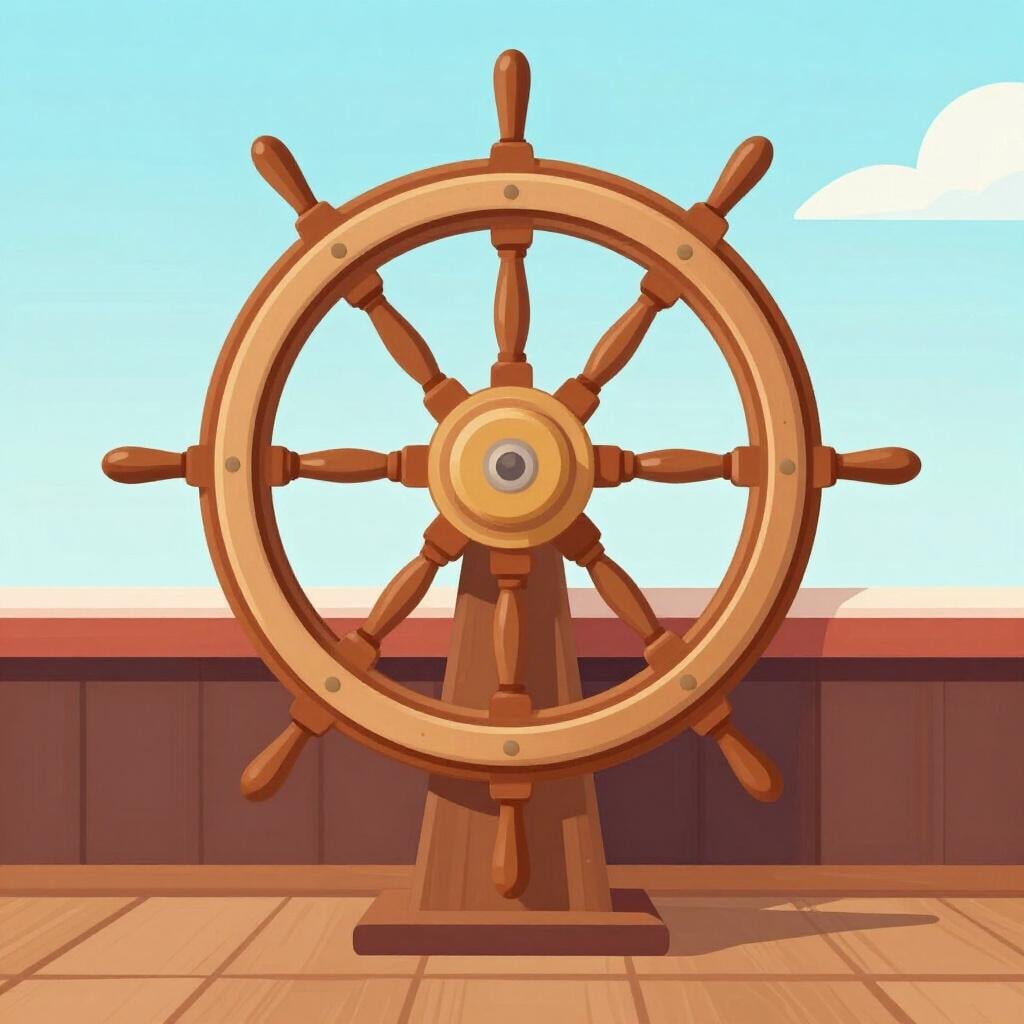
Ella tomó el timón de la empresa en un momento difícil.
B2She took the helm of the company at a difficult time.
Necesitamos a alguien con experiencia al timón de este proyecto.
C1We need someone with experience at the helm of this project.
El nuevo director quiere cambiar el timón de la política educativa.
C2The new director wants to change the direction of educational policy.
Word Connections
Translate to Spanish
Words that translate to "timón" in Spanish:
✏️ Quick Practice
Quick Quiz: timón
Question 1 of 3
What is the most common use for 'timón' in a nautical context?
📚 More Resources
👥 Word Family
🎵 Rhymes
📚 Etymology
From the Latin word 'temo', which originally referred to the pole of a carriage or wagon used for steering.
First recorded: 13th century
Cognates (Related words)
💡 Master Spanish
Take your Spanish to the next level. Read 200+ illustrated and narrated Spanish stories tailored to your level with the Inklingo app!
Frequently Asked Questions
Can I use 'timón' for my bicycle?
Not usually. For a bicycle or motorcycle, we use 'manillar' (handlebars). 'Timón' is strictly for boats, planes, and metaphorical leadership.
Is 'timón' used for cars?
In most Spanish-speaking countries, we use 'volante'. However, in some places like Peru or Colombia, you might hear people use 'timón' for a car's steering wheel.
How do you say 'to be at the helm'?
The most natural way to say this in Spanish is 'estar al timón'.