tinta
“tinta” means “ink” in Spanish. It has 3 different meanings depending on context:
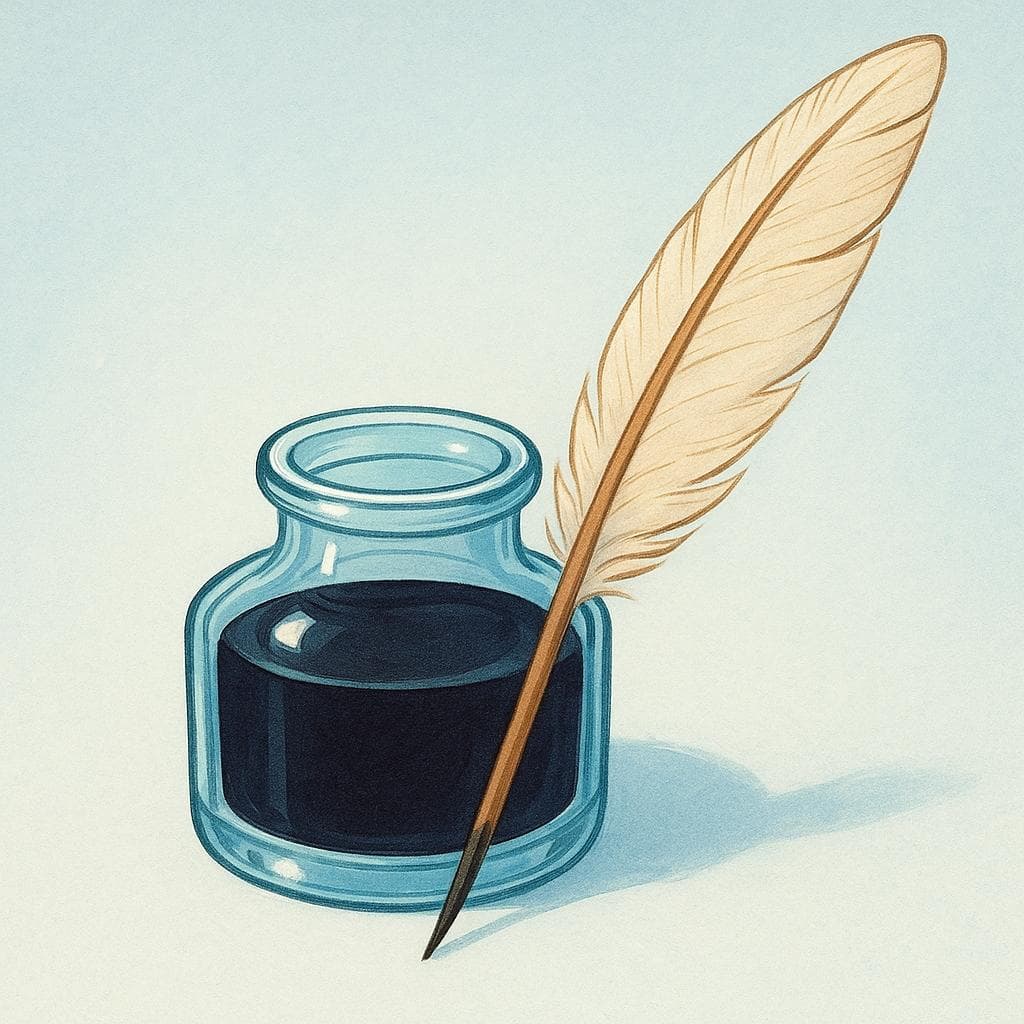

ink
Also: cartridge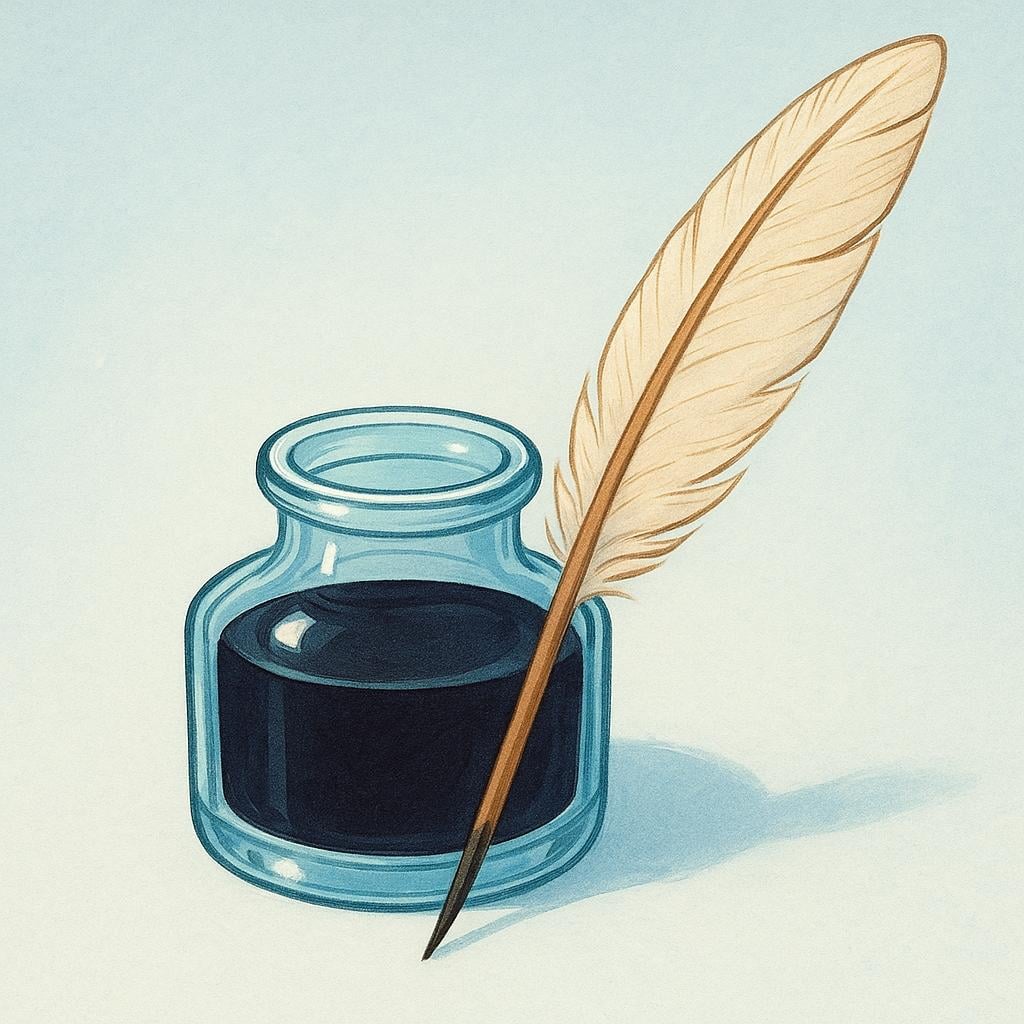
📝 In Action
Se me acabó la tinta de la pluma justo antes de terminar el examen.
A1I ran out of ink in my pen right before finishing the exam.
Esta impresora necesita cartuchos de tinta negra y de color.
A2This printer needs black and color ink cartridges.
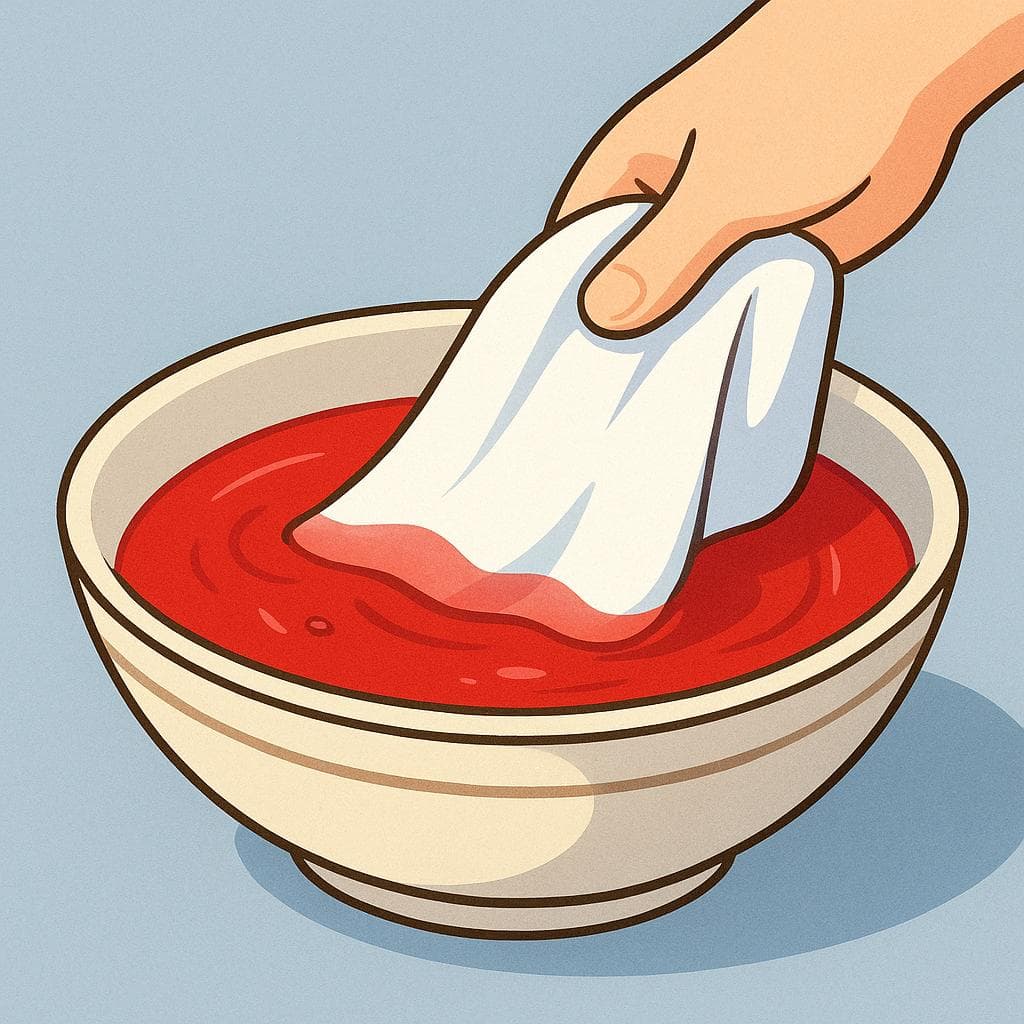
dye, tint
Also: stain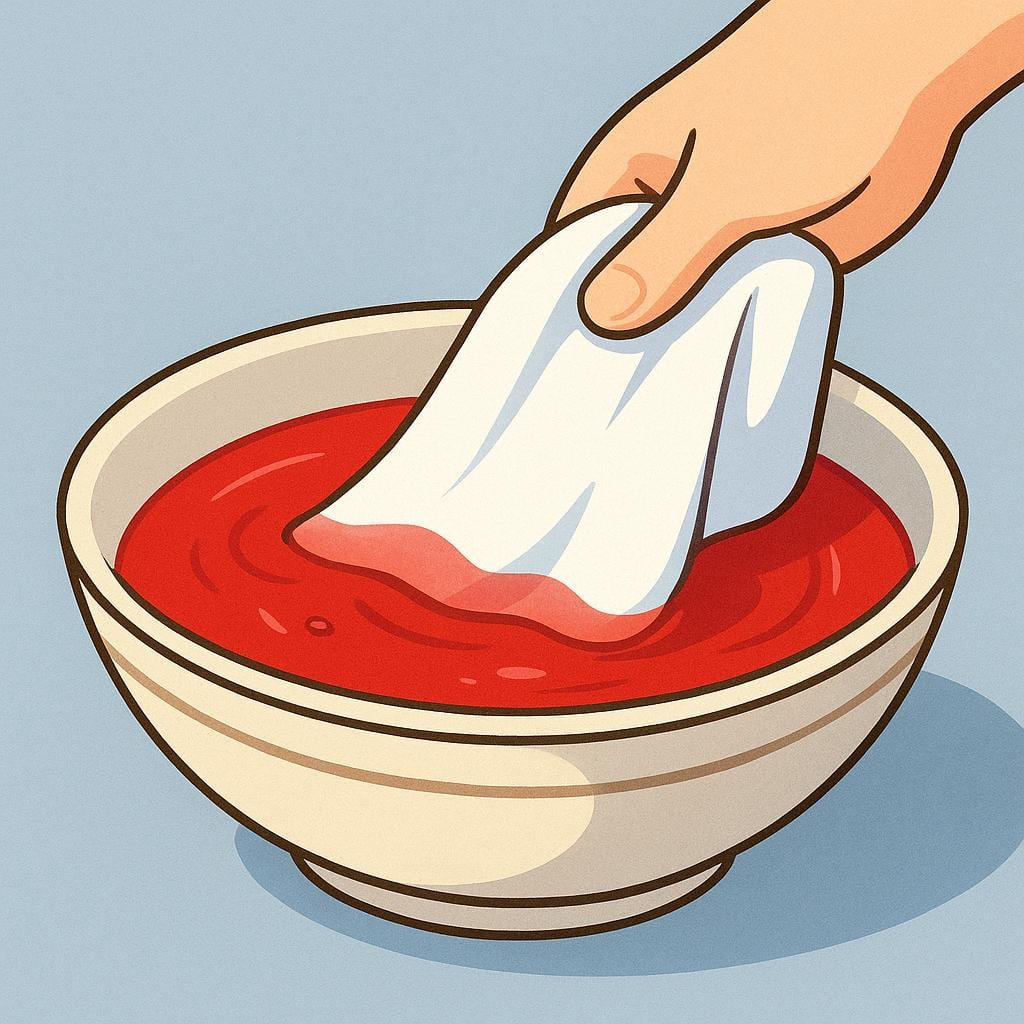
📝 In Action
El peluquero me aplicó una tinta temporal para cambiar el tono de mi cabello.
B1The hairdresser applied a temporary dye to change the shade of my hair.
La fábrica utiliza tintas vegetales para teñir las camisetas.
B2The factory uses vegetable dyes to color the t-shirts.
stain
Also: bad reputation
📝 In Action
La prensa le ha echado mala tinta por sus comentarios recientes.
C1The press has given him a bad reputation (literally: 'thrown bad ink') for his recent comments.
Aunque fue absuelto, le quedó una tinta de sospecha.
C2Even though he was acquitted, a stain of suspicion remained on him.
Translate to Spanish
✏️ Quick Practice
Quick Quiz: tinta
Question 1 of 1
Which sentence uses 'tinta' in its most common, everyday meaning (A1 level)?
📚 More Resources
👥 Word Family▼
📚 Etymology▼
The word 'tinta' comes from the Latin word *tincta*, which means 'dyed' or 'colored.' It is the feminine form of the past tense of the Latin verb *tingere*, meaning 'to dye' or 'to moisten.' This shows how the original concept was always about adding color to something.
First recorded: 13th century
Cognates (Related words)
💡 Master Spanish
Take your Spanish to the next level. Read 200+ illustrated and narrated Spanish stories tailored to your level with the Inklingo app!
Frequently Asked Questions
Is 'tinta' related to 'vino tinto' (red wine)?
Yes, they share the same root! 'Tinto' literally means 'dyed' or 'colored,' which is why it's used to describe red wine. 'Tinta' is the liquid coloring substance, and 'tinto' is the adjective describing the color.
How do I say 'tattoo ink' in Spanish?
You can say 'tinta de tatuaje' or sometimes just 'pigmento para tatuar.' 'Tinta' works perfectly fine here.