tocaba
“tocaba” means “was touching” in Spanish. It has 3 different meanings depending on context:

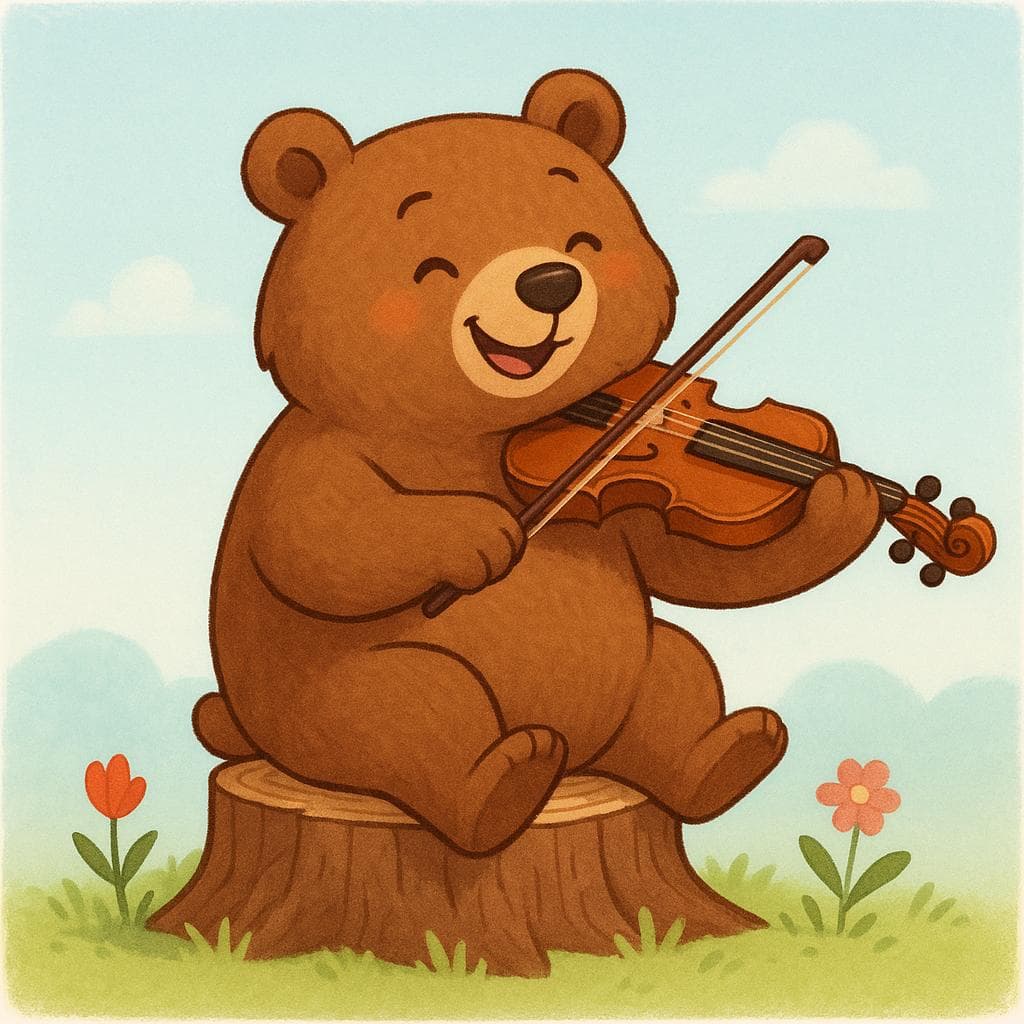
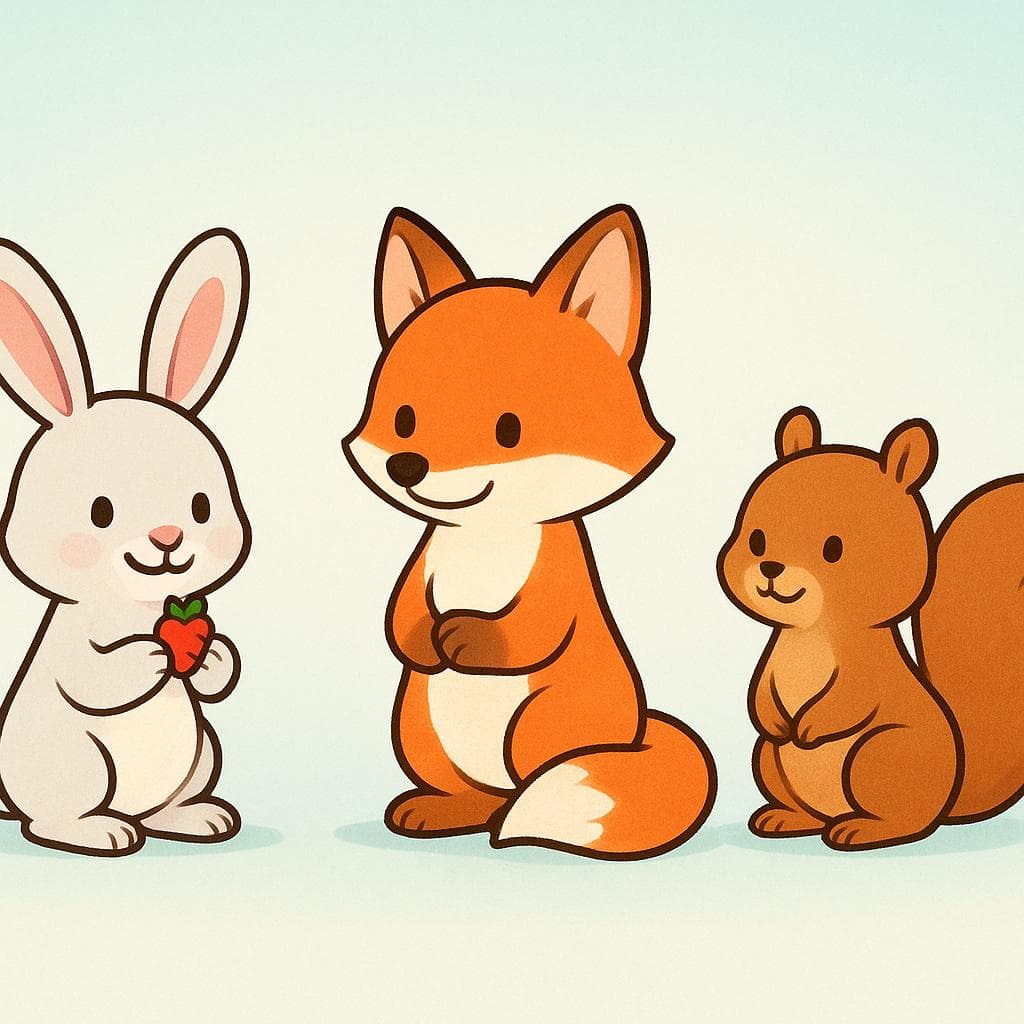
was touching, used to touch
Also: was feeling, was knocking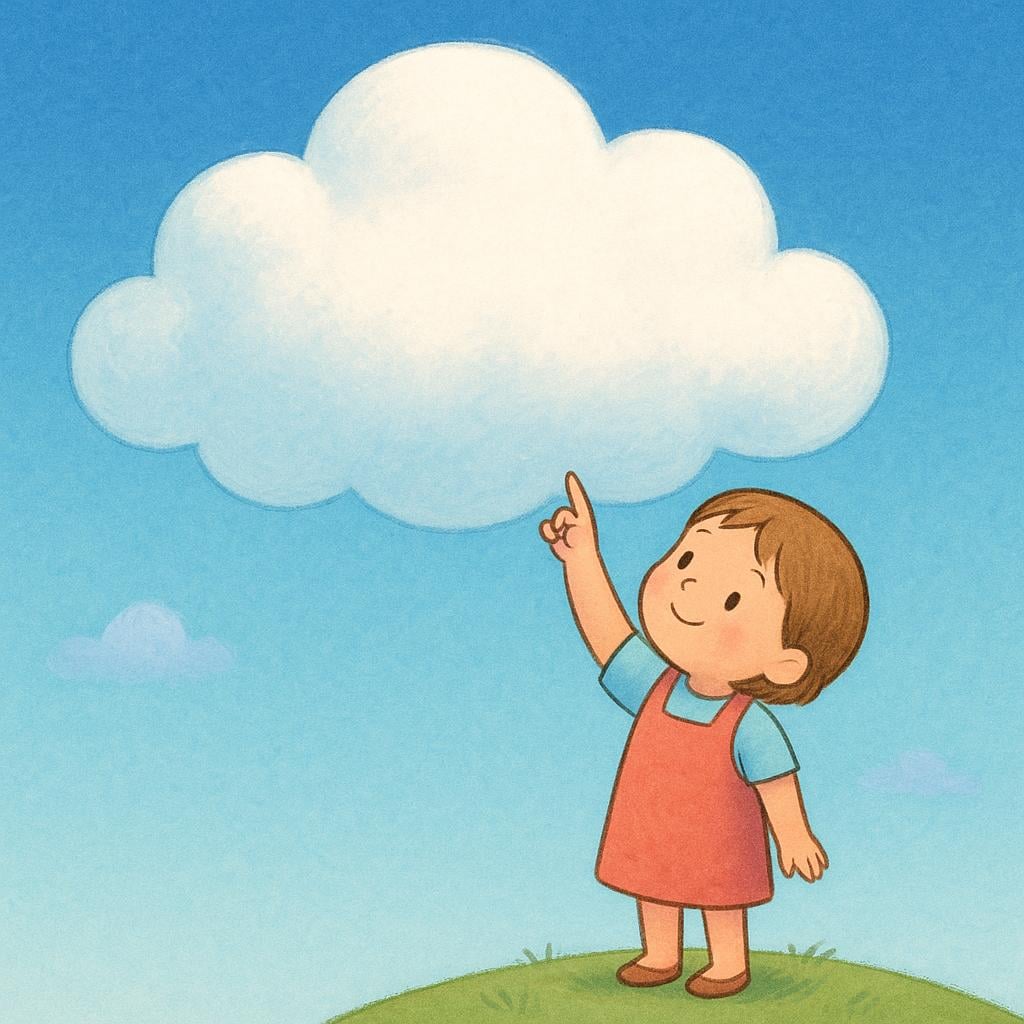
📝 In Action
Ella siempre tocaba las flores en el jardín.
A1She always used to touch the flowers in the garden.
Cuando era niño, tocaba la pared para asegurarse de que estaba allí.
A2When I was a child, I was touching (or used to touch) the wall to make sure it was there.
Alguien tocaba a la puerta cuando llegamos.
B1Someone was knocking at the door when we arrived.
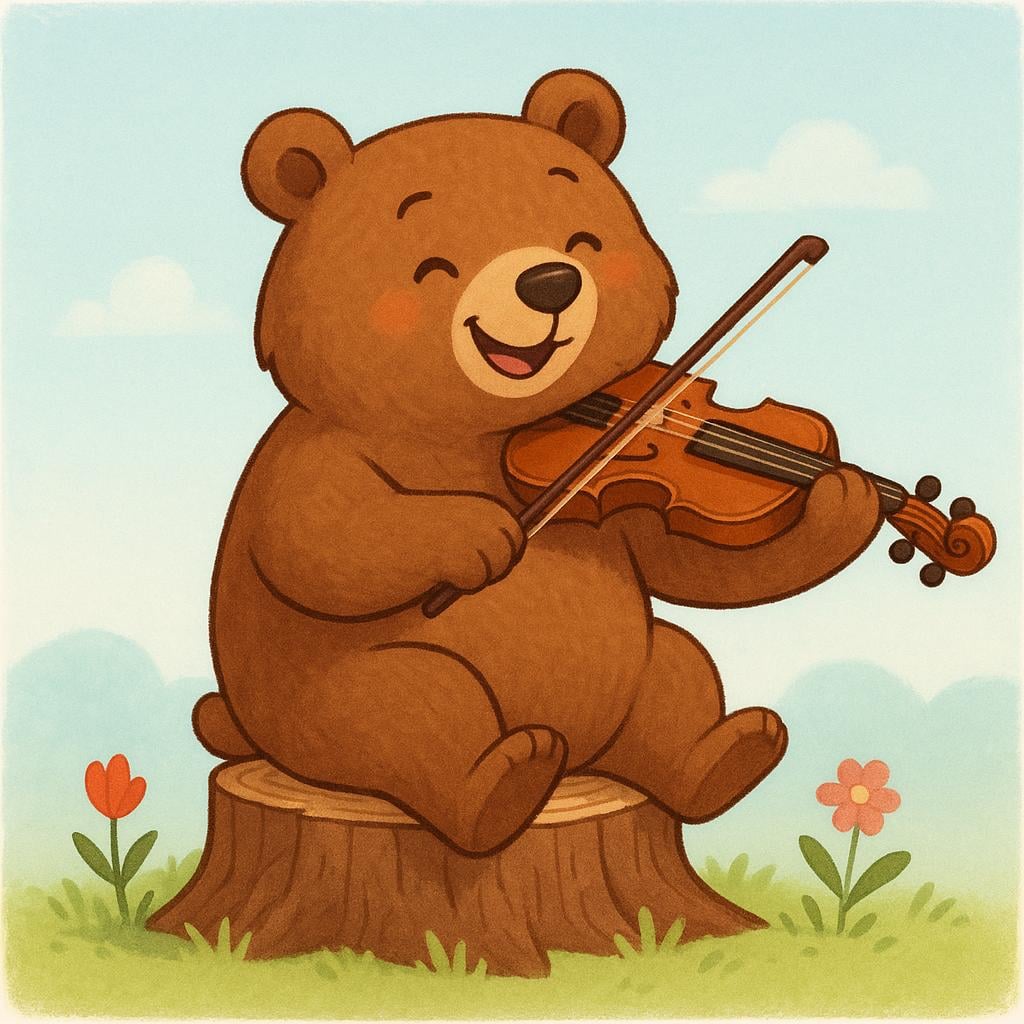
was playing, used to play
📝 In Action
Mi abuelo tocaba el piano todos los domingos.
A1My grandfather used to play the piano every Sunday.
Ella tocaba la guitarra cuando la conocí.
A2She was playing the guitar when I met her.
it was my/his/her turn, was supposed to
Also: was up to, was necessary
📝 In Action
Me tocaba a mí lavar los platos anoche.
B1It was my turn to wash the dishes last night.
Tocaba ir al médico, pero lo pospusimos.
B2It was necessary to go to the doctor, but we postponed it. (Literally: It touched to go...)
A ella le tocaba recibir el premio.
B2It was her turn (or her due) to receive the prize.
Indicative
Present
Imperfect
Preterite
Subjunctive
Present Subjunctive
Imperfect Subjunctive
Translate to Spanish
Words that translate to "tocaba" in Spanish:
was feeling→was knocking→was necessary→was playing→was touching→✏️ Quick Practice
Quick Quiz: tocaba
Question 1 of 2
Which English phrase best describes the meaning of 'Me tocaba ir al dentista'?
📚 More Resources
👥 Word Family▼
📚 Etymology▼
From the Vulgar Latin *toccare*, which meant 'to strike' or 'to knock.' This explains why the word applies both to physical contact and to making sounds (playing instruments or knocking).
First recorded: 13th century
Cognates (Related words)
💡 Master Spanish
Take your Spanish to the next level. Read 200+ illustrated and narrated Spanish stories tailored to your level with the Inklingo app!
Frequently Asked Questions
If I want to say 'He touched the hot stove once,' should I use 'tocaba'?
No. 'Tocaba' is for repeated or continuous actions. For a single, finished action like touching the stove once, you must use the Preterite tense: 'Él tocó la estufa caliente.'
How do I know if 'tocaba' means 'touching' or 'playing music'?
Context is key! If an instrument (like 'guitarra' or 'piano') is mentioned, it means 'playing.' If a body part or surface is mentioned (like 'la mesa' or 'la cara'), it means 'touching.'