tocino
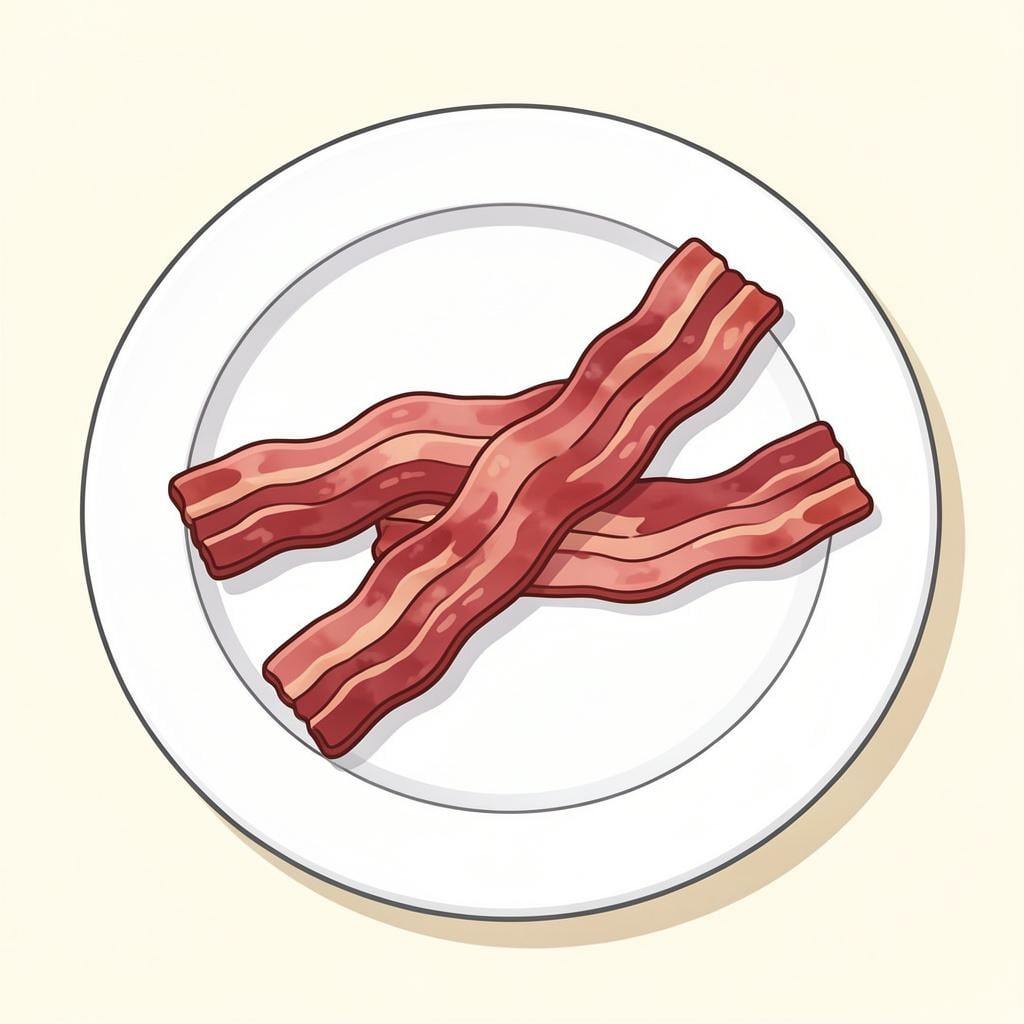
“tocino” means “bacon” in Spanish (fried strips of pork meat).
baconAlso: pork fat, salt pork
📝 In Action
Me gusta comer huevos con tocino en el desayuno.
A1I like to eat eggs and bacon for breakfast.
El tocino debe estar muy crujiente.
A1The bacon should be very crispy.
Añade un poco de tocino a las lentejas para darles sabor.
A2Add a bit of pork fat to the lentils to give them flavor.
Word Connections
✏️ Quick Practice
Quick Quiz: tocino
Question 1 of 2
Which of these would you most likely do with 'tocino'?
📚 More Resources
👥 Word Family
📚 Etymology
From the old Spanish word 'tuccetum', which was a type of beef or pork dish in Latin. It originally referred to salted meat prepared to last a long time.
First recorded: 13th century
Cognates (Related words)
💡 Master Spanish
Take your Spanish to the next level. Read 200+ illustrated and narrated Spanish stories tailored to your level with the Inklingo app!
Frequently Asked Questions
Is 'tocino' the same as 'bacon'?
Yes, but with a nuance. In many Spanish-speaking countries, 'tocino' refers to any pork fat, while 'bacon' (or 'beicon') specifically refers to the thin, cured strips.
Is 'tocino' masculine or feminine?
It is masculine. You should always say 'el tocino' or 'mucho tocino'.