toman
“toman” means “they take” in Spanish. It has 3 different meanings depending on context:
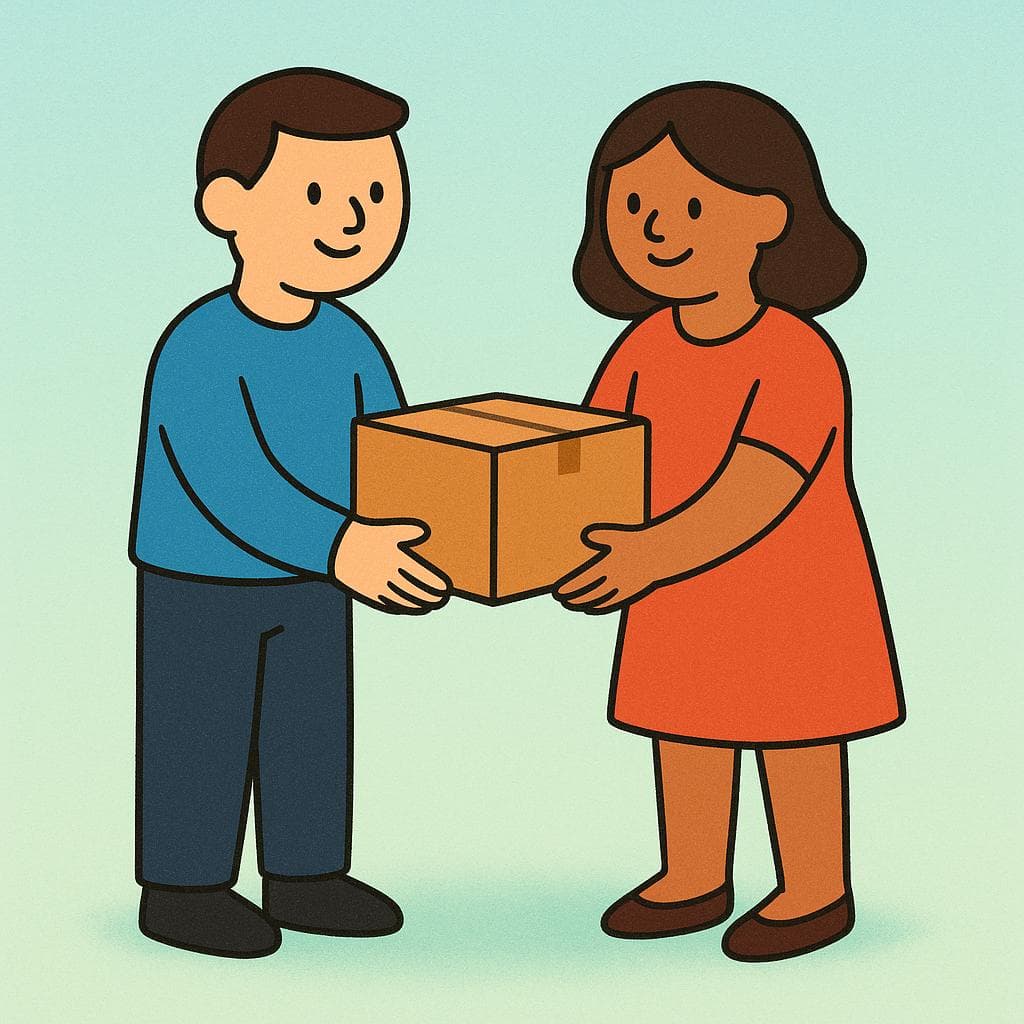
they take, you all take
Also: they grab, they pick up
📝 In Action
Ellos toman la caja y la ponen en el estante.
A1They take the box and put it on the shelf.
Ustedes toman sus sombreros antes de salir.
A2You all take your hats before leaving (formal command).
Los niños toman sus juguetes después de jugar.
A1The children pick up their toys after playing.
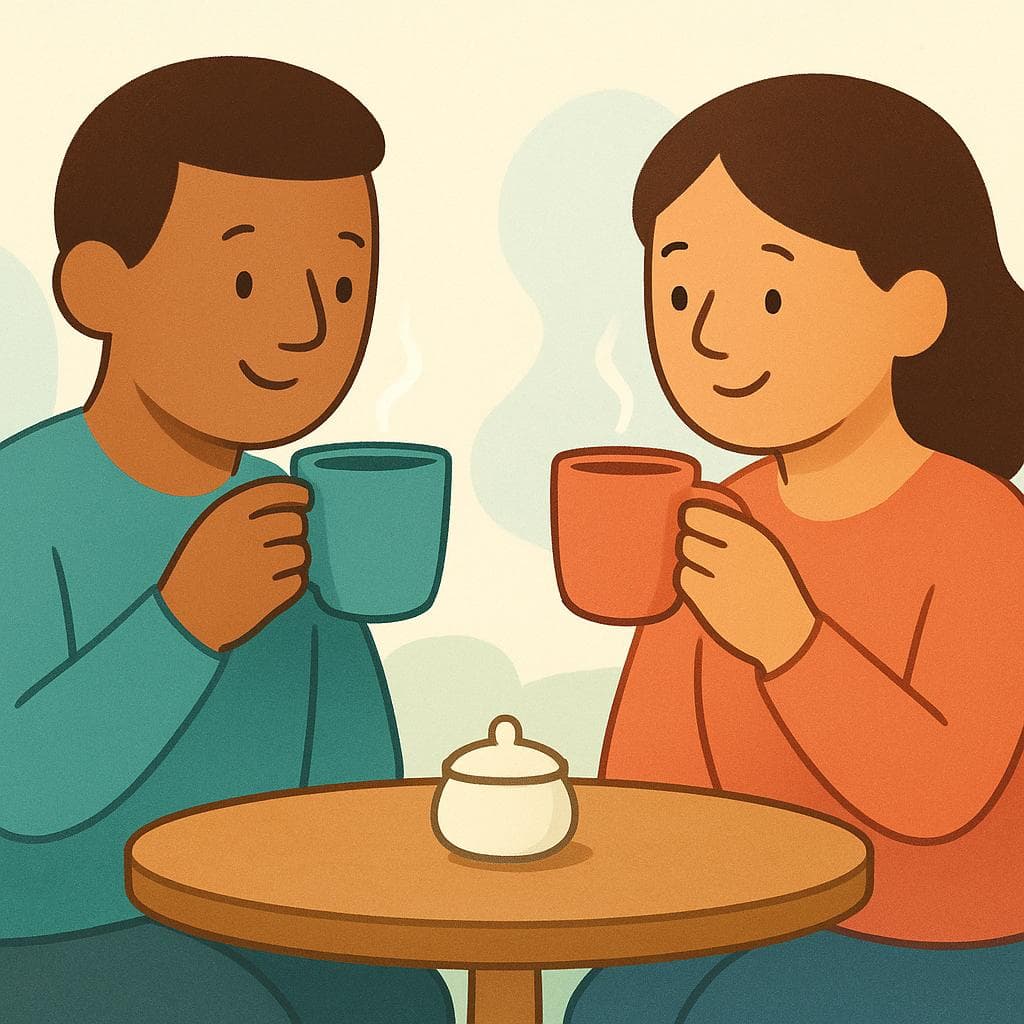
they drink, you all drink
Also: they have (lunch/coffee)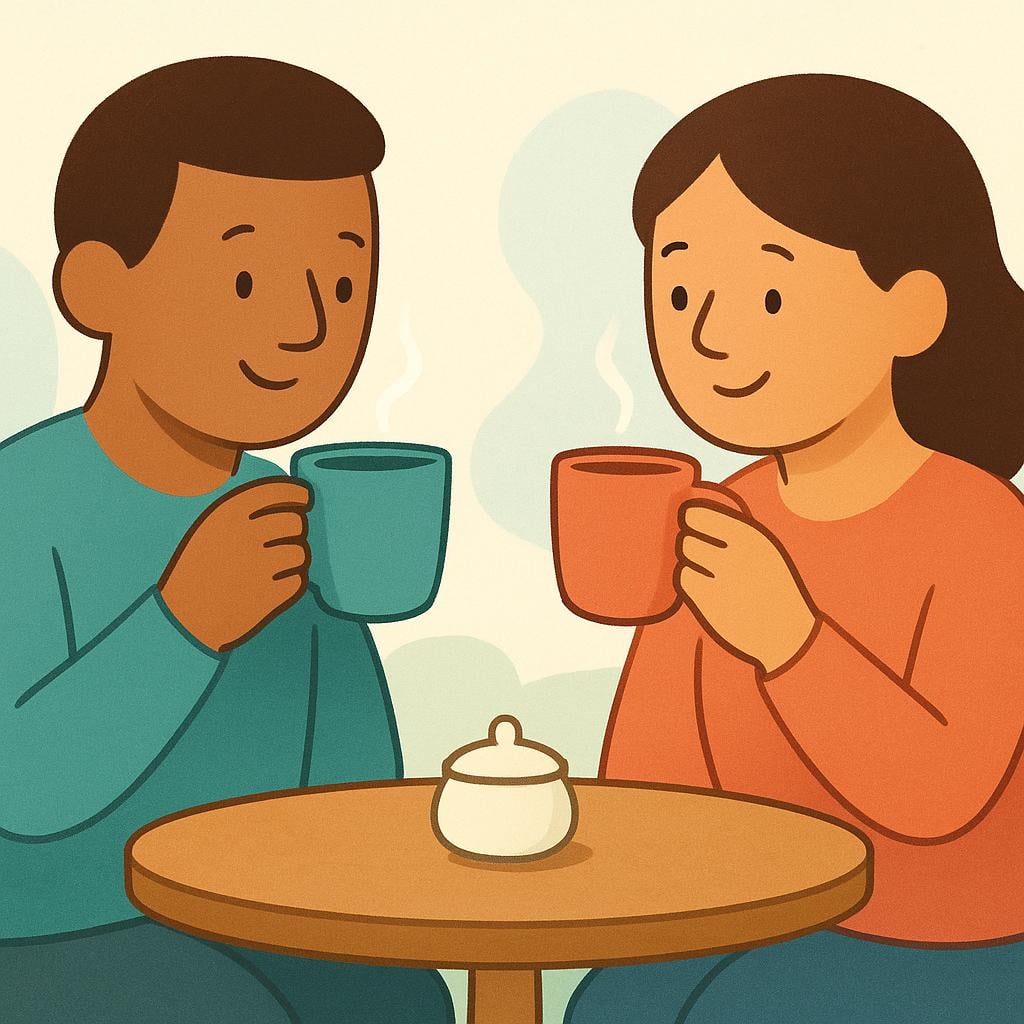
📝 In Action
Ellos siempre toman café con leche por la mañana.
A1They always drink coffee with milk in the morning.
¿Qué toman ustedes? ¿Cerveza o vino?
A2What are you all drinking? Beer or wine?
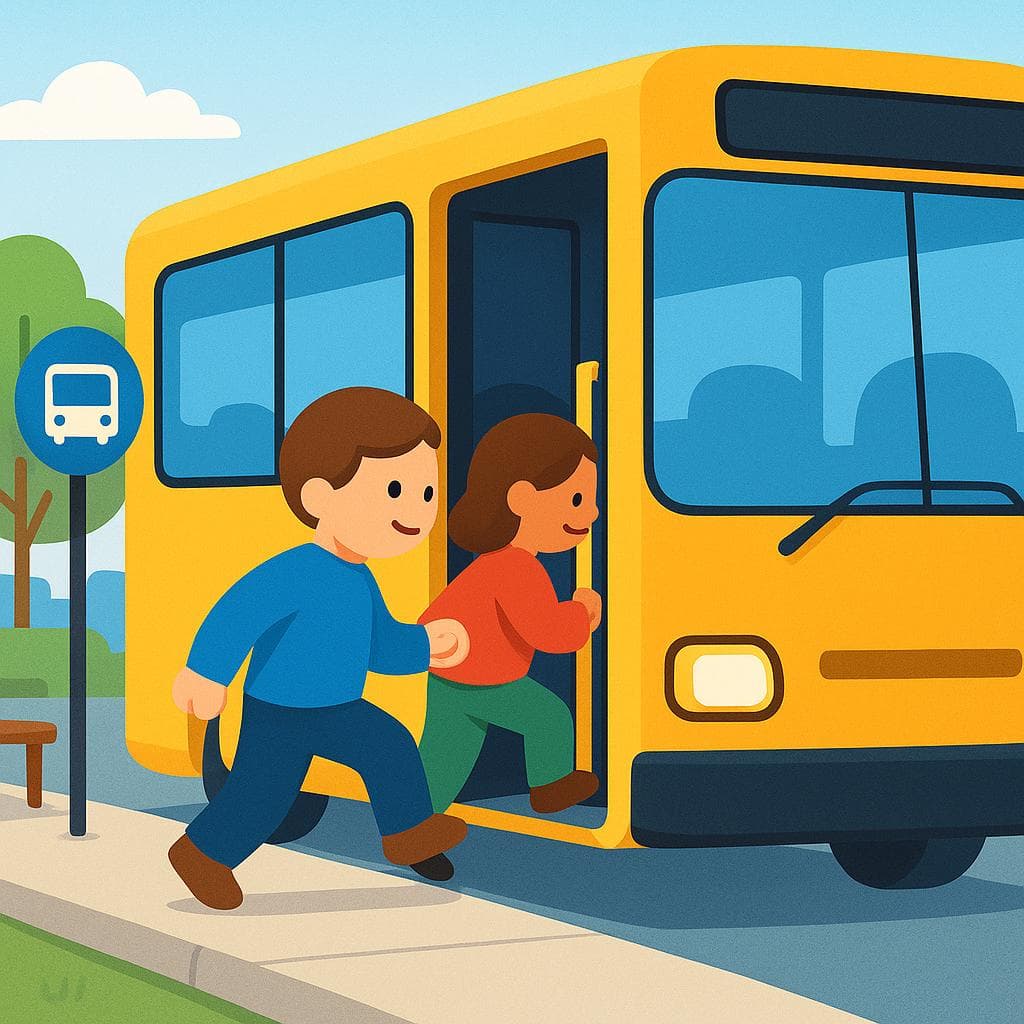
they catch, they make
Also: they adopt, they photograph
📝 In Action
Ellos toman el tren en la estación central todos los días.
A2They catch the train at the central station every day.
Los directores toman una decisión importante sobre el proyecto.
B1The directors make an important decision about the project.
Siempre toman muchas fotos cuando viajan a la montaña.
B1They always take many pictures when they travel to the mountains.
Indicative
Present
Imperfect
Preterite
Subjunctive
Present Subjunctive
Imperfect Subjunctive
Translate to Spanish
Words that translate to "toman" in Spanish:
they adopt→they catch→they drink→they grab→they make→they photograph→they take→✏️ Quick Practice
Quick Quiz: toman
Question 1 of 2
Which English sentence correctly uses the 'consumption' meaning of 'toman'?
📚 More Resources
👥 Word Family▼
🎵 Rhymes▼
📚 Etymology▼
Comes from the Latin verb *appretiare*, meaning 'to grasp' or 'to seize'. Over time, the meaning broadened significantly to include consuming things and making choices.
First recorded: 13th century
Cognates (Related words)
💡 Master Spanish
Take your Spanish to the next level. Read 200+ illustrated and narrated Spanish stories tailored to your level with the Inklingo app!
Frequently Asked Questions
What is the difference between 'toman' and 'beben'?
'Toman' (from 'tomar') is much broader. It means 'to take,' 'to grab,' 'to catch transport,' and 'to drink.' 'Beben' (from 'beber') means only 'to drink.' In many Spanish-speaking countries, 'tomar' is the more common verb for drinking beverages.
Is 'toman' the present tense or a command?
It is both! 'Ellos toman' means 'They take' (a statement of present fact). '¡Ustedes, tomen!' means 'You all, take!' (a command). Context tells you which one it is.