tomaste
“tomaste” means “you took” in Spanish. It has 3 different meanings depending on context:
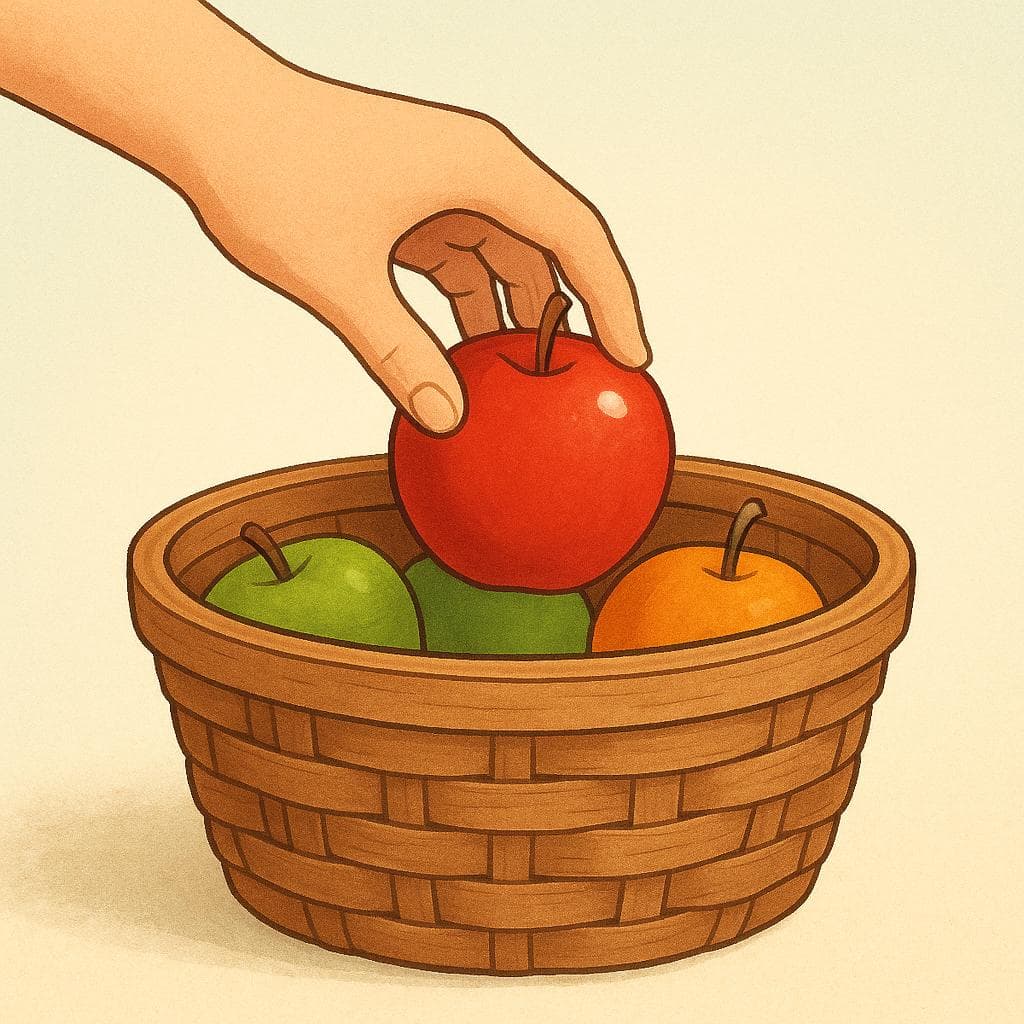


you took, you grabbed
Also: you seized, you picked up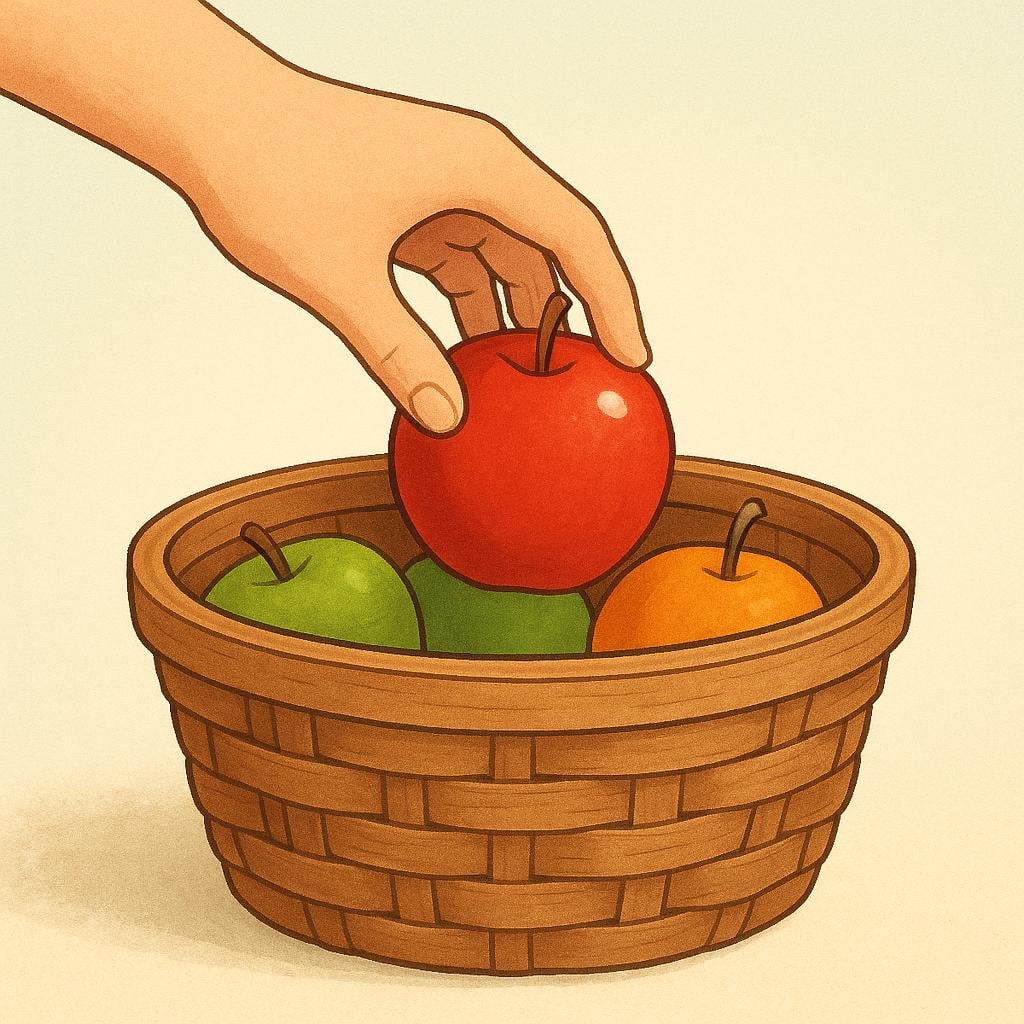
📝 In Action
¿Tomaste las llaves antes de salir?
A1Did you take the keys before leaving?
Tomaste mi mano cuando cruzamos la calle.
A2You took my hand when we crossed the street.
Tomaste una foto muy bonita.
A2You took a very beautiful photo.
you drank, you had (a drink)
Also: you took (medication)
📝 In Action
¿Tomaste suficiente agua durante el entrenamiento?
A1Did you drink enough water during the workout?
Dijiste que tomaste la medicina anoche.
A2You said you took the medicine last night.
you took, you caught
Also: you followed
📝 In Action
Si tomaste el metro, llegarás más rápido.
A2If you took the subway, you will arrive faster.
¿Por qué tomaste la carretera vieja?
B1Why did you take the old highway?
Indicative
Present
Imperfect
Preterite
Subjunctive
Present Subjunctive
Imperfect Subjunctive
Translate to Spanish
Words that translate to "tomaste" in Spanish:
you caught→you drank→you followed→you grabbed→you seized→you took→✏️ Quick Practice
Quick Quiz: tomaste
Question 1 of 2
If your friend told you, 'Tomaste un café muy fuerte,' what did they mean?
📚 More Resources
👥 Word Family▼
📚 Etymology▼
The verb 'tomar' comes from the medieval Spanish word 'tome,' which itself likely evolved from the Latin verb *appretiare*, meaning 'to appraise' or 'to value.' Over time, the meaning shifted from valuing something to physically acquiring or taking it, resulting in the modern verb's broad set of meanings.
First recorded: 13th century
Cognates (Related words)
💡 Master Spanish
Take your Spanish to the next level. Read 200+ illustrated and narrated Spanish stories tailored to your level with the Inklingo app!
Frequently Asked Questions
What is the difference between 'tomaste' and 'tomó'?
'Tomaste' is the informal way to say 'you took' (talking directly to a friend or child). 'Tomó' is the formal way to say 'you took' (talking respectfully to an adult, Usted) OR the way to say 'he/she took.'
Is 'tomaste' the same as 'agarraste'?
They are very similar synonyms for 'you grabbed,' but 'tomaste' is much broader. 'Tomaste' can mean 'you drank' or 'you rode the bus,' while 'agarraste' usually only refers to physically seizing or holding something.