trabajan
“trabajan” means “they work” in Spanish (speaking about a group of people or things).
they work, you work (plural, formal)
Also: they are working, they function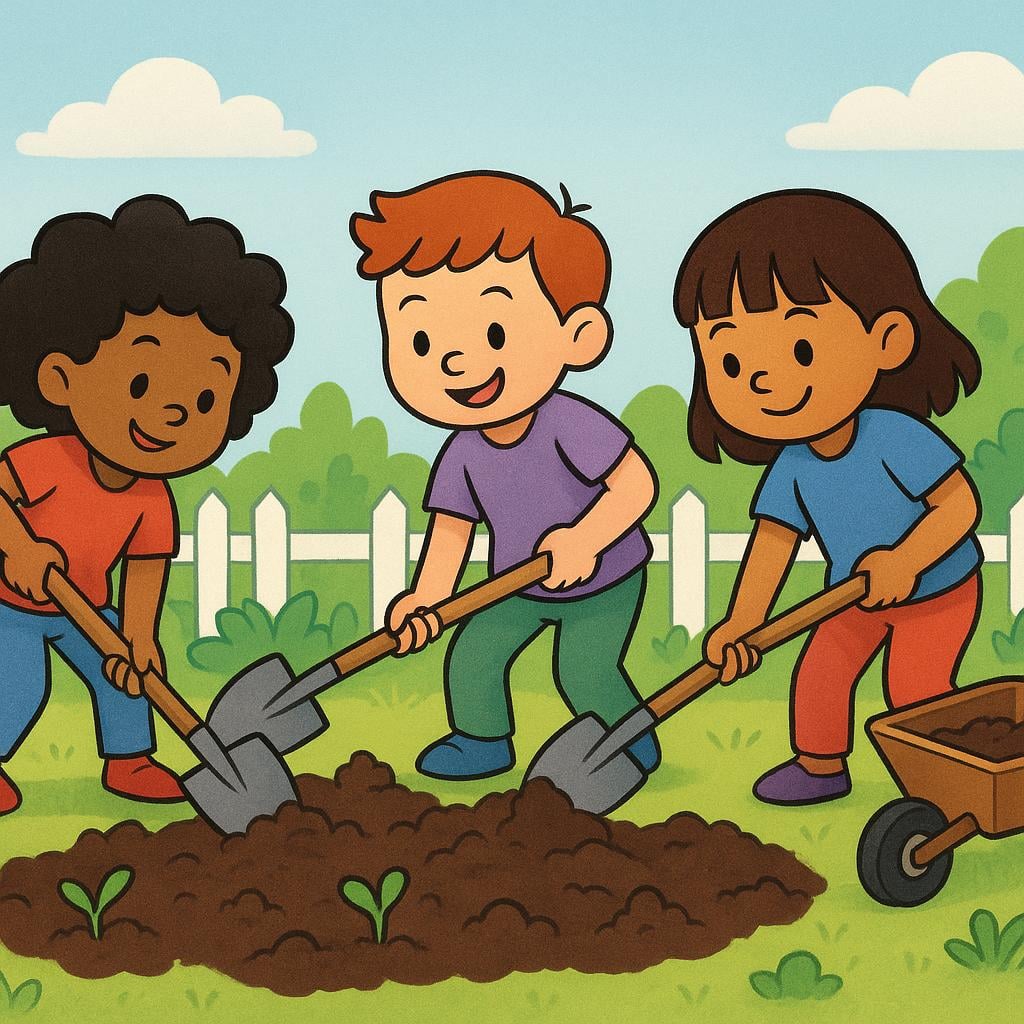
📝 In Action
Mis vecinos trabajan en la fábrica de coches.
A1My neighbors work at the car factory.
¿Ustedes trabajan hasta tarde hoy?
A2Do you all (formal) work until late today?
Las baterías nuevas trabajan mucho mejor que las viejas.
B1The new batteries function much better than the old ones.
Indicative
Present
Imperfect
Preterite
Subjunctive
Present Subjunctive
Imperfect Subjunctive
Translate to Spanish
✏️ Quick Practice
Quick Quiz: trabajan
Question 1 of 2
Which English phrase best translates 'Ellos trabajan en el jardín'?
📚 More Resources
👥 Word Family▼
🎵 Rhymes▼
📚 Etymology▼
The root of 'trabajar' (to work) comes from the Late Latin word *tripaliāre*, which originally meant 'to torture' or 'to subject to hardship'. This is because it derived from *tripalium*, a harsh instrument made of three stakes used to restrain animals or punish people. Over time, the meaning softened from 'suffering' to 'hard effort' and finally to the general meaning of 'work'.
First recorded: Around the 13th century in Spanish.
Cognates (Related words)
💡 Master Spanish
Take your Spanish to the next level. Read 200+ illustrated and narrated Spanish stories tailored to your level with the Inklingo app!
Frequently Asked Questions
Is 'trabajan' regular or irregular?
'Trabajan' is part of the verb 'trabajar,' which is a fully regular verb. This means its endings follow the standard, predictable pattern for all '-ar' verbs in Spanish, making it easy to conjugate.
When do I use 'trabajan' versus 'trabajaron'?
Use 'trabajan' (present tense) to talk about actions happening now or habits ('They work every day'). Use 'trabajaron' (preterite tense) to talk about a finished action in the past ('They worked yesterday').