tradicional
“tradicional” means “traditional” in Spanish (relating to customs or history).
traditional
Also: conventional, old-fashioned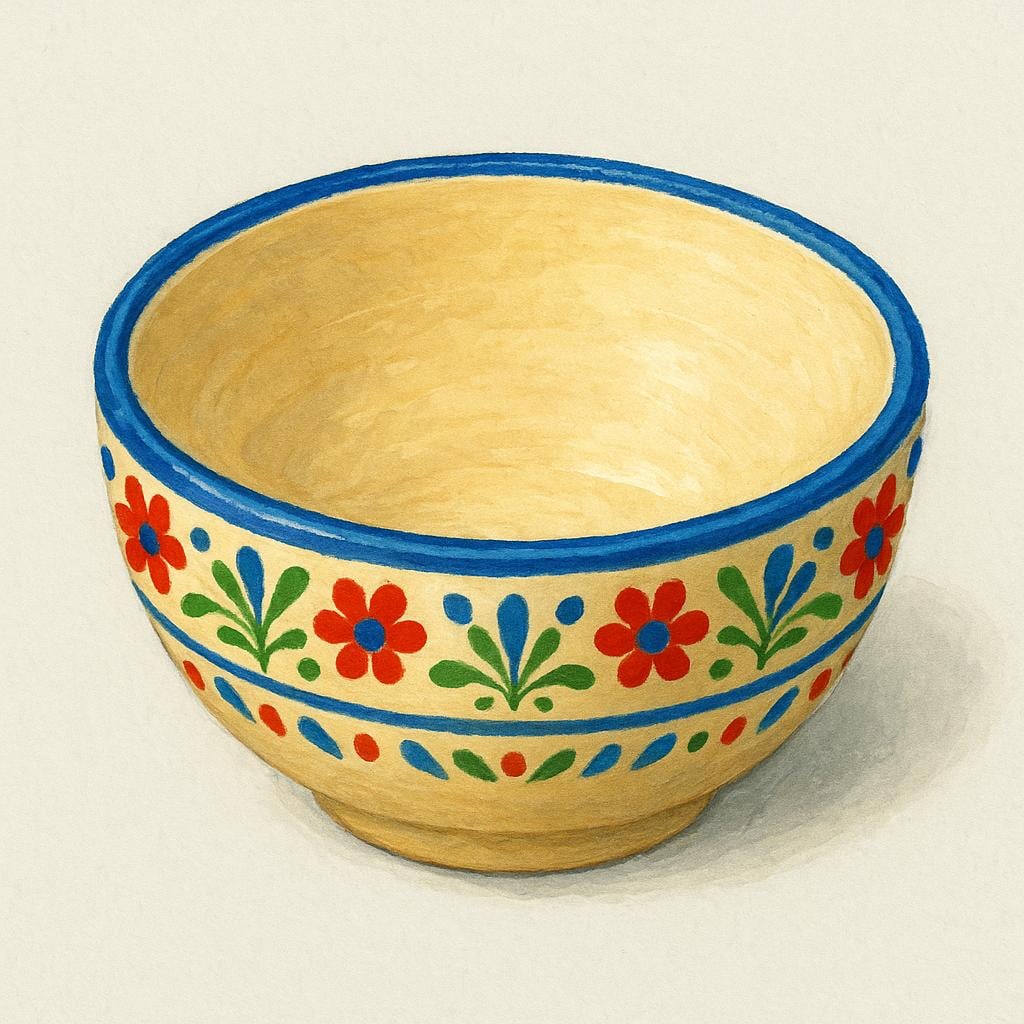
📝 In Action
La paella es un plato tradicional de España.
A1Paella is a traditional dish from Spain.
Mi abuela sigue las recetas tradicionales para el pan.
A2My grandmother follows the traditional recipes for bread.
Ellos tienen un estilo de vida muy tradicional.
B1They have a very traditional lifestyle.
Translate to Spanish
✏️ Quick Practice
Quick Quiz: tradicional
Question 1 of 1
¿Cuál de estas frases es correcta?
📚 More Resources
👥 Word Family▼
📚 Etymology▼
Comes directly from the Latin word *traditio*, which meant 'delivery, surrender, or handing down.' This core idea of 'handing something down through generations' is exactly why 'tradicional' refers to long-established customs.
First recorded: 15th century
Cognates (Related words)
💡 Master Spanish
Take your Spanish to the next level. Read 200+ illustrated and narrated Spanish stories tailored to your level with the Inklingo app!
Frequently Asked Questions
How is 'tradicional' different from 'viejo'?
'Viejo' simply means 'old' (referring to age or wear). 'Tradicional' refers to something that follows long-established customs or practices, regardless of how new or old the specific object itself is. A new shirt can be made in a 'traditional' style.