traseros
“traseros” means “rear” in Spanish. It has 2 different meanings depending on context:

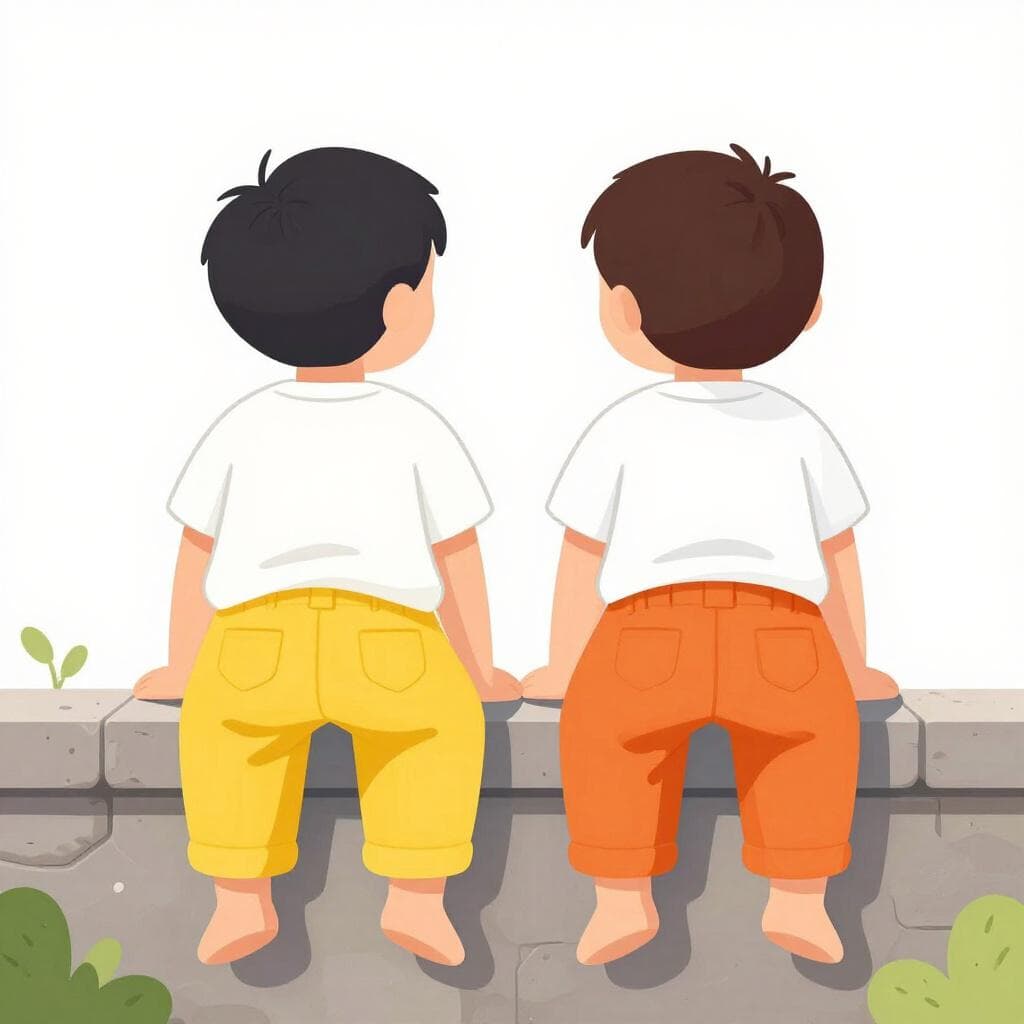
rear, back
Also: posterior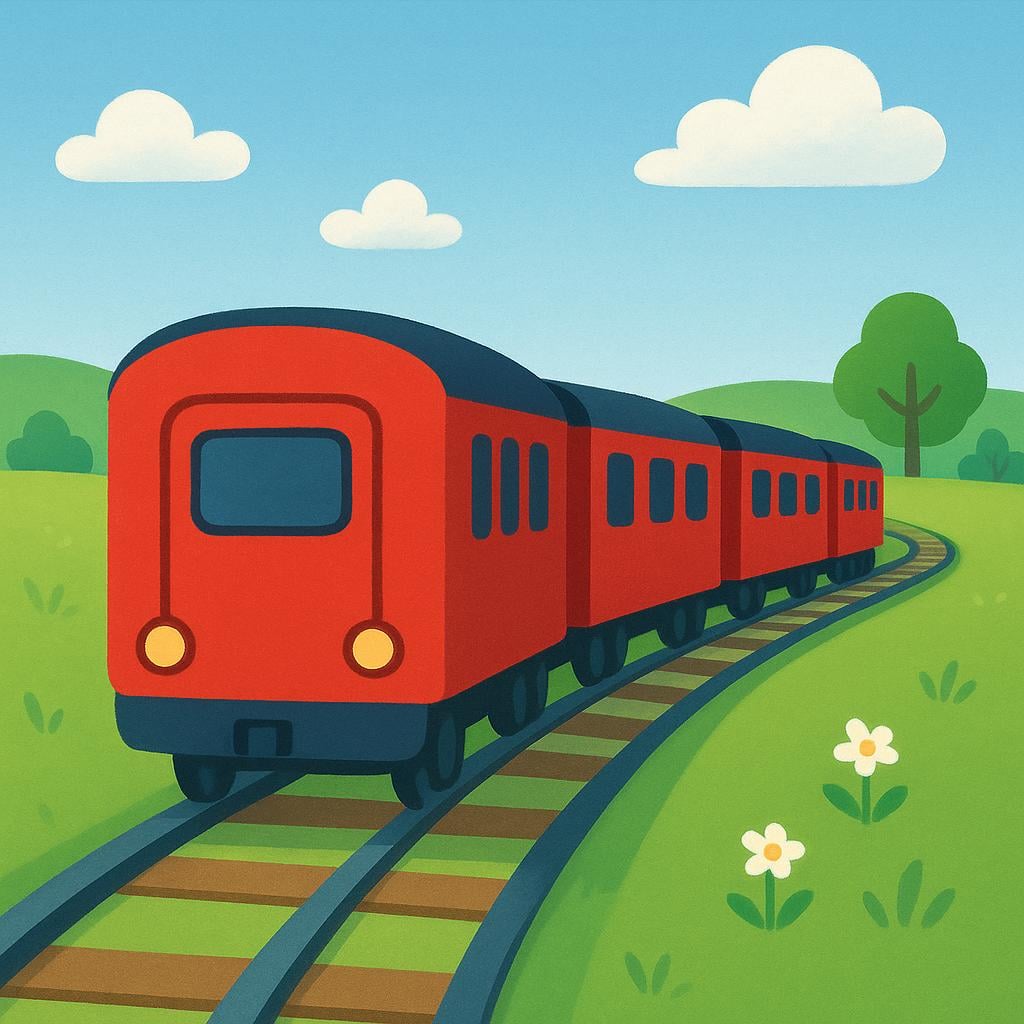
📝 In Action
Los neumáticos traseros necesitan ser cambiados.
A2The rear tires need to be changed.
Las puertas traseras están cerradas con llave.
B1The back doors are locked.
bottoms, rear ends
Also: behinds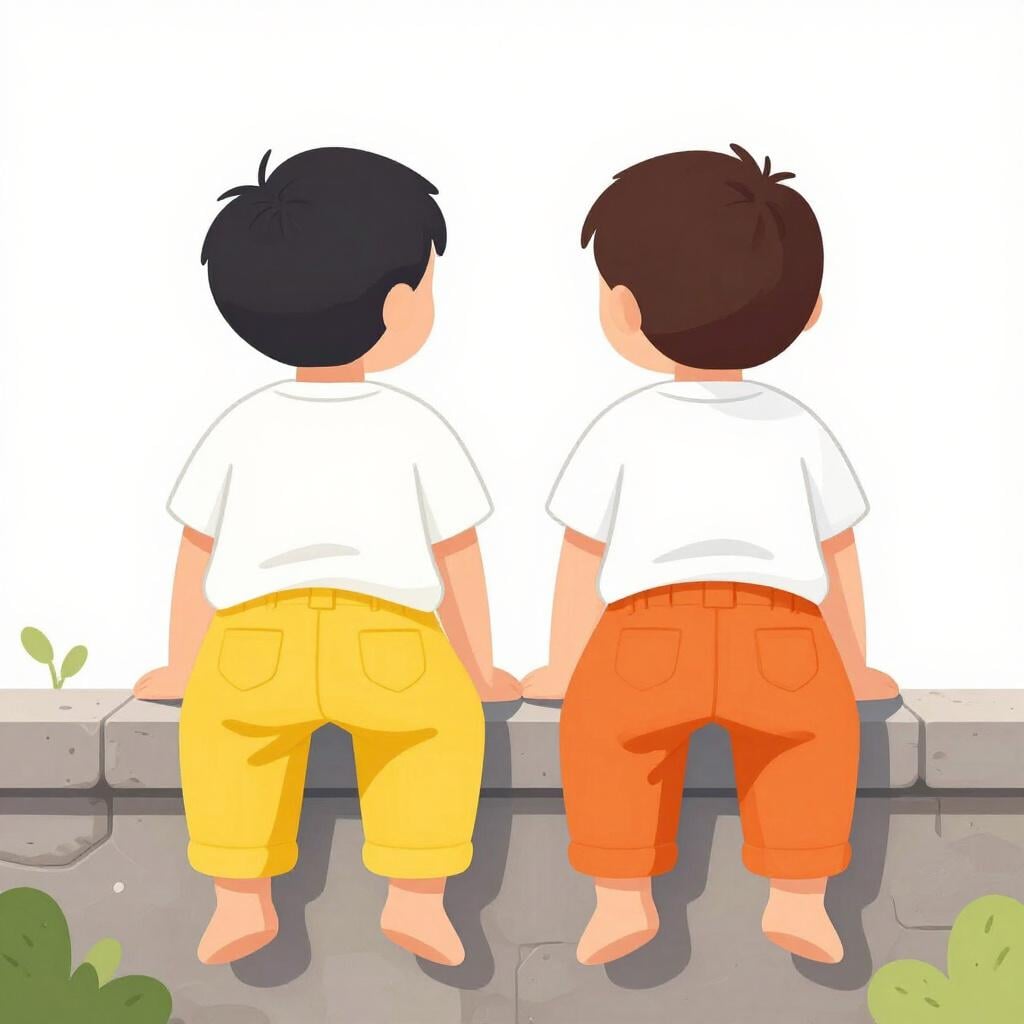
📝 In Action
Los niños se sentaron sobre sus traseros en el suelo.
B1The children sat down on their bottoms on the floor.
Tuvieron que caminar y les dolían los traseros.
B2They had to walk, and their rear ends hurt.
Translate to Spanish
✏️ Quick Practice
Quick Quiz: traseros
Question 1 of 2
Which sentence uses 'traseros' as a noun?
📚 More Resources
👥 Word Family▼
🎵 Rhymes▼
📚 Etymology▼
The word comes from the Spanish adverb/preposition 'tras' (meaning 'behind' or 'after'), combined with the suffix '-ero,' which is used to indicate a relationship or place. Thus, 'trasero' literally means 'that which is related to or situated behind.'
First recorded: Medieval Spanish
Cognates (Related words)
💡 Master Spanish
Take your Spanish to the next level. Read 200+ illustrated and narrated Spanish stories tailored to your level with the Inklingo app!
Frequently Asked Questions
Can I use 'traseros' to talk about the back of a person's head?
No. 'Traseros' specifically refers to the rear or back part of an object, vehicle, or the lower posterior body part (the bottom). To refer to the back of the head, you would usually use 'la nuca' or 'la parte posterior de la cabeza'.
Is 'traseros' a formal or informal word for 'bottoms'?
It's generally considered neutral and gentle, much like 'bottom' or 'rear end' in English. It is less formal than the medical term 'glúteos' but much less vulgar than slang terms like 'culos'.