tómate
“tómate” means “take (it for yourself)” in Spanish. It has 2 different meanings depending on context:

take (it for yourself), drink (this), eat (this)
Also: have (a rest)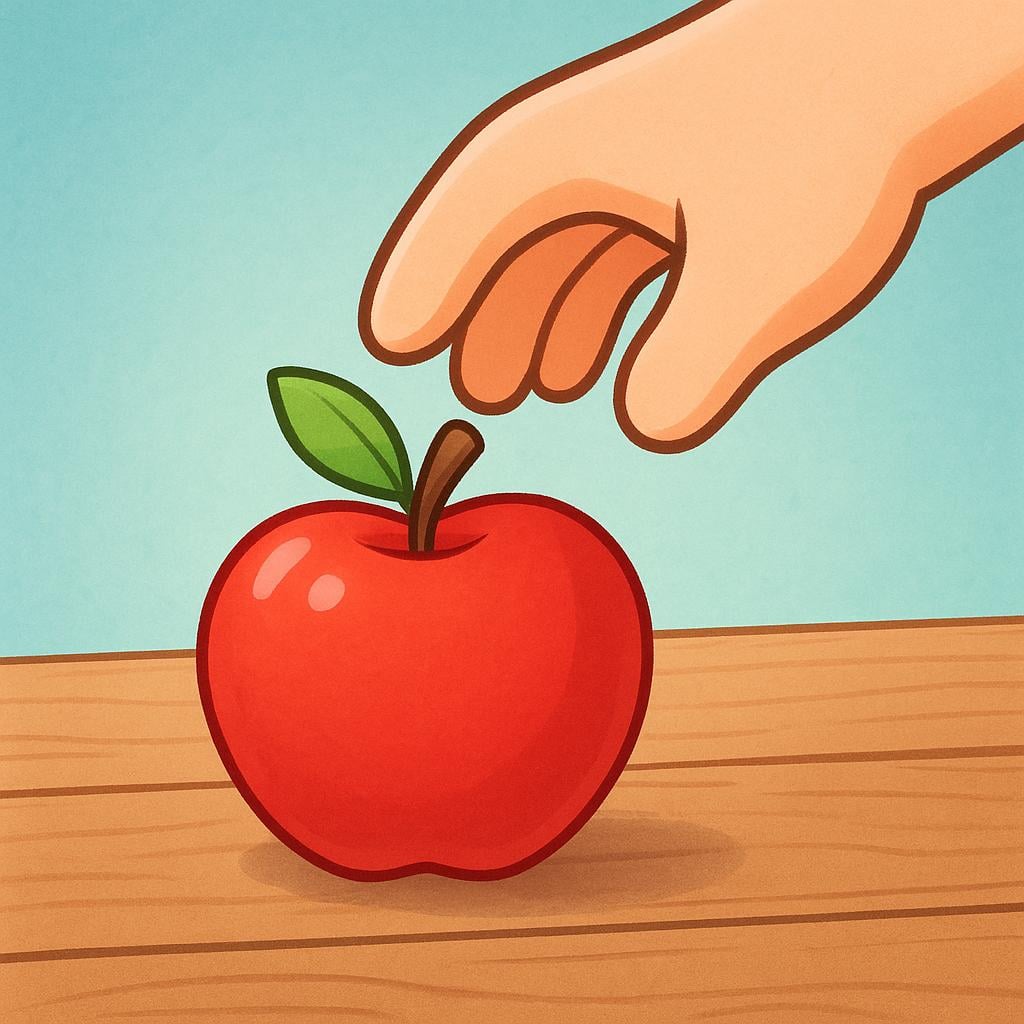
📝 In Action
Tómate la medicina antes de acostarte.
A2Take the medicine before you go to bed.
¡Tómate un descanso, has trabajado mucho!
B1Take a break, you have worked a lot!
Tómate tu tiempo para decidir, no hay prisa.
B1Take your time to decide, there is no rush.
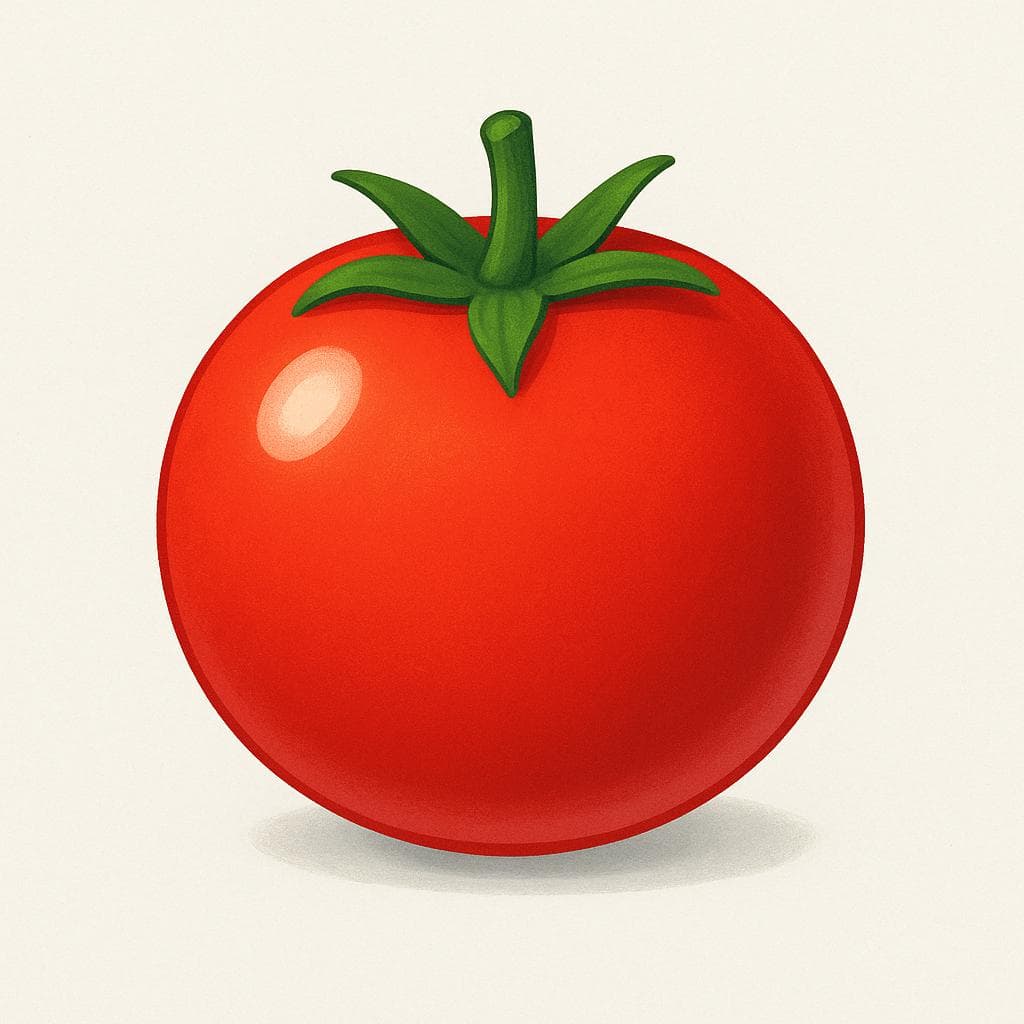
tomato

📝 In Action
Necesito un tómate para la ensalada.
A1I need a tomato for the salad.
El jugo de tómate es muy refrescante.
A1Tomato juice is very refreshing.
🔄 Conjugations
indicative
present
imperfect
preterite
subjunctive
present
imperfect
✏️ Quick Practice
Quick Quiz: tómate
Question 1 of 2
Which sentence uses 'tómate' as a command?
📚 More Resources
👥 Word Family▼
🎵 Rhymes▼
📚 Etymology▼
The noun *tomate* comes from the Nahuatl word *tomatl* (via Mexican Spanish), referring to the fruit brought to Europe after the conquest. The verb form *tómate* comes from the Latin *tomare* (to cut/take). The two words have completely separate origins!
First recorded: 16th century (in Spanish texts)
Cognates (Related words)
💡 Master Spanish
Take your Spanish to the next level. Read 200+ illustrated and narrated Spanish stories tailored to your level with the Inklingo app!
Frequently Asked Questions
Why does 'tómate' have an accent mark, while 'tomate' usually doesn't?
The word 'tómate' (with the accent) is a command form of the verb 'tomar' combined with a pronoun. The accent mark is required to show where the word is stressed, following the rules for combined verbs. The noun 'tomate' (the fruit) is usually stressed on the second-to-last syllable, so it doesn't need an accent.
Is 'tómate' the same as 'jitomate'?
In Mexico, 'jitomate' is the standard word for the common red tomato. 'Tómate' (or just 'tomate') can sometimes be used interchangeably, but historically, 'tomate' referred to the smaller green tomatillo.