Inklingo

usaba

/oo-SAH-bah/

I used to use

A high quality storybook illustration of a young child happily holding a large magnifying glass close to their eye, examining a small flower on the ground.

Usaba: This child used to use this magnifying glass often to explore the world.

usaba(verb)

A1regular ar

I used to use

?

past habit

,

he/she/it was using

?

ongoing action in the past

,

you (formal) used

?

past description

Also:

I utilized

?

formal synonym

📝 In Action

Yo usaba esa bicicleta todos los días para ir al trabajo.

A1

I used to use that bicycle every day to go to work.

Ella usaba una computadora muy vieja cuando la conocí.

A2

She was using a very old computer when I met her.

Usted usaba el cajón de la izquierda para guardar los documentos.

B1

You (formal) used the left drawer to keep the documents.

Word Connections

Synonyms

  • empleaba (I/he/she was employing)
  • utilizaba (I/he/she was utilizing)

Antonyms

  • desechaba (I/he/she was discarding)

Common Collocations

  • usar la fuerzato use force
  • usar el tiempoto spend time

💡 Grammar Points

The Imperfect (Habitual Past)

"Usaba" is the imperfect past tense. It tells you about actions that happened repeatedly or continuously in the past, like a habit or a background setting.

Who is 'Usaba'?

This single form, 'usaba,' can mean 'I used to use' (yo), 'he used to use' (él), 'she used to use' (ella), or 'you formal used to use' (usted). Context is key to knowing who is doing the action!

❌ Common Pitfalls

Imperfect vs. Preterite

Mistake: "When talking about a single, completed action in the past, learners sometimes say 'Yo usaba el coche ayer.'"

Correction: Use the preterite: 'Yo usé el coche ayer' (I used the car yesterday). 'Usaba' is for habits or descriptions, not single events.

⭐ Usage Tips

Describing Childhood

The imperfect ('usaba') is perfect for describing how things were in the past: 'De niño, yo usaba patines' (As a child, I used to wear/use skates).

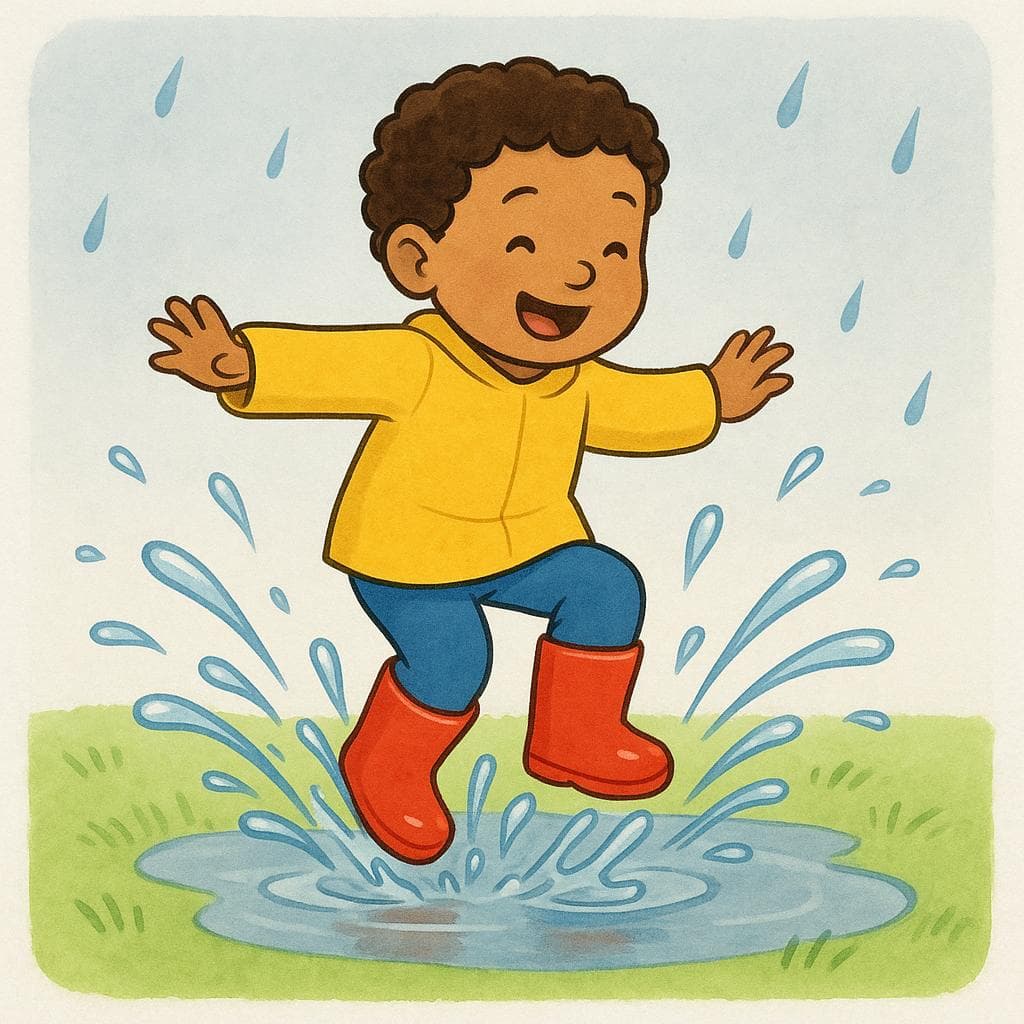
A high quality storybook illustration of a small child wearing bright red rain boots, joyfully jumping and splashing water in a shallow puddle.

Usaba: She used to wear those red boots every time it rained.

usaba(verb)

A2regular ar

I used to wear

?

clothing or accessories (past habit)

,

he/she was wearing

?

description of appearance in the past

Also:

I was accustomed to wearing

?

past custom

📝 In Action

Mi abuela siempre usaba un pañuelo de seda en la cabeza.

A2

My grandmother always wore a silk scarf on her head.

Él usaba gafas, pero ahora usa lentes de contacto.

B1

He used to wear glasses, but now he wears contact lenses.

Word Connections

Synonyms

  • vestía (I/he/she used to dress)
  • llevaba (I/he/she was wearing/carrying)

💡 Grammar Points

Wearing vs. Putting On

'Usaba' describes the state of wearing something (a continuous action or habit). If you want to say someone 'put on' an item (a single, completed action), you would use the preterite: 'se puso' (he put on).

⭐ Usage Tips

Using 'Llevar'

In many Spanish-speaking regions, the verb 'llevar' (to carry) is also very commonly used, and sometimes preferred, to mean 'to wear.' Both 'llevaba' and 'usaba' are correct for past habits.

🔄 Conjugations

indicative

present

él/ella/ustedusa
youso
usas
ellos/ellas/ustedesusan
nosotrosusamos
vosotrosusáis

imperfect

él/ella/ustedusaba
yousaba
usabas
ellos/ellas/ustedesusaban
nosotrosusábamos
vosotrosusabais

preterite

él/ella/ustedusó
yousé
usaste
ellos/ellas/ustedesusaron
nosotrosusamos
vosotrosusasteis

subjunctive

present

él/ella/usteduse
youse
uses
ellos/ellas/ustedesusen
nosotrosusemos
vosotrosuséis

imperfect

él/ella/ustedusara/usase
yousara/usase
usaras/usases
ellos/ellas/ustedesusaran/usasen
nosotrosusáramos/usásemos
vosotrosusarais/usaseis

✏️ Quick Practice

💡 Quick Quiz: usaba

Question 1 of 2

Which sentence correctly uses 'usaba' to describe a past habit?

📚 More Resources

Word Family

Frequently Asked Questions

Does 'usaba' mean 'I used to' or 'he/she used to'?

It can mean either! 'Usaba' is the imperfect form for 'yo' (I), 'él' (he), 'ella' (she), and 'usted' (you formal). You must look at the subject of the sentence to know who is doing the action.

How is 'usaba' different from 'usé'?

'Usaba' (imperfect) describes actions that were ongoing, repeated, or habitual in the past (e.g., 'I used to use'). 'Usé' (preterite) describes a single action that was completed at a specific point in the past (e.g., 'I used [it] once').