vacío
“vacío” means “empty” in Spanish. It has 3 different meanings depending on context:



emptyAlso: vacant, hollow

📝 In Action
El vaso estaba vacío después de que bebí todo.
A1The glass was empty after I drank everything.
Sus palabras sonaron vacías y sin sinceridad.
B1His words sounded hollow and insincere.
La oficina se siente vacía sin ti.
A2The office feels empty without you.
Word Connections
void, emptinessAlso: vacuum, gap

📝 In Action
Sintió un gran vacío en su vida después de mudarse.
B1He felt a great void/emptiness in his life after moving.
El astronauta flotaba en el vacío del espacio.
B2The astronaut floated in the vacuum of space.
Hay un vacío enorme entre lo que dice y lo que hace.
C1There is an enormous gap between what he says and what he does.
Word Connections
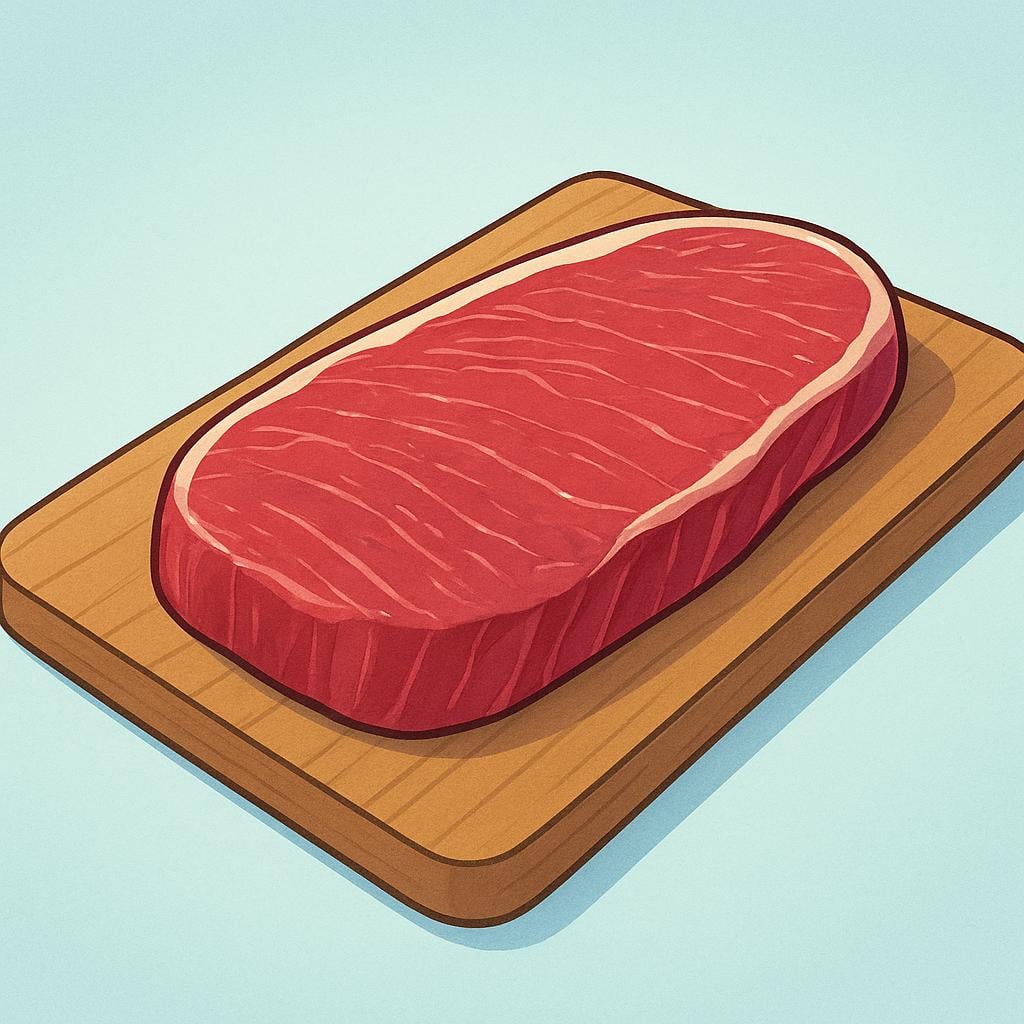
flank steakAlso: skirt steak
📝 In Action
Para el asado, compramos un kilo de vacío.
B2For the barbecue, we bought a kilo of flank steak.
El vacío a la parrilla es mi plato favorito.
B2Grilled flank steak is my favorite dish.
Word Connections
✏️ Quick Practice
Quick Quiz: vacío
Question 1 of 1
Which sentence uses 'vacío' as a noun describing a feeling of absence or loss?
📚 More Resources
👥 Word Family
🎵 Rhymes
📚 Etymology
The word 'vacío' comes directly from the Latin word *vacīvus*, meaning 'empty' or 'unoccupied'. This root also gave rise to words like 'vacation' and 'vacuum' in English, showing its long history related to absence or space.
First recorded: 13th century
Cognates (Related words)
💡 Master Spanish
Take your Spanish to the next level. Read 200+ illustrated and narrated Spanish stories tailored to your level with the Inklingo app!
Frequently Asked Questions
Is 'vacío' related to the verb 'vaciar'?
Yes, absolutely! 'Vaciar' means 'to empty' (like emptying a cup), and 'vacío' is the adjective describing something that *has been* emptied. 'Vacío' is also the 'yo' (I) form of the verb 'vaciar' in the present tense: 'Yo vacío la botella' (I empty the bottle).
How do I know if 'vacío' refers to 'empty' or 'flank steak'?
Context is key! If you are talking about food, especially barbecue, in Argentina or Uruguay, it means flank steak. In all other contexts, especially when describing objects or feelings, it means 'empty' or 'void'.