vampiros
“vampiros” means “vampires” in Spanish (mythological or fictional creatures).
vampires
Also: blood-suckers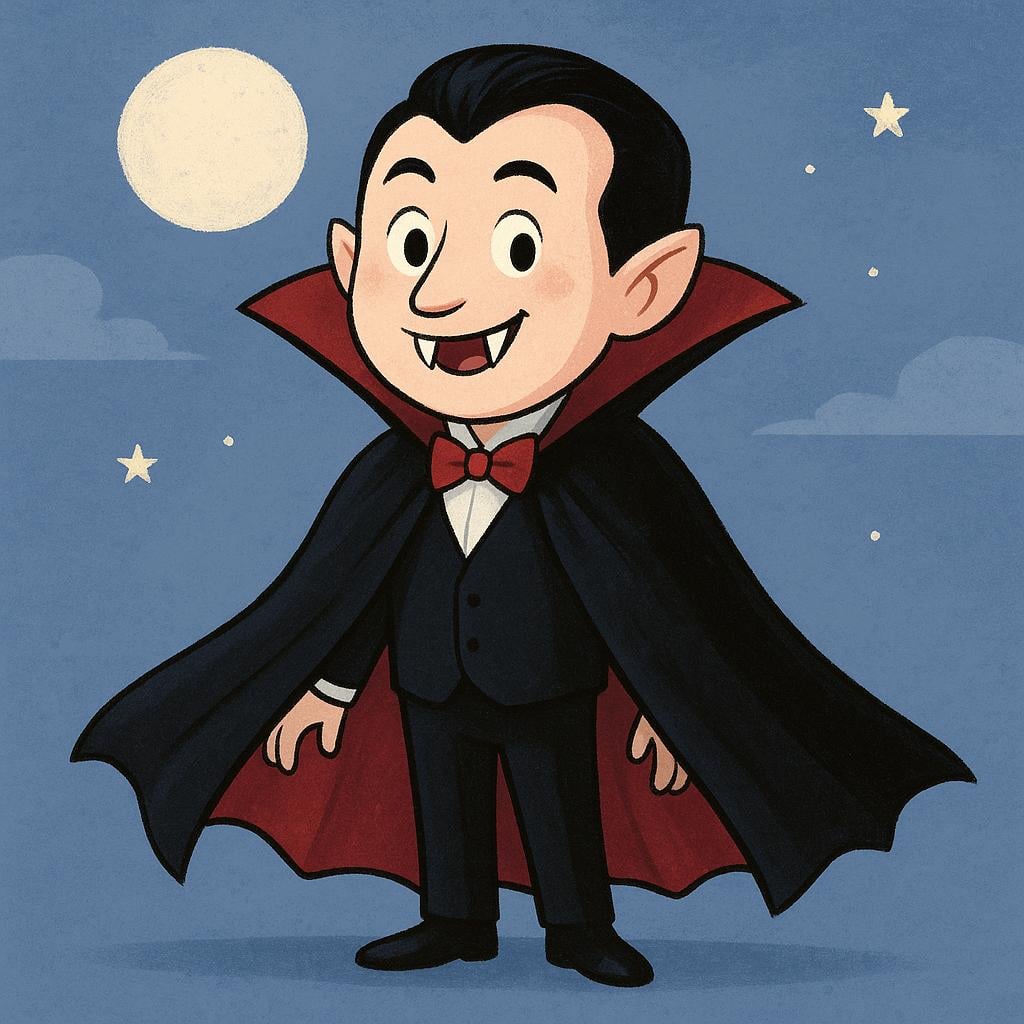
📝 In Action
En la historia clásica, los vampiros duermen en ataúdes durante el día.
B1In the classic story, vampires sleep in coffins during the day.
Mi hermano pequeño cree que los murciélagos son vampiros disfrazados.
A2My little brother believes that bats are vampires in disguise.
La película trata sobre un grupo de cazadores de vampiros.
B1The movie is about a group of vampire hunters.
Translate to Spanish
✏️ Quick Practice
Quick Quiz: vampiros
Question 1 of 2
Which item is traditionally used to repel 'vampiros' in folklore?
📚 More Resources
👥 Word Family▼
🎵 Rhymes▼
📚 Etymology▼
The word entered Spanish relatively late, borrowed from European languages (likely French or German) which themselves adopted it from Slavic folklore. The original Slavic root described a creature that drinks blood.
First recorded: 18th century (in major European languages, popularized through literature)
Cognates (Related words)
💡 Master Spanish
Take your Spanish to the next level. Read 200+ illustrated and narrated Spanish stories tailored to your level with the Inklingo app!
Frequently Asked Questions
Since 'vampiros' is plural, what is the singular form?
The singular masculine noun is 'vampiro'. If you are specifically talking about a female, the singular form is 'vampira'.
¿Es 'vampiros' una palabra común?
Sí, es una palabra muy común. Aunque es parte del vocabulario de fantasía, es reconocida universalmente gracias a las películas y los libros.