vasos
“vasos” means “glasses” in Spanish. It has 3 different meanings depending on context:


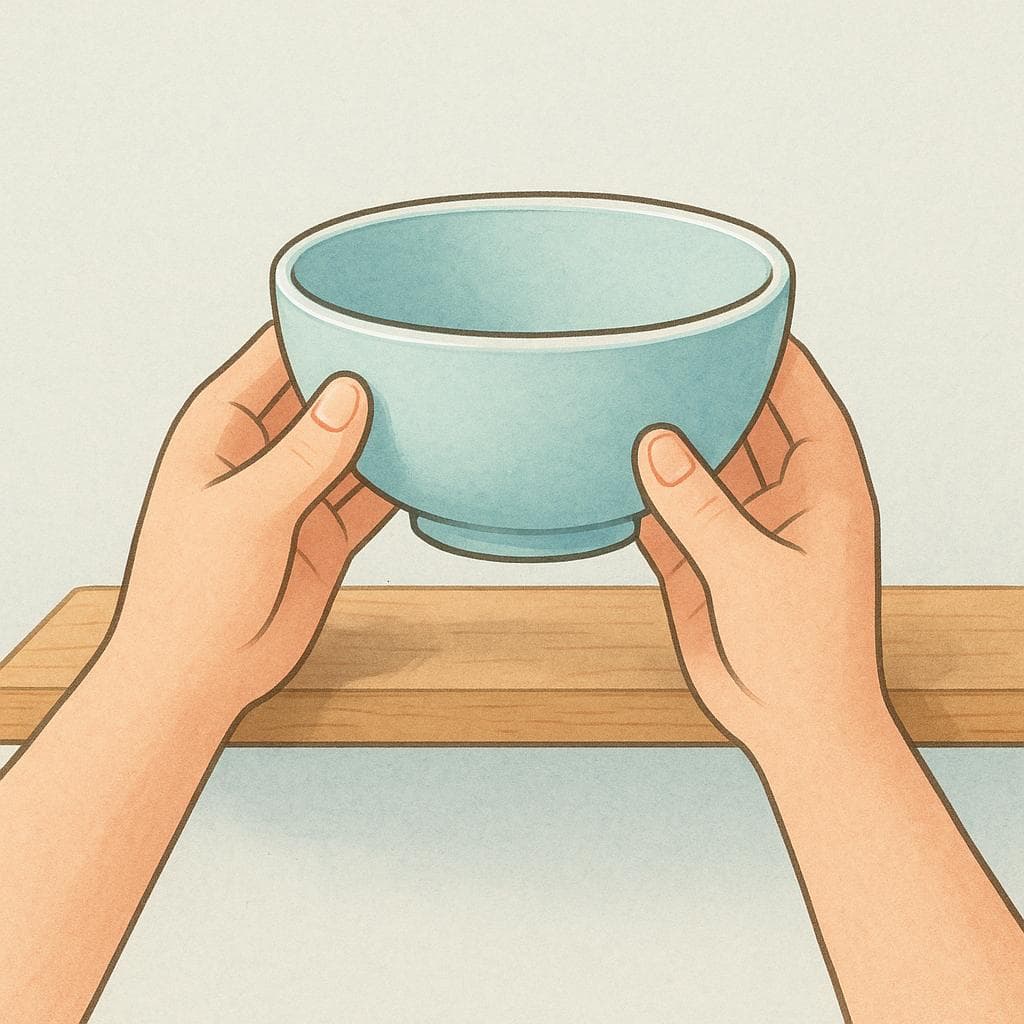
glasses, cups
Also: tumblers
📝 In Action
Por favor, ¿puedes poner cuatro vasos en la mesa?
A1Please, can you put four glasses on the table?
Se me cayeron los vasos y se rompieron todos.
A2The glasses fell and they all broke.
vessels
Also: tubes
📝 In Action
Los vasos sanguíneos son esenciales para transportar oxígeno.
B2Blood vessels are essential for transporting oxygen.
El cirujano examinó los vasos linfáticos de la zona afectada.
C1The surgeon examined the lymphatic vessels of the affected area.
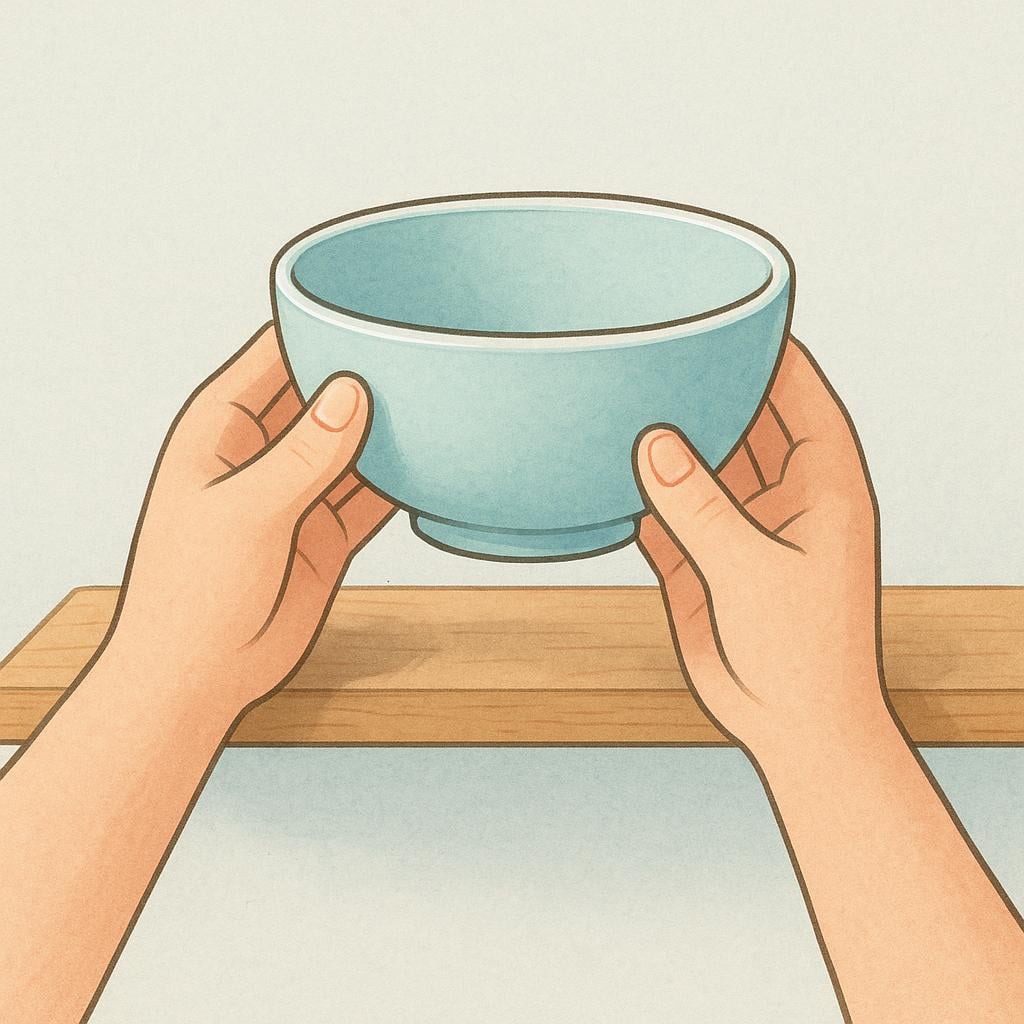
you (all) place on a stand/base
📝 In Action
Vosotros vasos las piezas de cerámica con cuidado.
C2You all place the ceramic pieces on the bases carefully. (Used almost exclusively in very technical descriptions.)
Indicative
Present
Imperfect
Preterite
Subjunctive
Present Subjunctive
Imperfect Subjunctive
✏️ Quick Practice
Quick Quiz: vasos
Question 1 of 2
Which sentence uses 'vasos' in its most common, everyday meaning?
📚 More Resources
👥 Word Family▼
📚 Etymology▼
The word comes from the Latin word *vasum*, which originally meant 'vessel' or 'container.' This explains why 'vasos' can refer to both drinking glasses and blood vessels in the body.
First recorded: Around the 13th century (in Romance languages)
Cognates (Related words)
💡 Master Spanish
Take your Spanish to the next level. Read 200+ illustrated and narrated Spanish stories tailored to your level with the Inklingo app!
Frequently Asked Questions
¿Cuál es la diferencia entre 'vaso' y 'copa'?
'Vaso' is a general term for a container, usually cylindrical and without a stem (like a tumbler). 'Copa' is specifically a glass with a stem, typically used for wine or cocktails.
Does 'vasos' only refer to containers made of glass?
No. Although the material is 'vidrio' or 'cristal,' the word 'vaso' can be used for a plastic cup, a paper cup, or any drinking container of that shape.