Inklingo

vestir

/ves-TIR/

to dress

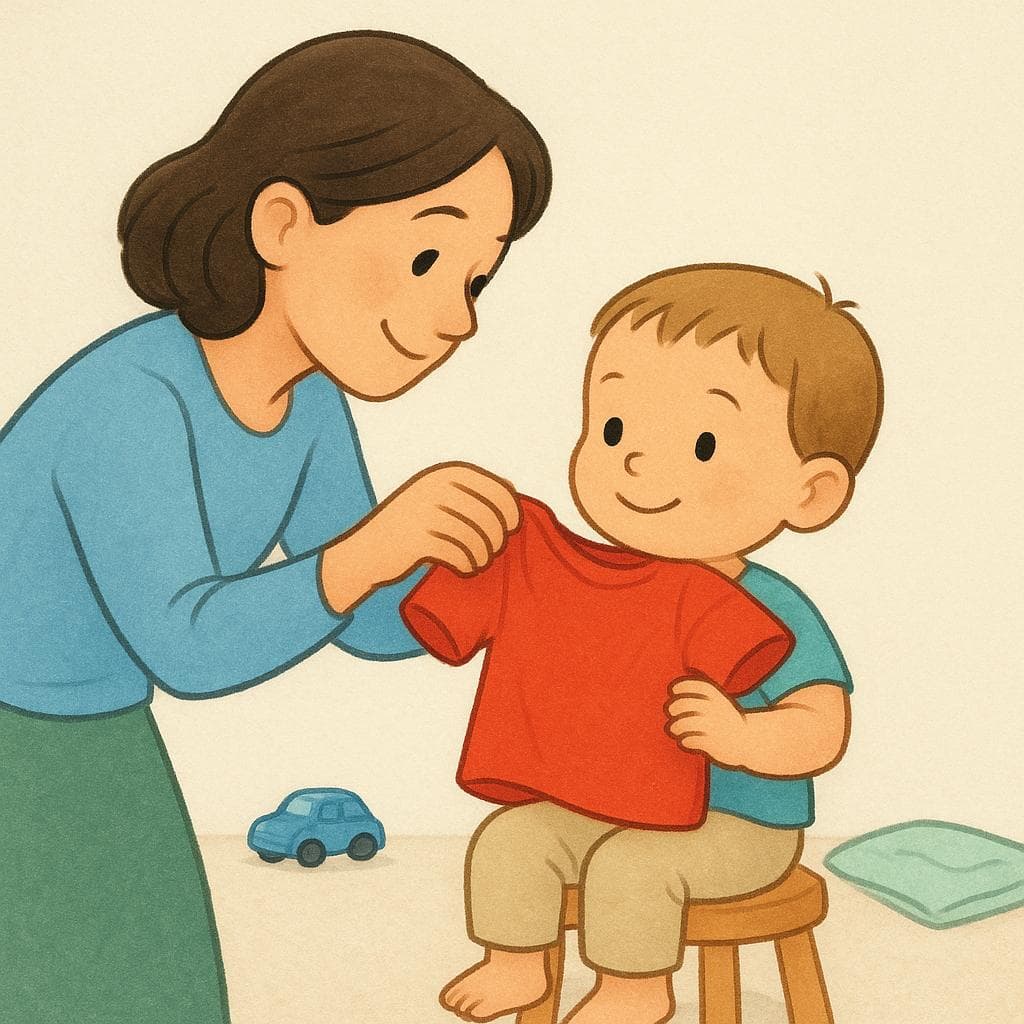
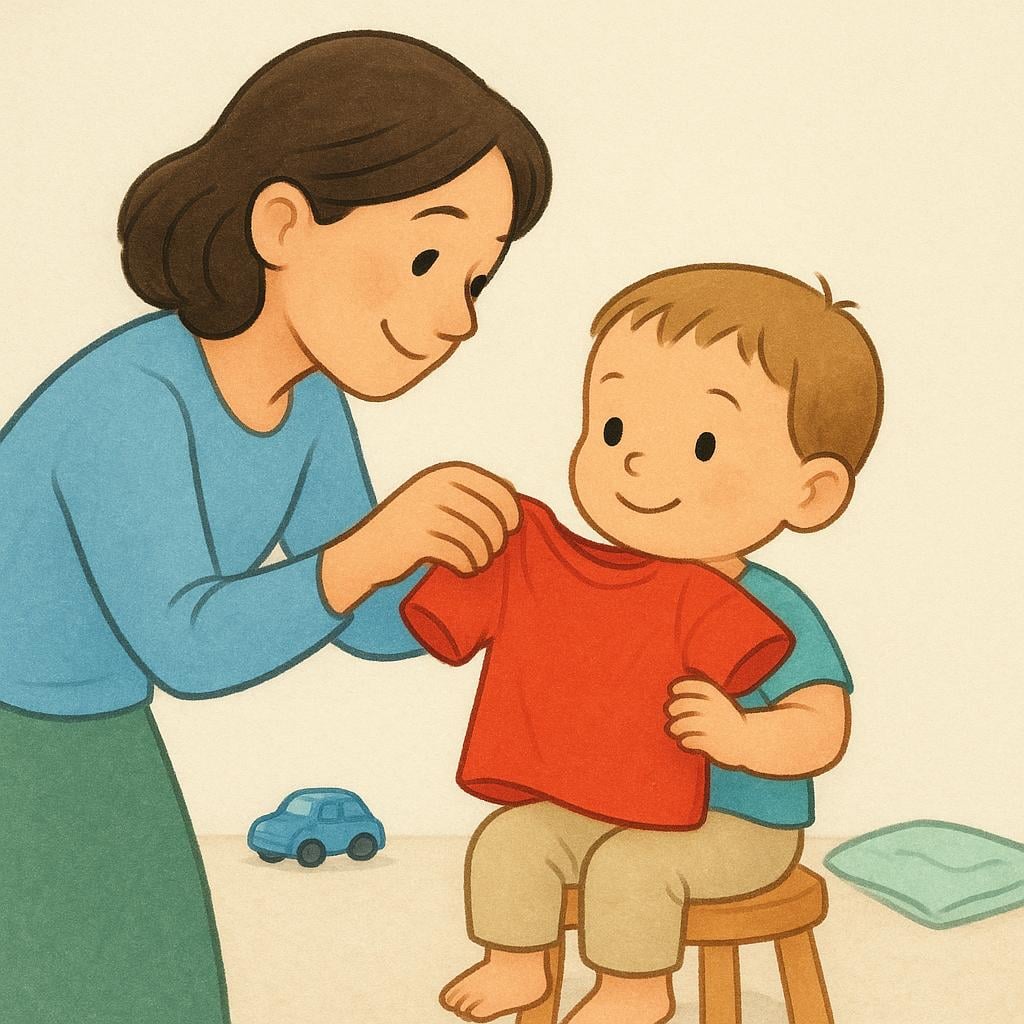
A mother gently pulling a bright red shirt over the head of her smiling young child.

Vestir: When you dress someone else, like a parent dressing a child.

vestir(Verb)

A1irregular (e > i stem change) ir

to dress

?

to put clothes on someone else

,

to clothe

?

formal/literary

Also:

to attire

?

formal

📝 In Action

La niñera tiene que vestir a los gemelos antes de las ocho.

A1

The nanny has to dress the twins before eight o'clock.

Mi abuela me vistió para mi primera comunión.

A2

My grandmother dressed me for my first communion.

Word Connections

Synonyms

  • poner ropa (to put clothes on)
  • ataviar (to adorn)

Antonyms

  • desvestir (to undress (someone))

Common Collocations

  • vestir a la modato dress fashionably
  • vestir a los niñosto dress the children

💡 Grammar Points

Stem-Changing Verb (e > i)

In many forms, the 'e' in the middle of the verb stem changes to an 'i'. For example, 'yo visto' (I dress), not 'yo vesto'. This happens whenever the stress falls on the stem.

The 'Nosotros/Vosotros' Exception

The 'e > i' change is skipped for the 'we' (nosotros) and informal 'you all' (vosotros) forms in the present tense. We say 'vestimos', not 'vistimos'.

❌ Common Pitfalls

Confusing 'Vestir' and 'Llevar'

Mistake: "Using 'vestir' when you mean 'to wear' a specific item (e.g., *Yo visto una camisa*)."

Correction: Use 'llevar' or 'ponerse' for wearing items: 'Yo llevo una camisa' (I wear a shirt). Use 'vestir' for the action of dressing someone or describing a style.

⭐ Usage Tips

Use for Style

You can use this meaning to describe how someone dresses generally: 'Ella viste muy elegante' (She dresses very elegantly).

A person standing, actively pulling up the zipper of a blue jacket they are wearing.

Vestir: When you get dressed, putting clothes on yourself.

vestir(Verb)

A1reflexive (vestirse) ir

to get dressed

?

putting clothes on oneself

,

to dress oneself

?

explicitly emphasizing the subject

Also:

to put on one's clothes

?

describing the action

📝 In Action

Me visto rápidamente todas las mañanas para ir al trabajo.

A1

I get dressed quickly every morning to go to work.

Mi hijo ya puede vestirse solo, no necesita ayuda.

A2

My son can already dress himself, he doesn't need help.

¿A qué hora te vas a vestir para la fiesta?

B1

What time are you going to get dressed for the party?

Word Connections

Synonyms

  • arreglarse (to get ready)
  • ponerse la ropa (to put on clothes)

Antonyms

  • desvestirse (to get undressed)

Common Collocations

  • vestirse deprisato get dressed quickly
  • vestirse eleganteto dress elegantly

💡 Grammar Points

The Reflexive Pronoun

When you dress yourself, you must use a reflexive pronoun (me, te, se, nos, os, se). This pronoun shows that the action comes back to the person doing it.

Pronoun Placement

The pronoun usually goes before the conjugated verb ('Me visto') or attached to the end of the infinitive ('Voy a vestirme').

❌ Common Pitfalls

Forgetting the Reflexive Pronoun

Mistake: "Saying 'Yo visto' when you mean 'I get dressed'."

Correction: If you are dressing yourself, you must say 'Yo me visto'. 'Yo visto' means 'I dress someone else'.

⭐ Usage Tips

Daily Routine Vocabulary

Memorize 'vestirse' as a key part of talking about your daily routine, along with 'despertarse' (to wake up) and 'ducharse' (to shower).

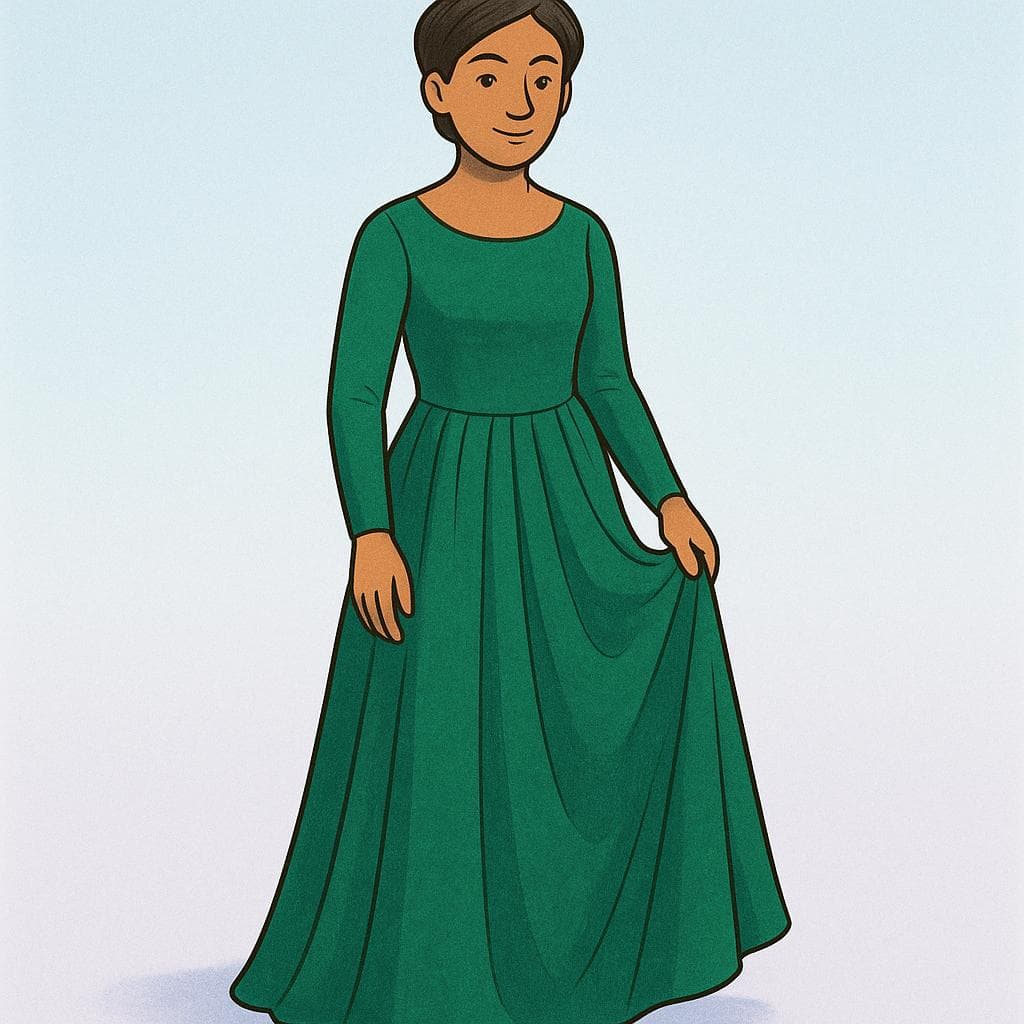
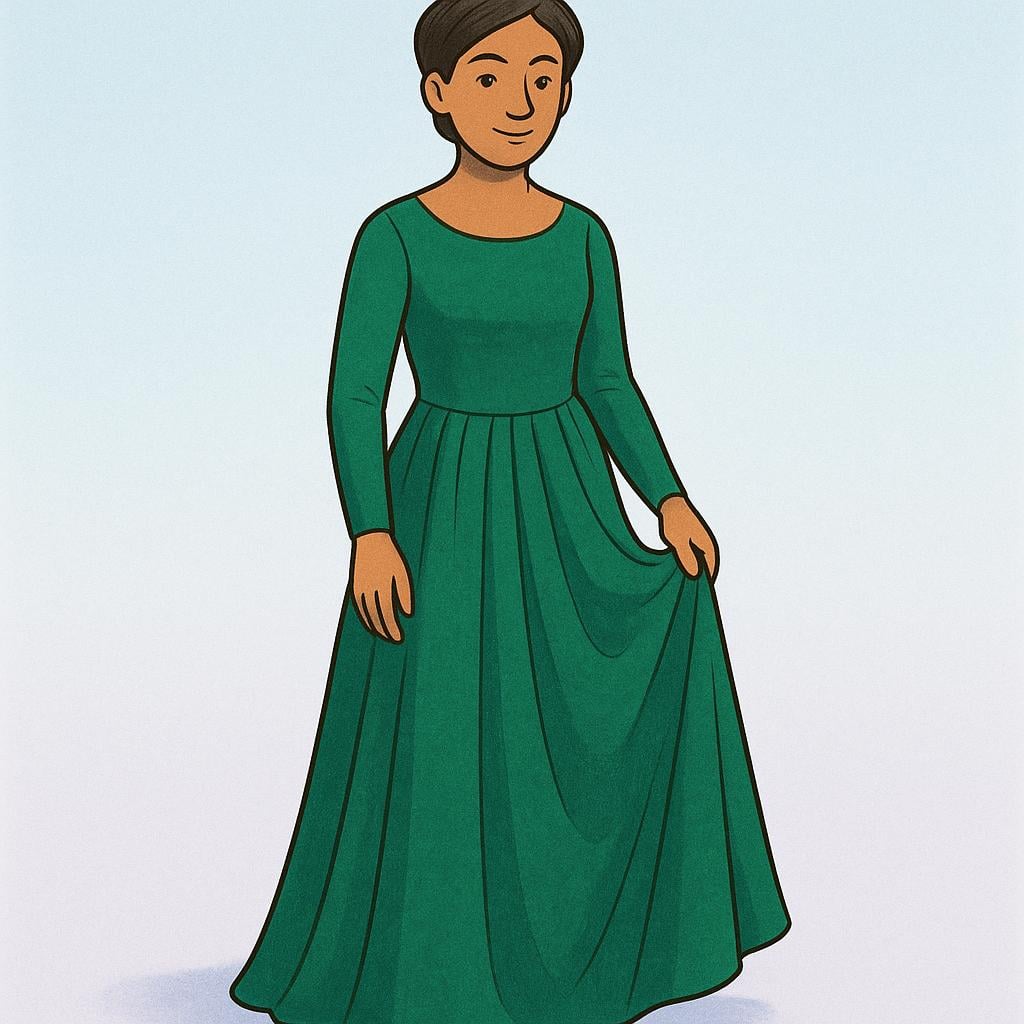
A person standing, showcasing a long, elegant emerald green dress they are wearing.

Vestir: Used to describe what a person is wearing or dressed in.

vestir(Verb)

B1irregular (e > i stem change) ir

to wear

?

to be dressed in a certain color/style

,

to drape

?

to cover or decorate a space

Also:

to dress (in a uniform)

?

describing mandatory attire

📝 In Action

Todos los estudiantes visten de azul marino.

B1

All the students wear navy blue (uniforms).

La sala estaba vestida de flores blancas para la boda.

B2

The room was draped/decorated with white flowers for the wedding.

Ese actor siempre viste ropa de diseñador.

B1

That actor always wears designer clothes.

Word Connections

Synonyms

  • llevar puesto (to wear)
  • adornar (to decorate)

Common Collocations

  • vestir de lutoto wear mourning clothes
  • vestir casualto dress casually

💡 Grammar Points

Using 'De' for Color/Style

When describing the color or material of clothing someone is wearing, 'vestir' is often followed by the preposition 'de' (e.g., 'vestir de negro').

⭐ Usage Tips

Describing Spaces

In a figurative sense, 'vestir' can describe how a room or table is decorated or covered, giving it a stylish look.

🔄 Conjugations

indicative

preterite

él/ella/ustedvistió
ellos/ellas/ustedesvistieron
vosotrosvestisteis
nosotrosvestimos
yovestí
vestiste

present

él/ella/ustedviste
ellos/ellas/ustedesvisten
vosotrosvestís
nosotrosvestimos
yovisto
vistes

imperfect

él/ella/ustedvestía
ellos/ellas/ustedesvestían
vosotrosvestíais
nosotrosvestíamos
yovestía
vestías

subjunctive

present

él/ella/ustedvista
ellos/ellas/ustedesvistan
vosotrosvistáis
nosotrosvistamos
yovista
vistas

imperfect

él/ella/ustedvistiera
ellos/ellas/ustedesvistieran
vosotrosvistierais
nosotrosvistiéramos
yovistiera
vistieras

✏️ Quick Practice

💡 Quick Quiz: vestir

Question 1 of 2

Which sentence correctly uses the reflexive form of 'vestir' (vestirse)?

📚 More Resources

Frequently Asked Questions

What is the difference between 'vestir' and 'llevar' when talking about clothes?

'Vestir' means 'to dress' (the action of putting clothes on someone else) or 'to dress in a certain style.' 'Llevar' is the standard verb for 'to wear' a specific item of clothing or accessory (e.g., 'Llevo un sombrero' — I am wearing a hat).

Why does the 'nosotros' form not change its stem (e.g., vestimos, not vistimos)?

In Spanish stem-changing verbs, the 'we' (nosotros) and 'you all' (vosotros) forms usually skip the irregular change. This is because the stress of the word falls outside of the verb stem in those two forms.