villa
“villa” means “town” in Spanish. It has 2 different meanings depending on context:
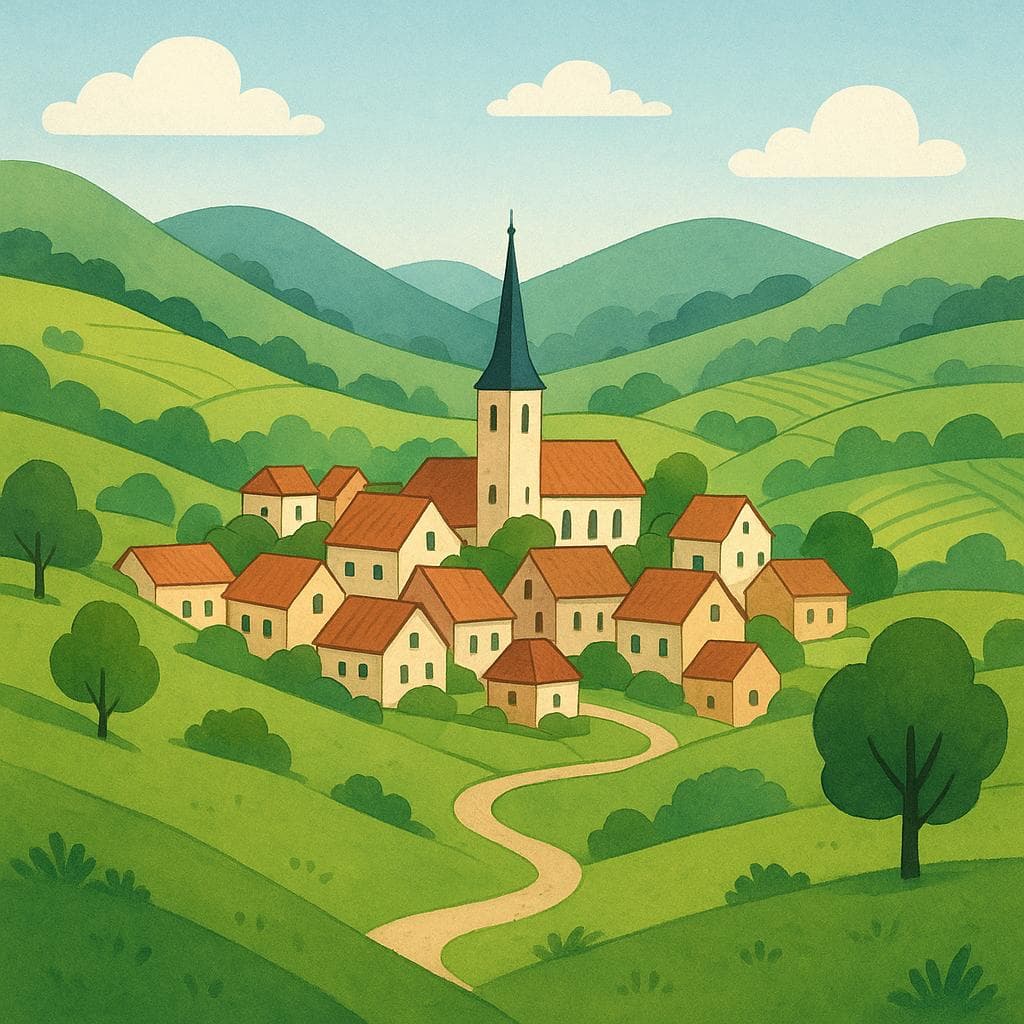

town
Also: small city, large village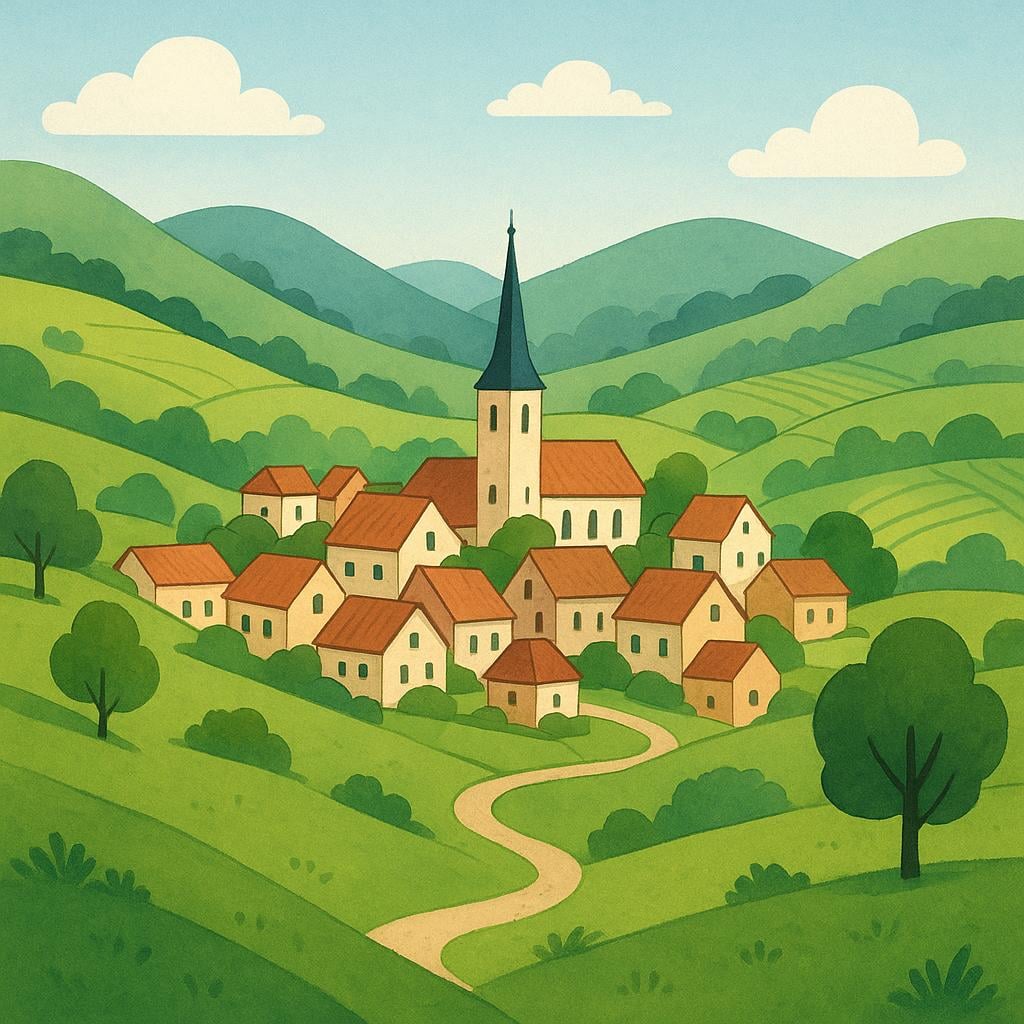
📝 In Action
Mi abuela vive en una villa tranquila cerca de la costa.
A2My grandmother lives in a quiet town near the coast.
Esta villa celebra un festival de cine cada año.
B1This town holds a film festival every year.
Las villas medievales solían estar amuralladas.
C1Medieval towns used to be walled.
villa
Also: mansion, large detached house
📝 In Action
Alquilamos una villa con piscina privada para nuestras vacaciones.
B1We rented a villa with a private pool for our vacation.
La villa tiene vistas espectaculares al mar.
B1The villa has spectacular views of the sea.
Compraron una antigua villa romana y la restauraron.
B2They bought an old Roman villa (estate) and restored it.
Translate to Spanish
✏️ Quick Practice
Quick Quiz: villa
Question 1 of 1
Which sentence uses 'villa' in the sense of a luxurious house?
📚 More Resources
📚 Etymology▼
Comes directly from the Latin word *villa*, which originally meant 'country house' or 'farmstead.' Over time, this term was extended to mean the settlement or community that grew around such an estate, leading to the two modern meanings.
First recorded: Documented in Spanish texts since the early Middle Ages (around the 10th century).
Cognates (Related words)
💡 Master Spanish
Take your Spanish to the next level. Read 200+ illustrated and narrated Spanish stories tailored to your level with the Inklingo app!
Frequently Asked Questions
What is the difference between 'villa' and 'pueblo'?
'Pueblo' generally means 'village' or 'small town' and is the most common term for a small settlement. 'Villa' often implies a slightly larger or historically more important town, or sometimes, a very luxurious house. Think of 'villa' as usually being a step up in size or status from a simple 'pueblo'.
How is 'villa' related to 'villano' (villain)?
'Villano' originally just meant 'someone who lives in a villa' (a townsperson or peasant, not a city dweller). Over time, city people looked down on 'villanos,' and the word took on the negative meaning of 'bad guy' or 'scoundrel,' similar to how the English word 'villain' evolved.