ví
“ví” means “I saw” in Spanish. It has 2 different meanings depending on context:


I saw, I watched
Also: I noticed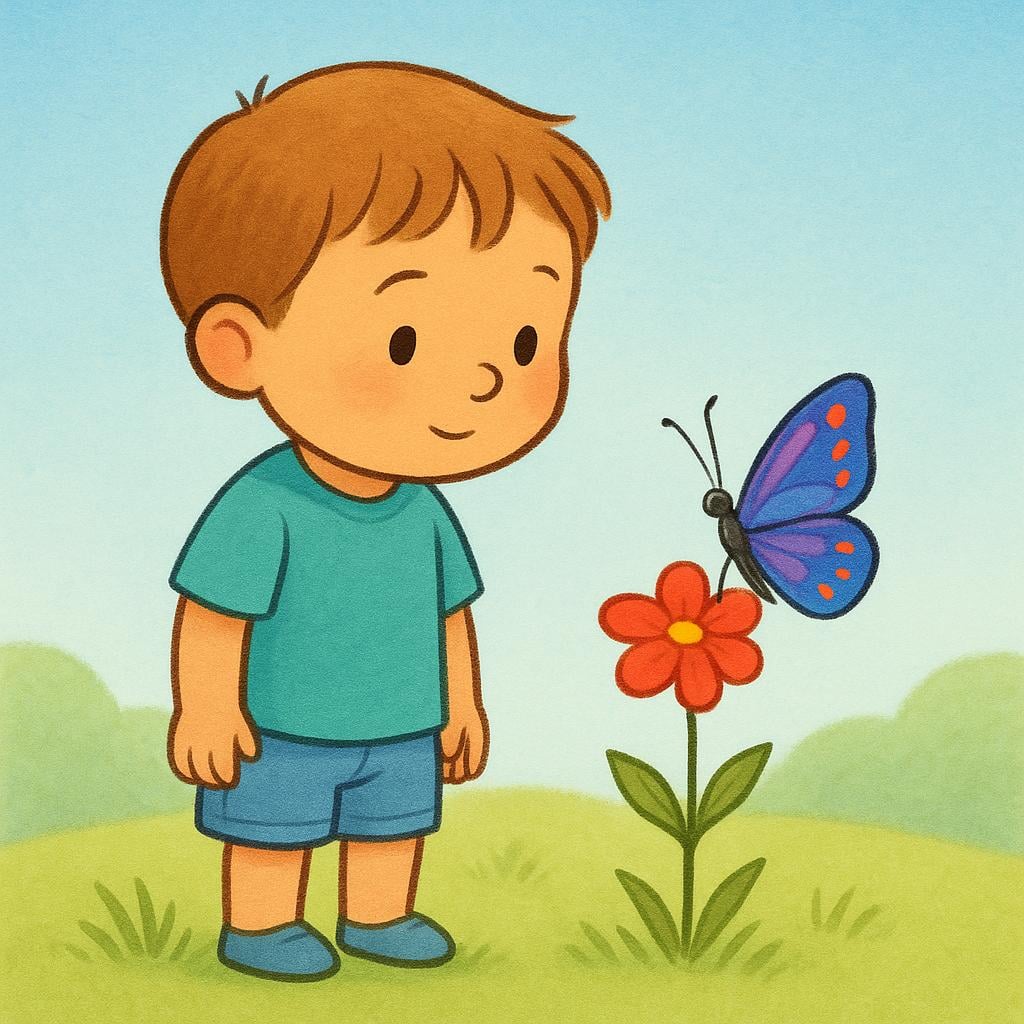
📝 In Action
Ayer ví una película muy divertida.
A1Yesterday I saw a very funny movie.
¿Quién ví en el parque? ¡Era tu hermano!
A2Who did I see in the park? It was your brother!
Cuando llegué, ví que la puerta estaba abierta.
A2When I arrived, I saw that the door was open.
I understood, I realized
Also: I figured out
📝 In Action
Después de su explicación, por fin ví el problema.
B1After his explanation, I finally saw (understood) the problem.
Ví claramente que no quería ayudarme.
B2I clearly saw (realized) that he didn't want to help me.
Indicative
Present
Imperfect
Preterite
Subjunctive
Present Subjunctive
Imperfect Subjunctive
Translate to Spanish
✏️ Quick Practice
Quick Quiz: ví
Question 1 of 2
Which sentence correctly uses 'ví' to describe a single, completed action in the past?
📚 More Resources
👥 Word Family▼
🎵 Rhymes▼
📚 Etymology▼
Comes directly from the Latin verb *vidēre*, meaning 'to see.' Spanish simplified the structure over centuries, but the root remains the same.
First recorded: Old Spanish (around 10th-11th century) as a form of 'veer' or 'ver'.
Cognates (Related words)
💡 Master Spanish
Take your Spanish to the next level. Read 200+ illustrated and narrated Spanish stories tailored to your level with the Inklingo app!
Frequently Asked Questions
Should I always write 'ví' with an accent mark?
Historically, yes, the accent mark on 'ví' and 'dio' (from dar) was mandatory to show stress. However, the Royal Spanish Academy (RAE) now permits omitting the accent mark ('vi') because it is a single syllable word and there is no risk of confusion with another word. Both 'ví' and 'vi' are generally accepted, but using the accent is a clear way to show the simple past tense.
What is the difference between 'ví' and 'veía'?
'Ví' is the simple past (preterite) and is used for a single, completed action ('I saw the dog'). 'Veía' is the imperfect past and describes ongoing actions, habits, or descriptions in the past ('I used to see the dog' or 'I was seeing the dog').