Spanish, for real life
100 Common Spanish Phrases
A little Spanish. A lot to say. Learn how to say everyday things in Spanish, from your first “hola” to finding your way, ordering a coffee, and telling someone you miss them. Listen, try a few, and make them yours.
100 phrases across 10 situationsLast updated

Knowing individual Spanish words is useful. Knowing what to actually say is much more useful.
If you are learning Spanish, traveling to a Spanish-speaking country, talking to Spanish-speaking friends, or simply trying to understand everyday conversation, the phrases below will take you surprisingly far.
This guide covers 100 of the most useful Spanish phrases for real life, organized by situation. You will learn how to say everything from “How are you?” and “I miss you” to “Where is the bathroom?”, “I’ll take it”, and “I need a doctor.”
Where Spanish varies by region or formality, we have included the most important alternatives too. Tap to hear a phrase read aloud.
10 Spanish phrases everyone should know first
If you only learn ten phrases before your first Spanish conversation, start here:
| English | Spanish |
|---|---|
| Hello | Hola |
| How are you? | ¿Cómo estás? |
| Please | Por favor |
| Thank you | Gracias |
| Excuse me | Perdón / Disculpe |
| I don't understand | No entiendo |
| Do you speak English? | ¿Hablas inglés? |
| Where is the bathroom? | ¿Dónde está el baño? |
| How much is this? | ¿Cuánto cuesta? |
| Goodbye / See you later | Adiós / Hasta luego |
Those ten will get you through a surprising number of interactions. But if you want to actually hold a conversation, keep going.
Spanish greetings and introductions
1. How do you say “hello” in Spanish?
It works in almost every situation, from meeting a friend to greeting someone at a shop.
2. How do you say “good morning” in Spanish?
It is the standard morning greeting throughout the Spanish-speaking world.
3. How do you say “good afternoon” in Spanish?
You will normally hear it after midday and before nighttime.
4. How do you say “good evening” in Spanish?
Depending on the time, Spanish speakers use either:
Buenas noches can mean both “good evening” and “good night.”
5. How do you say “how are you?” in Spanish?
6. How do you say “I’m fine, thanks” in Spanish?
7. How do you say “what’s up?” in Spanish?
¿Qué tal? can function as “How’s it going?”, “What’s up?”, or simply a casual greeting.
8. How do you say “nice to meet you” in Spanish?
9. How do you say “my name is…” in Spanish?
Both work, but Me llamo… is especially natural in conversation.
10. How do you say “where are you from?” in Spanish?
Polite Spanish phrases
11. How do you say “please” in Spanish?
You can place it before or after a request.
12. How do you say “thank you” in Spanish?
It is one of the most useful Spanish words you can learn.
13. How do you say “thank you very much” in Spanish?
14. How do you say “you’re welcome” in Spanish?
15. How do you say “excuse me” in Spanish?
16. How do you say “I’m sorry” in Spanish?
17. How do you say “no problem” in Spanish?
18. How do you say “of course” in Spanish?
19. How do you say “take care” in Spanish?
Use Cuídate with friends, family, partners, and people you address as tú.
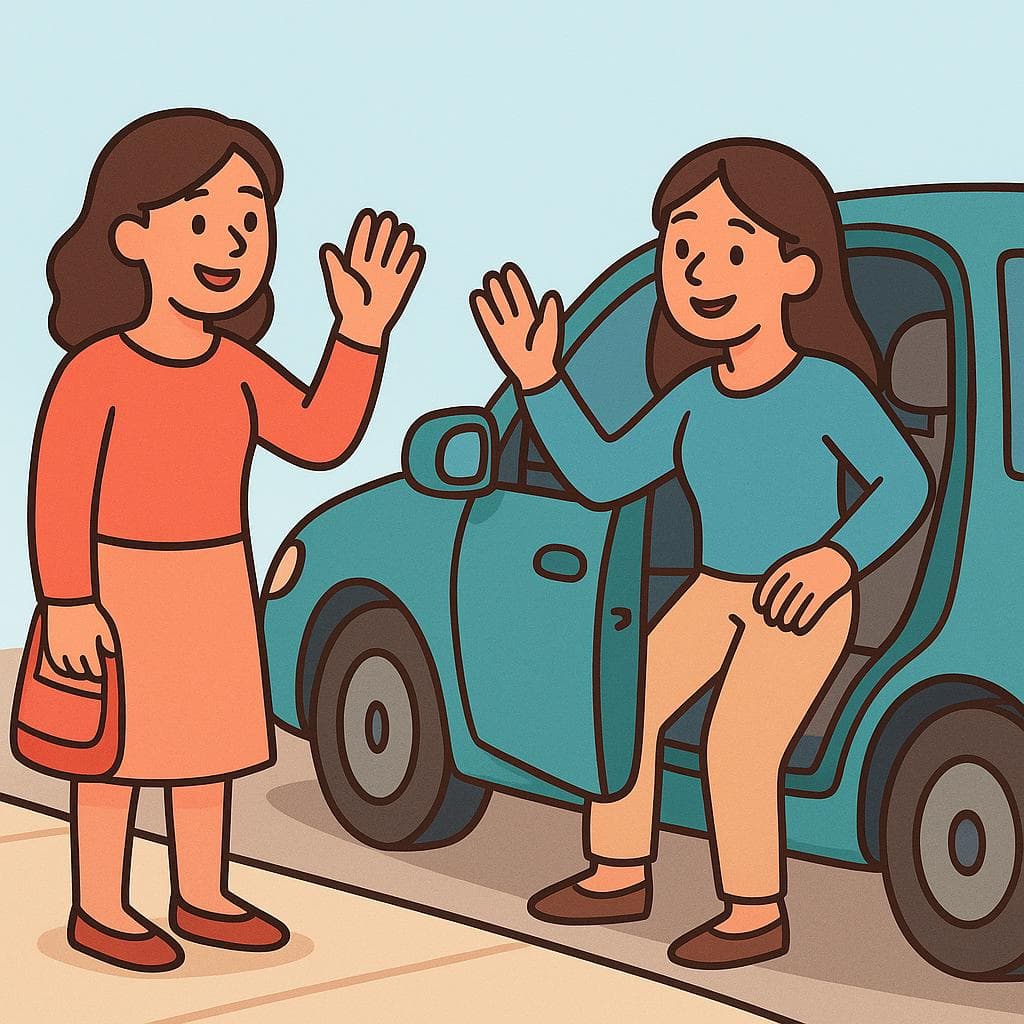
20. How do you say “have a nice day” in Spanish?
Spanish phrases for understanding and learning
These are especially useful if you are still learning. You do not need fluent Spanish to manage a conversation — you just need to know how to ask people to help you.
21. How do you say “I don’t understand” in Spanish?
One of the most useful phrases for any beginner.
22. How do you say “I don’t know” in Spanish?
Short, natural, and extremely common.
23. How do you say “do you speak English?” in Spanish?
24. How do you say “I speak a little Spanish” in Spanish?
25. How do you say “please speak more slowly” in Spanish?
26. How do you say “can you repeat that?” in Spanish?
27. How do you say “what does this mean?” in Spanish?
This is a phrase every language learner should know.
28. How do you say “how do you say this in Spanish?” in Spanish?
A wonderfully self-referential phrase — and one you can use constantly while learning.
29. How do you say “how do you spell that?” in Spanish?
Literally: “How is that written?”
30. How do you say “I’m learning Spanish” in Spanish?
Love, relationships, and feelings in Spanish
Some English phrases have several Spanish equivalents because the best translation depends on the relationship, country, or strength of feeling.
31. How do you say “I love you” in Spanish?
Both can mean “I love you,” but the emotional tone varies.
32. How do you say “I miss you” in Spanish?
Me haces falta conveys that someone’s absence is genuinely felt in your life.

33. How do you say “I like you” in Spanish?
Literally, the grammar is closer to “You are pleasing to me.”
34. How do you say “I’m thinking of you” in Spanish?
35. How do you say “I care about you” in Spanish?
This means that someone matters to you.
36. How do you say “you’re beautiful” in Spanish?
37. How do you say “you make me happy” in Spanish?
A simple and very natural affectionate phrase.
38. How do you say “you mean a lot to me” in Spanish?
This works romantically but can also be used with close friends or family.
39. How do you say “give me a hug” in Spanish?
Abrazo means “hug.”
40. How do you say “sweet dreams” in Spanish?
Spanish small-talk phrases
Once you have exchanged greetings, these phrases help keep the conversation going.
41. How do you say “what are you doing?” in Spanish?
Depending on context, this can mean “What are you doing?” or “What do you do?”
42. How do you say “what do you do for work?” in Spanish?
Literally, it asks what someone dedicates themselves to.
43. How do you say “what are your hobbies?” in Spanish?
44. How do you say “do you have children?” in Spanish?
45. How do you say “do you have any pets?” in Spanish?
46. How do you say “I agree” in Spanish?
47. How do you say “I disagree” in Spanish?
48. How do you say “I think so” in Spanish?
Literally: “I believe so.”
49. How do you say “I don’t think so” in Spanish?
50. How do you say “that’s interesting” in Spanish?
Requests and useful everyday Spanish
51. How do you say “can you help me?” in Spanish?
52. How do you say “can you do me a favor?” in Spanish?
A useful phrase in everyday conversation.
53. How do you say “wait a moment” in Spanish?
54. How do you say “let me know” in Spanish?
55. How do you say “I need to go” in Spanish?
This is one of the most natural ways to excuse yourself from a conversation.
56. How do you say “I’m looking for…” in Spanish?
57. How do you say “I would like…” in Spanish?
This is an enormously useful phrase because you can attach almost anything to it.
58. How do you say “can I…?” in Spanish?
59. How do you say “where is the bathroom?” in Spanish?
One of the most practical travel phrases in existence.
60. How do you say “is this seat taken?” in Spanish?
Spanish travel and direction phrases
61. How do you say “how do I get to…?” in Spanish?
62. How do you say “where is the airport?” in Spanish?
63. How do you say “where is the train station?” in Spanish?
64. How do you say “go straight ahead” in Spanish?
You may also simply hear recto while receiving directions.
65. How do you say “turn left” in Spanish?
Izquierda means left.
66. How do you say “turn right” in Spanish?
Derecha means right.
67. How do you say “how far is it?” in Spanish?
68. How do you say “I’m lost” in Spanish?
69. How do you say “I need a taxi” in Spanish?
70. How do you say “have a good trip” in Spanish?
Short, natural, and widely understood.
Spanish restaurant and food phrases
71. How do you say “a table for two, please” in Spanish?
72. How do you say “I would like to order” in Spanish?
You can then add the food or drink you want.
73. How do you say “what do you recommend?” in Spanish?
74. How do you say “a glass of water, please” in Spanish?
75. How do you say “I’ll have the same” in Spanish?
Literally: “For me, the same.”
76. How do you say “is it spicy?” in Spanish?
Short and extremely useful.
77. How do you say “not too spicy, please” in Spanish?
78. How do you say “the bill, please” in Spanish?
79. How do you say “can we split the bill?” in Spanish?
80. How do you say “this is delicious” in Spanish?
Depending on what you are describing, you may also hear deliciosa.
Shopping and hotel Spanish phrases
81. How do you say “how much is this?” in Spanish?
82. How do you say “I’ll take it” in Spanish?
This literally has the sense of “I’ll take it with me” and is a natural way to tell a shopkeeper you have decided to buy something.
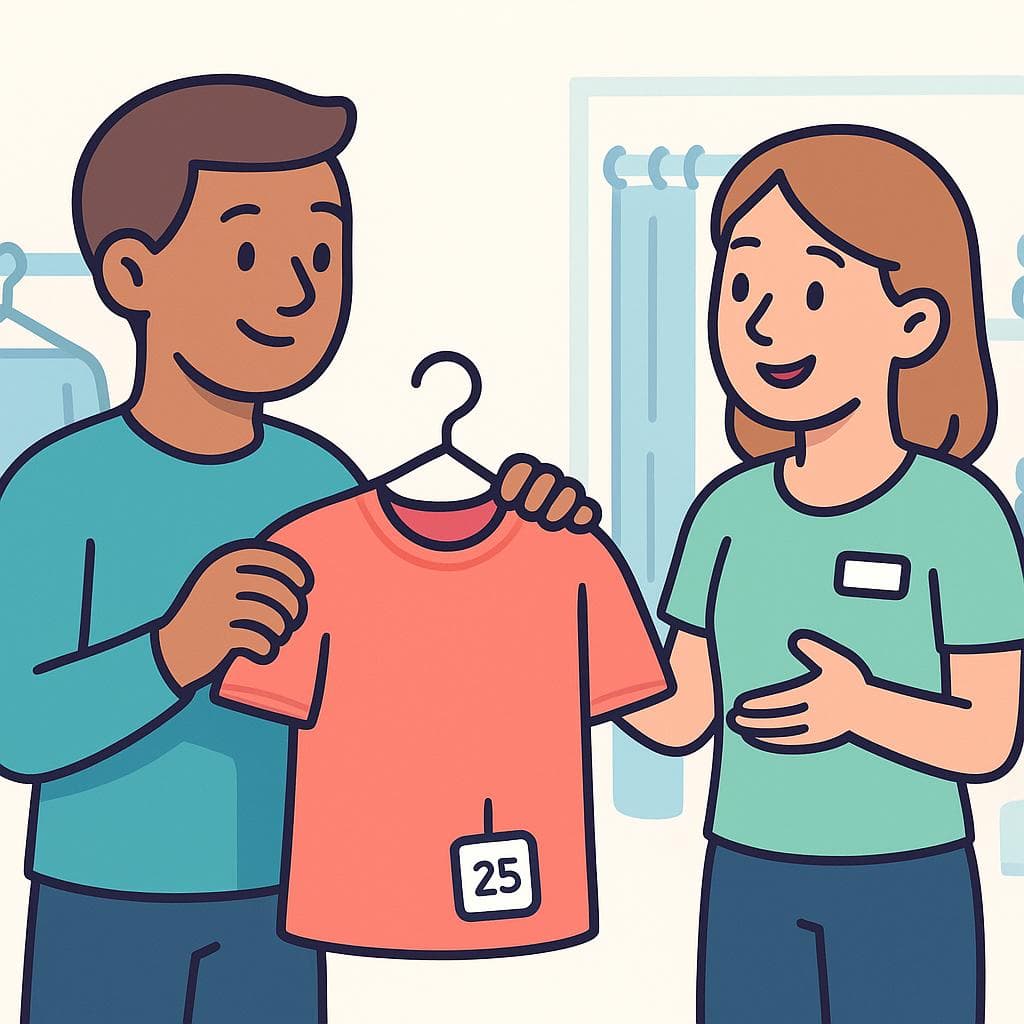
83. How do you say “I’m just looking” in Spanish?
Very useful when a salesperson approaches you but you are not ready to buy.
84. How do you say “do you have this in another size?” in Spanish?
85. How do you say “can I try this on?” in Spanish?
86. How do you say “do you accept credit cards?” in Spanish?
87. How do you say “I have a reservation” in Spanish?
88. How do you say “can I store my luggage here?” in Spanish?
This is useful before check-in or after checking out.
89. How do you say “what is the Wi-Fi password?” in Spanish?
90. How do you say “what time is checkout?” in Spanish?
You may also hear check-out itself used in tourist-oriented hotels.
Emergency Spanish phrases
Hopefully, you will never need these. If you do, simple Spanish is better than complicated Spanish.
91. How do you say “help!” in Spanish?
92. How do you say “I need help” in Spanish?
93. How do you say “call the police” in Spanish?
94. How do you say “call an ambulance” in Spanish?
95. How do you say “I need a doctor” in Spanish?
96. How do you say “it hurts here” in Spanish?
You can point to the affected area while saying it.
97. How do you say “I lost my passport” in Spanish?
98. How do you say “I’ve been robbed” in Spanish?
99. How do you say “where is the nearest hospital?” in Spanish?
100. How do you say “be careful” in Spanish?
10 Spanish sentence patterns that unlock hundreds more phrases
Memorizing useful phrases is a great start, but the real payoff comes when you recognize the patterns inside them. With the following structures, you can build hundreds of your own sentences.
“I want…” — Quiero…
“I need…” — Necesito…
“I would like…” — Me gustaría…
“Can I…?” — ¿Puedo…?
“Can you…?” — ¿Puedes…? / ¿Puede…?
Use puedes informally and puede formally.
“Where is…?” — ¿Dónde está…?
“I am…” — Estoy… / Soy…
Spanish has two verbs meaning “to be.”
“I have…” — Tengo…
“I like…” — Me gusta…
“How much…?” — ¿Cuánto…?
Learning patterns like these is much more powerful than memorizing hundreds of completely disconnected sentences.
A mini Spanish conversation using the phrases above
Here is what happens when you put even basic Spanish phrases together.
That is already a real conversation — and it is built almost entirely from beginner-level phrases.
How to remember Spanish phrases instead of forgetting them
Reading this list once is not enough.
Choose five to ten phrases that you could realistically imagine yourself saying. Say them aloud. Then try to encounter them inside real Spanish rather than repeatedly translating them in isolation.
For example, Tengo que irme becomes much easier to remember after you have seen a character say it while leaving a conversation. La cuenta, por favor sticks once you encounter it in a restaurant scene. Te extraño becomes emotionally meaningful when it appears between two characters who have been apart.
That is one reason stories are so useful for language learners: they give phrases a situation, a speaker, and a reason to exist.
If these phrases are starting to make sense, the next step is to read Spanish stories at your level and see the language being used in context.
Frequently asked questions about Spanish phrases
What are the most common Spanish phrases for beginners?
Start with hola, ¿cómo estás?, por favor, gracias, de nada, perdón, no entiendo, ¿hablas inglés?, ¿dónde está…?, and ¿cuánto cuesta? Those phrases cover greetings, politeness, communication problems, directions, and shopping.
How do you say “I miss you” in Spanish?
Say Te extraño in much of Latin America and Te echo de menos in Spain. Both mean “I miss you.”
How do you say “take care” in Spanish?
Say Cuídate informally or Cuídese formally. Que te vaya bien is another very common farewell with a similar feeling.
How do you say “I love you” in Spanish?
The two most common expressions are Te quiero and Te amo. Te amo often sounds more intense or deeply romantic, while te quiero is extremely common between partners and loved ones.
How do you say “how are you?” in Spanish?
Say ¿Cómo estás? informally or ¿Cómo está? formally. ¿Qué tal? is a common casual alternative.
How do you say “you’re welcome” in Spanish?
The standard answer is De nada. You may also hear Con gusto, meaning “my pleasure.”
How do you say “please” and “thank you” in Spanish?
“Please” is por favor and “thank you” is gracias. “Thank you very much” is muchas gracias.
How do you say “where is the bathroom?” in Spanish?
¿Dónde está el baño?
How do you say “I don’t understand” in Spanish?
No entiendo. If you need the other person to slow down, add: Por favor, hable más despacio.
What is the best way to learn common Spanish phrases?
Learn phrases in situations instead of treating them as isolated translations. Practice a small number at a time, say them aloud, and then read or listen to Spanish where those expressions appear naturally.
From Spanish phrases to real Spanish
These 100 phrases are enough to greet people, make small talk, travel, order food, shop, express feelings, ask for help, and handle many everyday situations.
But they are also only the beginning.
Once expressions such as ¿Cómo estás?, Me gustaría…, ¿Dónde está…?, Tengo que…, and No entiendo become automatic, Spanish starts feeling less like a collection of words you have to translate and more like a language you can actually use.
The best next step is to see those expressions inside conversations and stories.