pasé
“pasé” means “I passed” in Spanish. It has 3 different meanings depending on context:
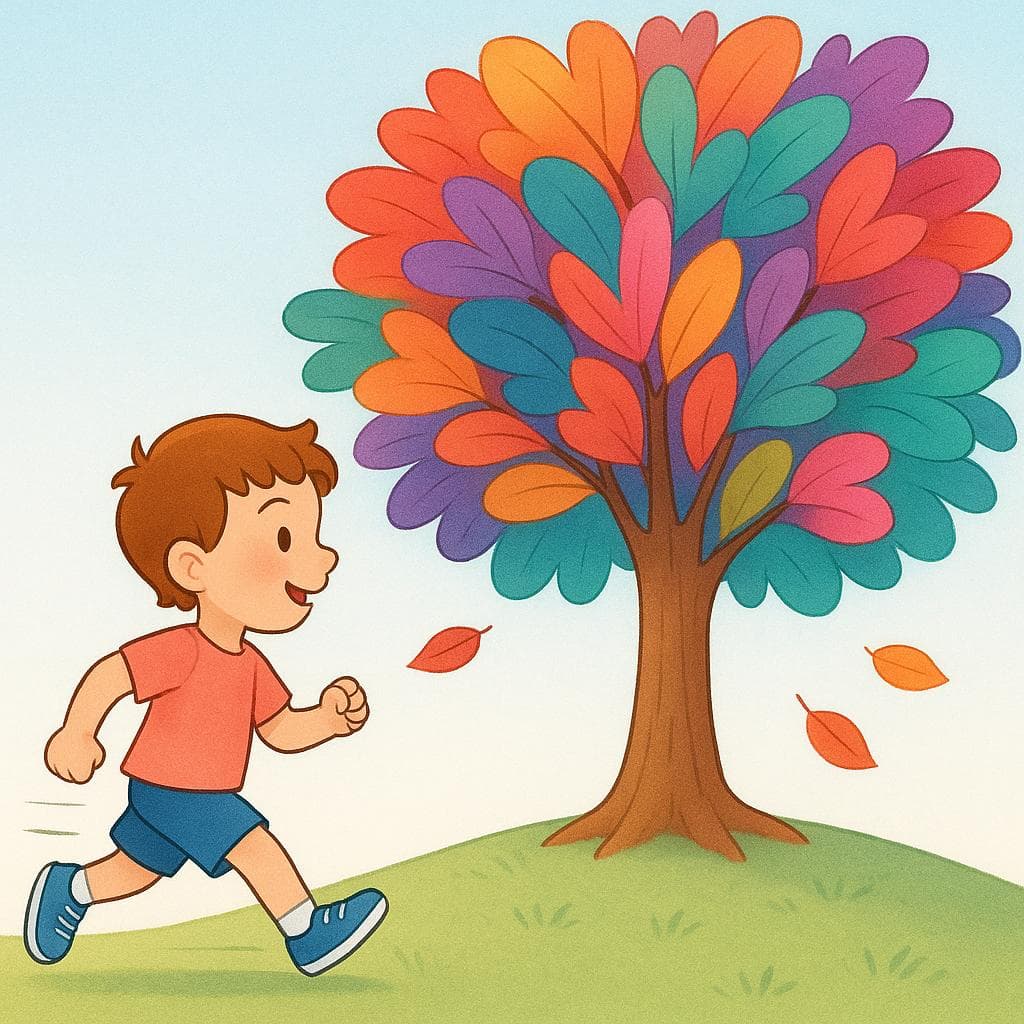


I passed, I went (by/through)Also: I crossed

📝 In Action
Pasé por la oficina de correos antes de venir aquí.
A1I passed by the post office before coming here.
Anoche pasé esa película en la televisión, pero no la vi.
A2Last night, I noticed that movie on TV, but I didn't watch it. (Lit: I passed that movie on TV)
Cuando era niño, pasé de una ciudad a otra cada año.
B1When I was a kid, I moved from one city to another every year.
Word Connections
I spentAlso: I had

📝 In Action
Pasé tres horas esperando el autobús.
A2I spent three hours waiting for the bus.
Pasé unas vacaciones fantásticas en la playa.
B1I spent/had a fantastic vacation at the beach.
¿Cómo pasé el fin de semana? Muy bien, gracias.
A2How did I spend the weekend? Very well, thank you.
Word Connections
I passedAlso: I cleared

📝 In Action
Estudié mucho, ¡y por fin pasé el examen de química!
B1I studied a lot, and finally I passed the chemistry exam!
Pasé a la siguiente ronda del concurso de talentos.
B2I advanced (passed) to the next round of the talent competition.
Word Connections
Indicative
Present
Imperfect
Preterite
Subjunctive
Present Subjunctive
Imperfect Subjunctive
✏️ Quick Practice
Quick Quiz: pasé
Question 1 of 2
Which English sentence correctly translates the meaning of 'Pasé por la panadería'?
📚 More Resources
👥 Word Family
📚 Etymology
Comes from the Vulgar Latin verb *passare*, which meant 'to pace' or 'to take a step.' It is related to the noun *passus* ('step'), emphasizing movement over boundaries or duration.
First recorded: 12th century
Cognates (Related words)
💡 Master Spanish
Take your Spanish to the next level. Read 200+ illustrated and narrated Spanish stories tailored to your level with the Inklingo app!
Frequently Asked Questions
Why does 'pasé' have so many different meanings?
All the meanings are related to the core idea of 'transition.' You can transition geographically ('I passed by the store'), transition through time ('I spent three hours'), or transition successfully through a hurdle ('I passed the exam').
If I want to say 'I passed out' (fainted), is 'pasé' the correct verb?
No, for fainting, you must use 'Me desmayé.' 'Pasé' is only for movement, time, or completing a test. Do not confuse them!