Abrir el paraguas
ah-BREER el pah-RAH-gwass
🎨 Literal vs. Figurative
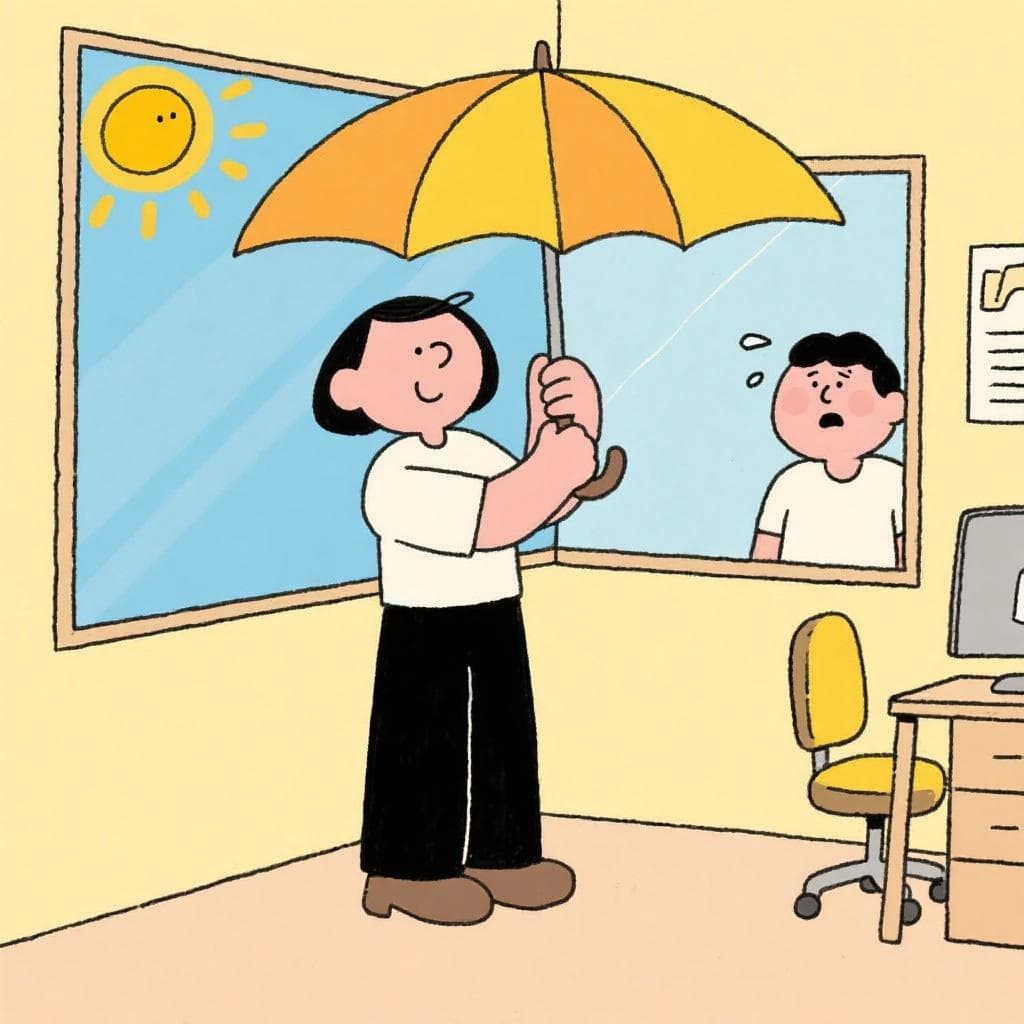
Literally, this means 'to open the umbrella'.
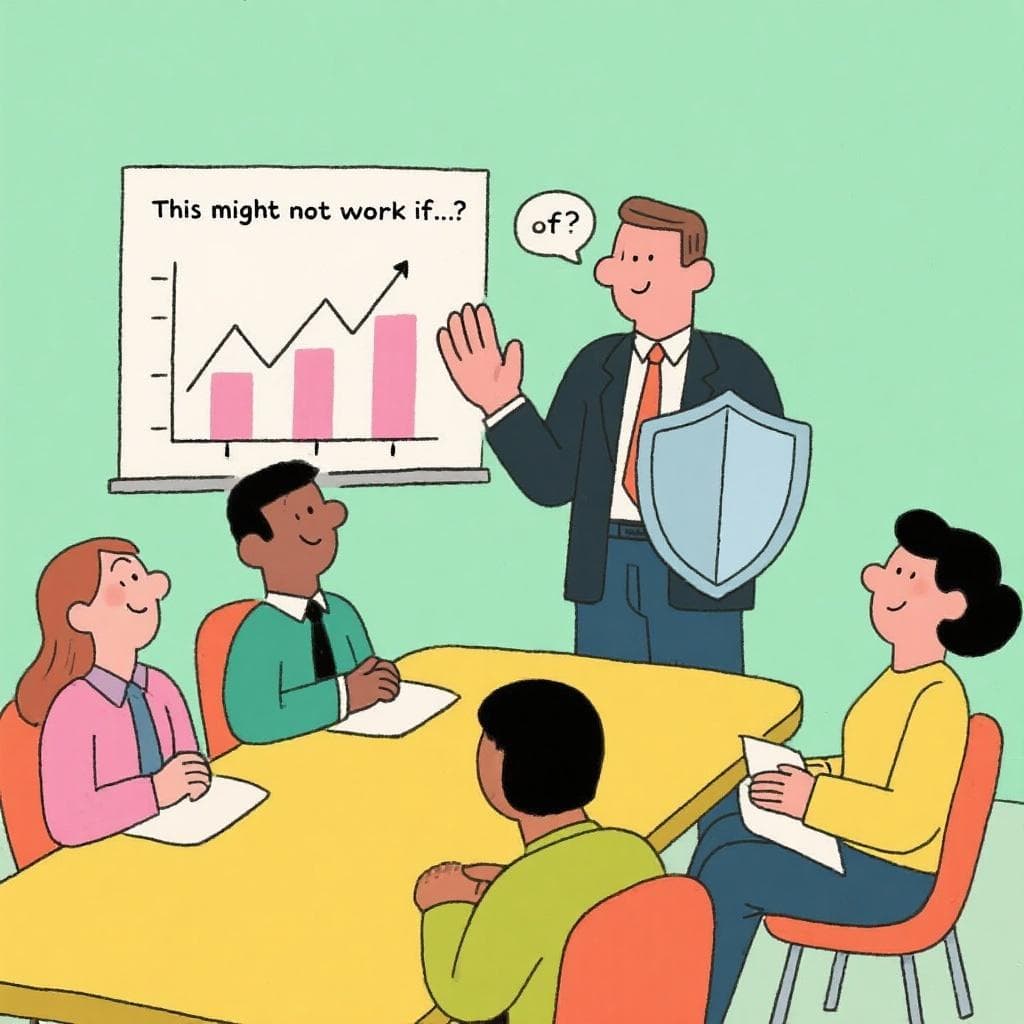
Figuratively, it means making excuses in advance to avoid future blame.
Key Words in This Idiom:

📝 In Action
Antes de presentar el proyecto, abrió el paraguas diciendo que no tuvo suficiente tiempo.
B2Before presenting the project, he made excuses in advance, saying he didn't have enough time.
No abras el paraguas antes de que llueva. ¡Confía en que todo saldrá bien!
B2Don't get defensive before anything even happens. Trust that everything will turn out fine!
📜 Origin Story
The origin of this idiom is a straightforward and logical metaphor. Just as you open an umbrella to protect yourself from the rain (a future problem), 'abrir el paraguas' means to protect yourself from future blame or criticism. It's the act of creating a verbal shield before the 'storm' of negative consequences arrives.
⭐ Usage Tips
Protecting Yourself from Future Blame
Use this idiom when someone is making preemptive excuses or justifications. It often carries a slightly negative connotation, suggesting the person is avoiding responsibility rather than solving a problem directly. It's very common in work environments or politics.
❌ Common Pitfalls
It's Not About the Weather
Mistake: “Using it when you are literally talking about opening an umbrella for rain.”
Correction: This phrase is almost always used figuratively. If you mean to open a real umbrella, just say 'Voy a abrir el paraguas porque está lloviendo'. Using the idiom for actual rain would sound strange to a native speaker.
🌎 Where It''s Used
Spain
Extremely common and widely used in all contexts, from personal to professional.
Latin America
Understood and used, particularly in the Southern Cone (Argentina, Chile, Uruguay), but might be less common than other local expressions in some Caribbean or Central American countries.
✏️ Quick Practice
Quick Quiz: Abrir el paraguas
Question 1 of 1
If your boss says, 'No abras el paraguas todavía', what are they telling you to do?
🗣️ Practice Pronunciation
Want to sound more natural when using this idiom? Practice your Spanish pronunciation with our collection of tongue twisters.
Browse Spanish Tongue Twisters →🏷️ Tags
Hear idioms come alive
Idioms make sense in context. Read 200+ illustrated and narrated Spanish stories to see idioms used naturally by characters — and build the ear native speakers have.
Frequently Asked Questions
Is 'abrir el paraguas' always negative?
Not always, but it often implies that someone is being overly defensive or trying to avoid future responsibility. It can be used neutrally to mean 'taking sensible precautions,' but more commonly it has a slightly critical tone.