How to Say "alligator" in Spanish
The most common Spanish word for “alligator” is “caimán” — use 'caimán' when referring specifically to alligators, caimans, or crocodiles, especially in a zoological or more formal context.
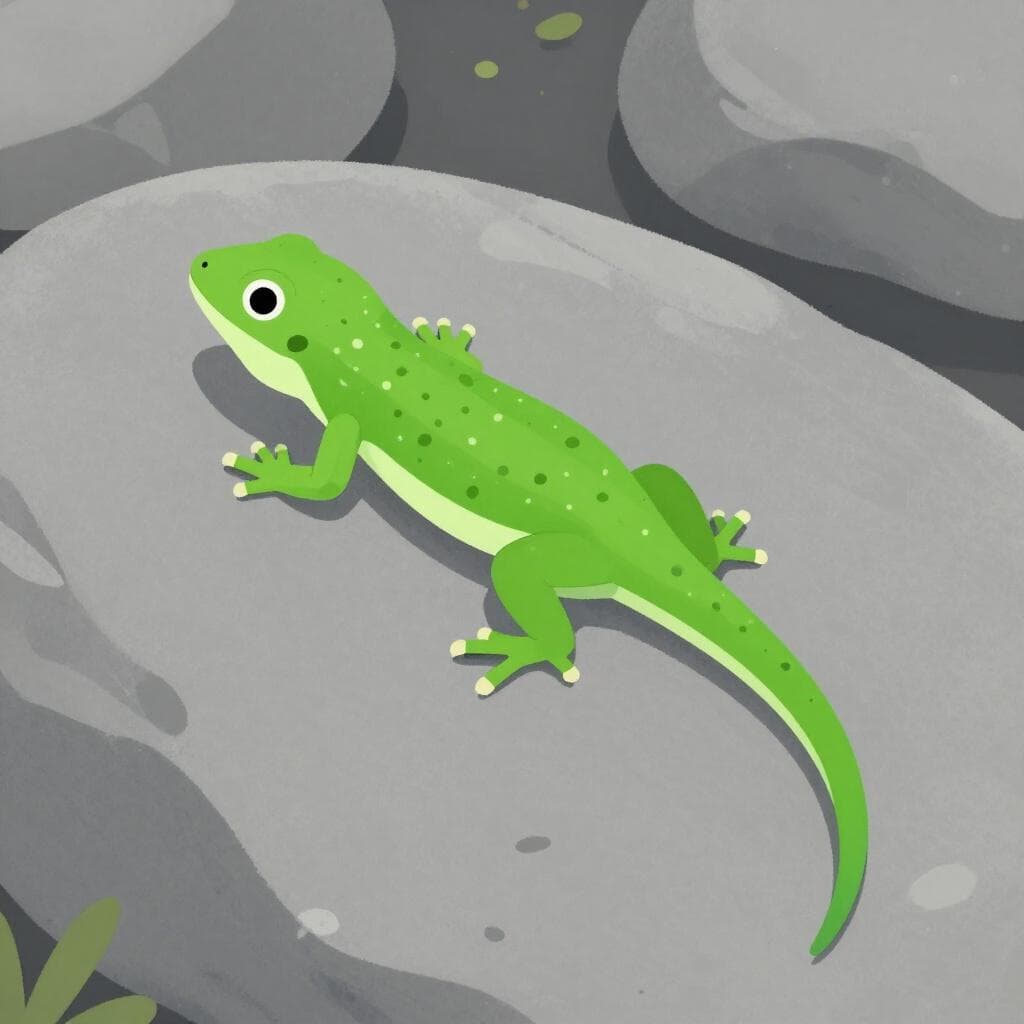
caimán
Examples
Vimos un caimán tomando el sol en la orilla del río.
We saw a caiman sunbathing on the riverbank.
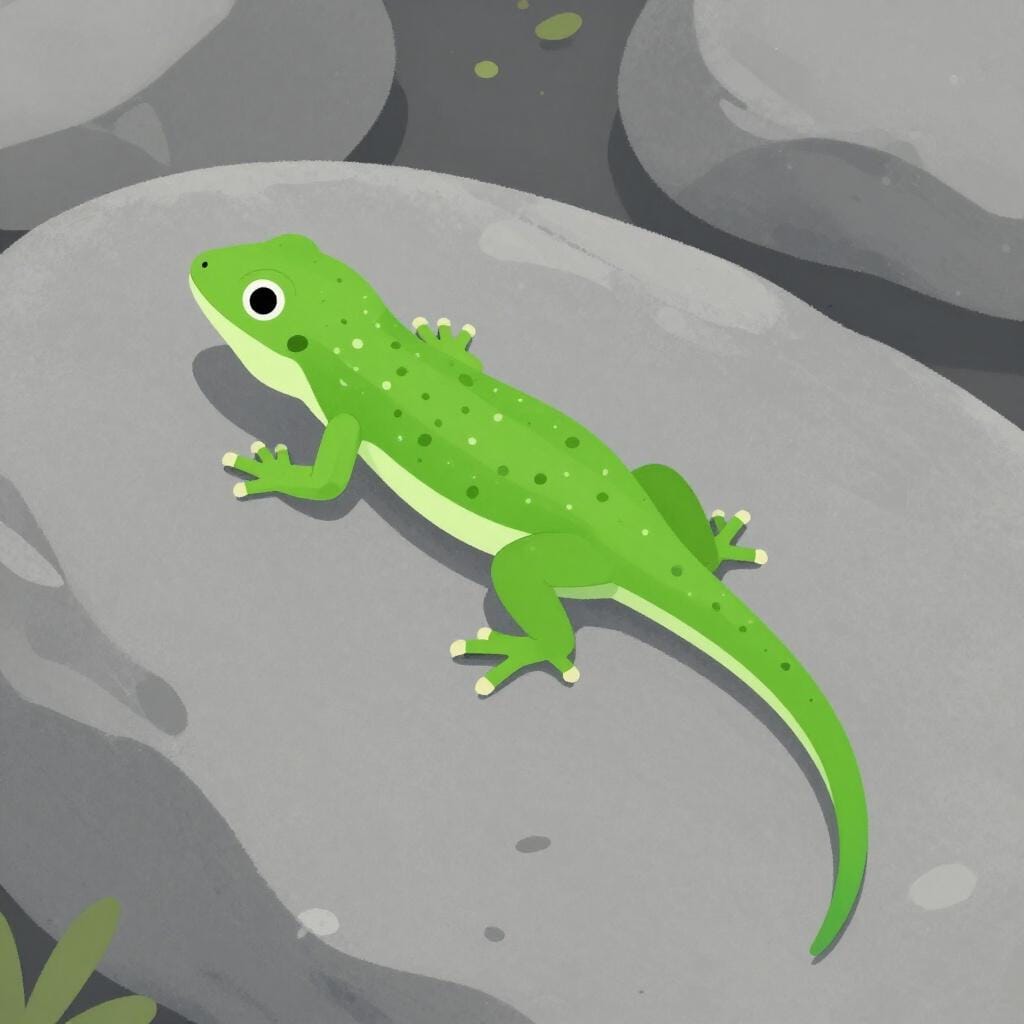
lagarto
lah-GAHR-tohlaˈɡaɾto
Examples
Hay un lagarto grande tomando el sol en esa piedra.
There is a large lizard sunbathing on that rock.
Los lagartos suelen esconderse cuando escuchan ruido.
Lizards usually hide when they hear noise.
La piel del lagarto es escamosa y muy resistente.
The lizard's skin is scaly and very resistant.
One Gender for Both Sexes
In Spanish, 'lagarto' is always masculine, even if the lizard is female. If you need to specify, you say 'el lagarto hembra'.
Lagarto vs. Lagartija
While both mean lizard, use 'lagarto' for bigger ones (like iguanas) and 'lagartija' for the tiny ones you see running up walls.
Confusing with Crocodiles
Mistake: “Calling a crocodile a 'lagarto' in a formal biology test.”
Correction: Use 'cocodrilo' for crocodiles. 'Lagarto' is a general term for lizards, though colloquially some regions use it for alligators.
Caimán vs. Lagarto
Related Translations
Learn Spanish with Inklingo
Interactive stories, personalized learning, and more.