How to Say "authoritarian" in Spanish
The most common Spanish word for “authoritarian” is “autoritario” — use 'autoritario' when describing a person or system that strictly enforces rules and demands obedience, without much regard for individual freedom or input.

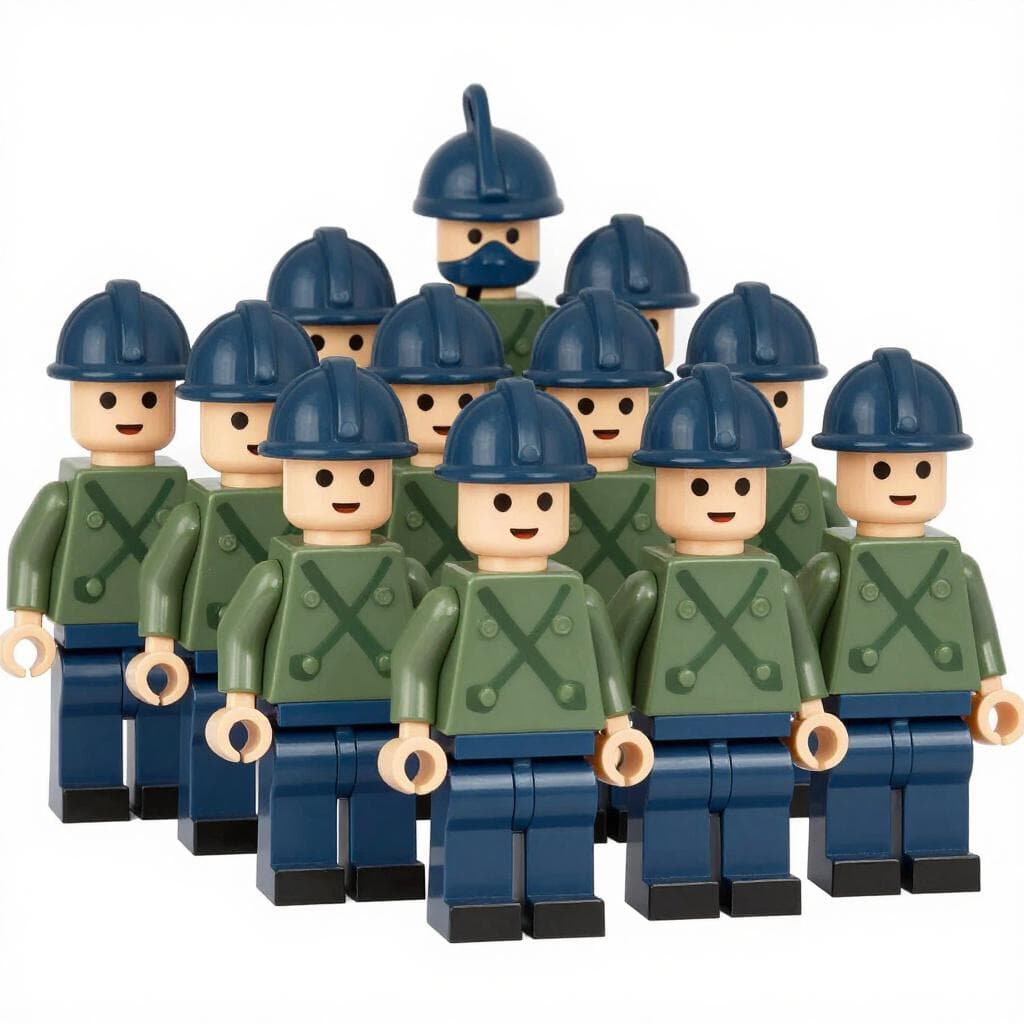
autoritario
ow-toh-ree-TAH-ryohau.to.ɾi.ˈta.ɾjo

Examples
Mi jefe es muy autoritario y nunca acepta sugerencias.
My boss is very authoritarian and never accepts suggestions.
Muchos ciudadanos protestaron contra el gobierno autoritario.
Many citizens protested against the authoritarian government.
No seas tan autoritaria con tus hermanos menores.
Don't be so bossy with your younger siblings.
Matching Gender and Number
This word must match the person or thing you are describing. Use 'autoritario' for a man or a masculine thing (un jefe), 'autoritaria' for a woman or feminine thing (una jefa), and add an -s for plurals.
Word Order
In Spanish, we usually put this word after the person or thing we are describing, like saying 'the government authoritarian' instead of 'the authoritarian government'.
Don't forget the 'i'
Mistake: “autortario”
Correction: autoritario
Bossy vs. Authoritarian
Mistake: “Calling a toddler 'autoritario' in a cute way.”
Correction: Use 'mandón' for a child being bossy; 'autoritario' sounds much more serious and harsh.
fascista
fas-SEES-tahfasˈθista
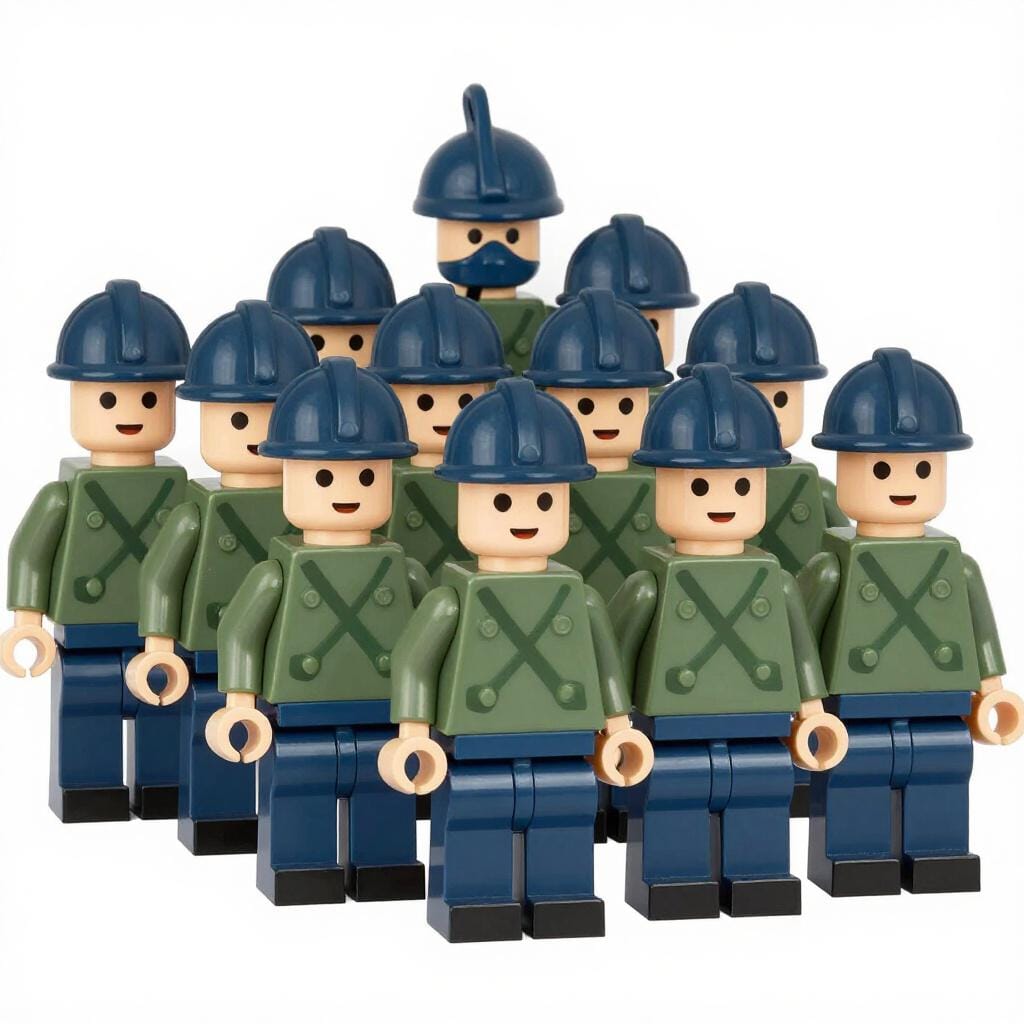
Examples
Muchos países lucharon contra el régimen fascista.
Many countries fought against the fascist regime.
No seas tan fascista, deja que cada uno dé su opinión.
Don't be so bossy/intolerant, let everyone give their opinion.
La propaganda fascista era muy común en esa época.
Fascist propaganda was very common in that era.
One ending for everyone
Unlike many Spanish adjectives that change from -o to -a, this word always ends in -a, whether you are describing a man, a woman, or a neutral thing.
Using '-ista' for beliefs
In Spanish, words for followers of a belief or political group often end in '-ista' (like 'socialista' or 'optimista'). These words don't change based on gender.
The 'Fascisto' Error
Mistake: “El hombre fascisto.”
Correction: El hombre fascista. Remember, even though 'hombre' is masculine, the word 'fascista' never changes to an 'o'.
Autoritario vs. Fascista
Learn Spanish with Inklingo
Interactive stories, personalized learning, and more.