How to Say "car jack" in Spanish
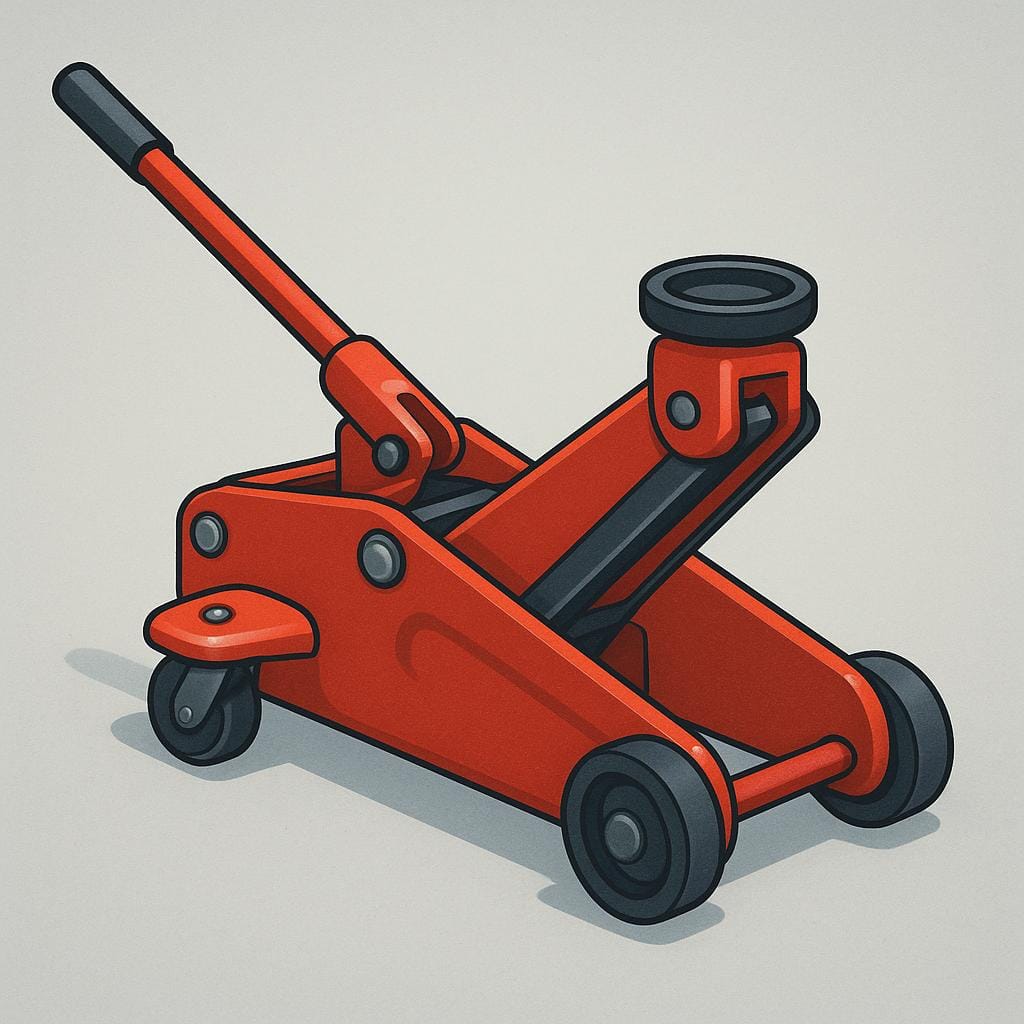
The most common Spanish word for “car jack” is “gato” — use 'gato' when referring to the common tool used to lift a car for changing a tire, especially in everyday or informal contexts.
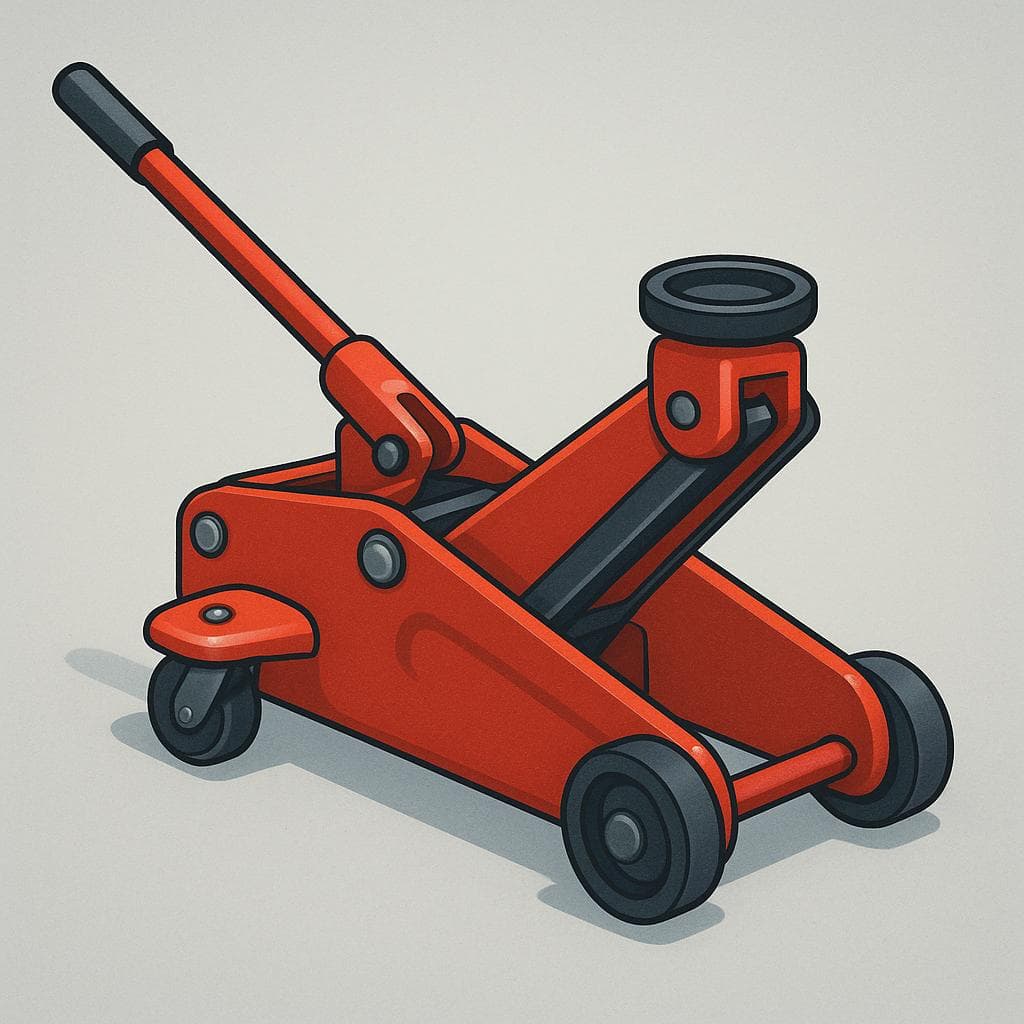
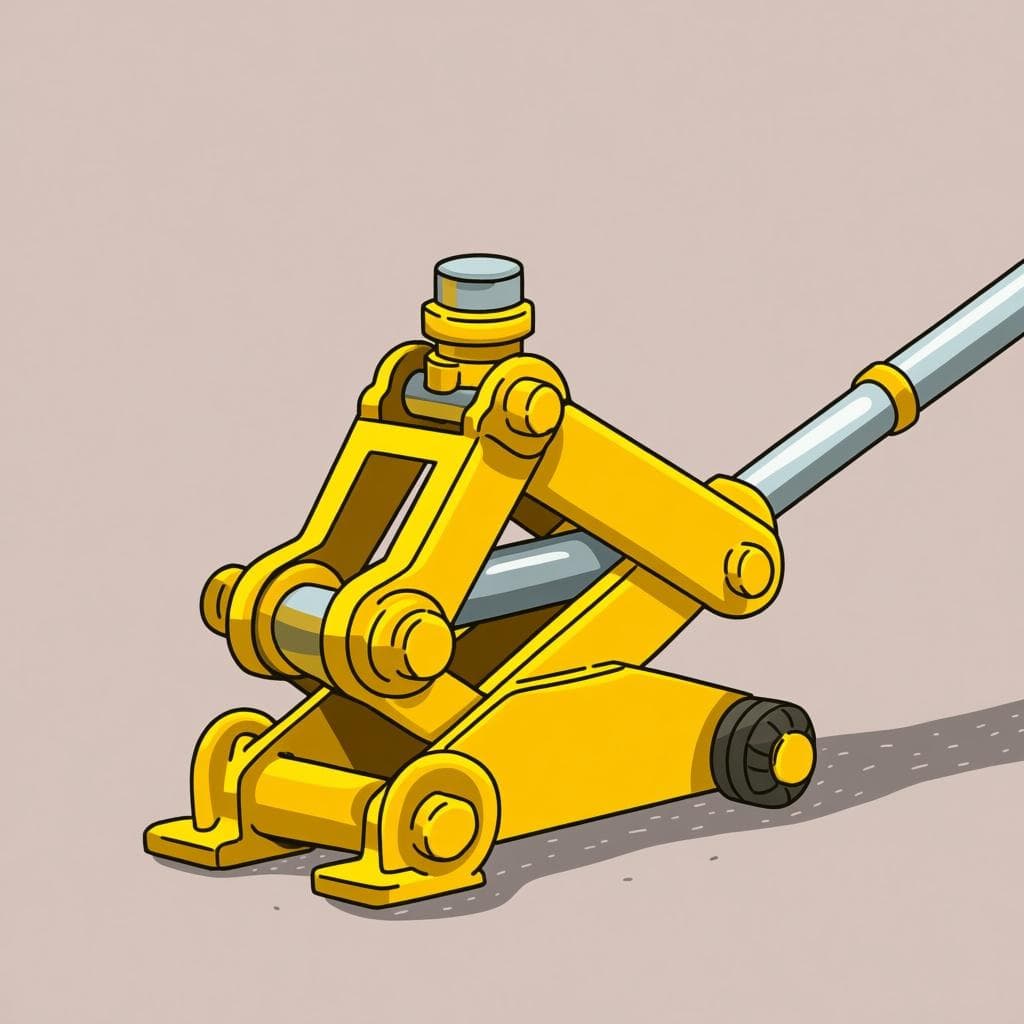
gato
GAH-tohˈɡato
Examples
Se me pinchó una rueda y tuve que usar el gato para cambiarla.
I got a flat tire and had to use the jack to change it.
Asegúrate de que el gato esté bien colocado antes de levantar el coche.
Make sure the jack is well-placed before lifting the car.
Meaning Divergence
This meaning is entirely separate from the animal. You can usually tell the difference based on context: if the word is found with 'coche' (car) or 'rueda' (tire), it likely means 'jack'.
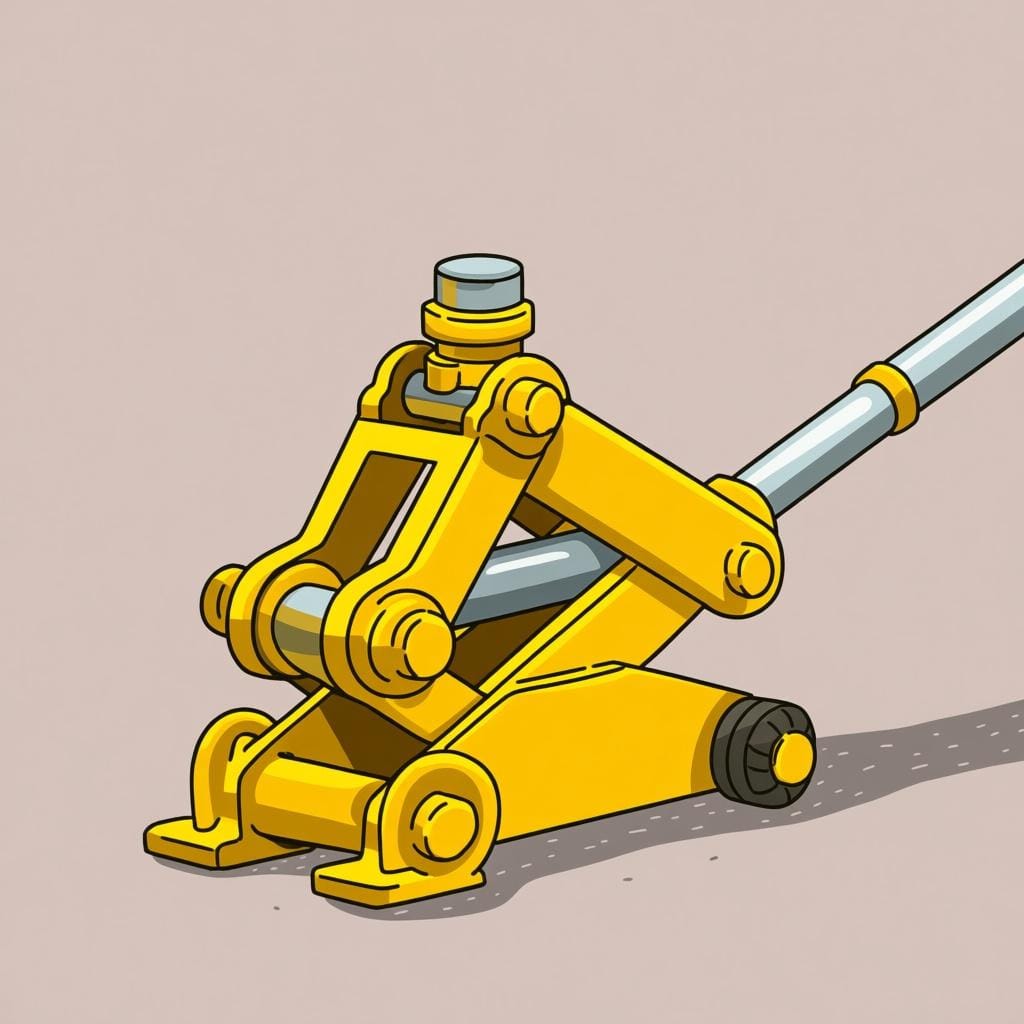
jack
yak'ʝak
Examples
Necesito un jack para cambiar la llanta del coche.
I need a jack to change the car's tire.
El mecánico usó un jack hidráulico para levantar el vehículo.
The mechanic used a hydraulic jack to lift the vehicle.
A Borrowed Word
'Jack' is a word taken directly from English, so it keeps its masculine form ('el jack') and is used for specific technical items.
Using 'Jack' Instead of 'Gato'
Mistake: “Pásame el jack, por favor.”
Correction: Pásame el gato, por favor. In everyday Spanish, 'gato' is the standard word for a car jack. Using 'jack' sounds very technical or foreign.
Gato vs. Jack
Learn Spanish with Inklingo
Interactive stories, personalized learning, and more.