How to Say "diary" in Spanish
The most common Spanish word for “diary” is “diario” — use 'diario' when referring to a personal journal or a book where you write down your thoughts, feelings, and daily experiences.

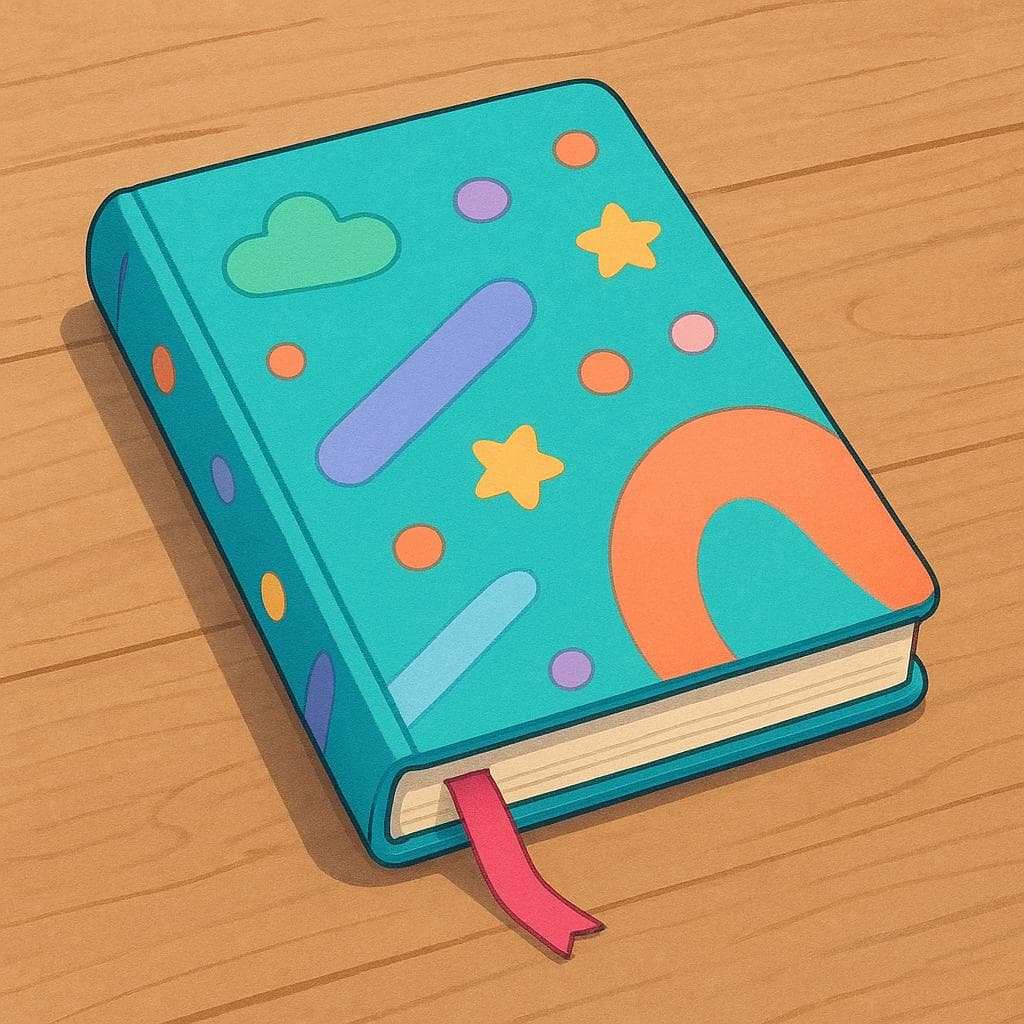
diario
dee-AH-reeodiˈa.rjo

Examples
Me gusta escribir en mi diario cada noche antes de dormir.
I like to write in my diary every night before sleeping.
Escribí todos mis sueños en mi diario personal.
I wrote all my dreams in my personal diary.
Mi abuela encontró un diario que su padre escribió durante la guerra.
My grandmother found a journal that her father wrote during the war.
Possessive Adjectives
When talking about your own diary, use possessive words like 'mi diario' (my diary) or 'su diario' (his/her diary).
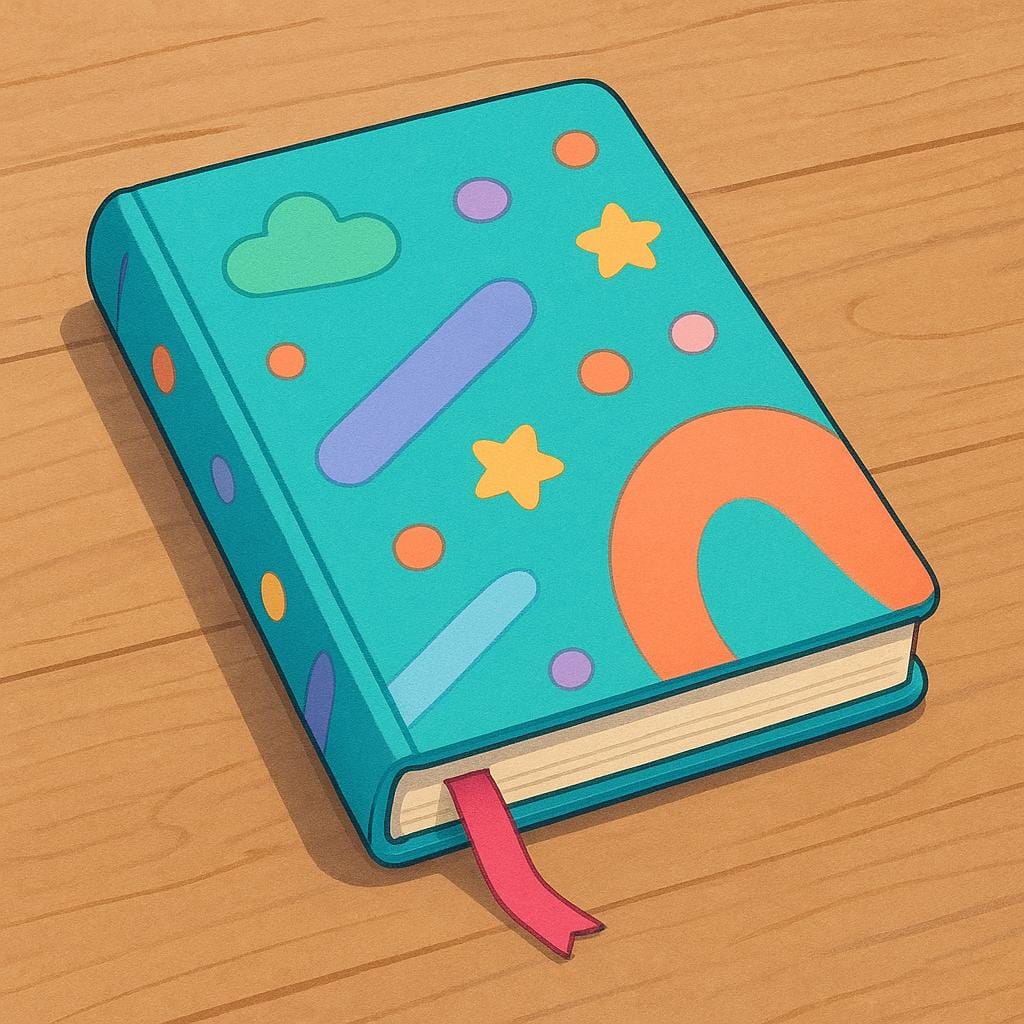
agenda
ah-HEN-dahaˈxenda
Examples
Tengo que apuntar la cita del médico en mi agenda.
I have to write down the doctor's appointment in my planner.
Necesito una nueva agenda para el año que viene.
I need a new planner for next year.
Voy a anotar la reunión en mi agenda electrónica.
I am going to write down the meeting in my electronic diary (or planner).
Mi agenda está completamente llena mañana.
My schedule is completely full tomorrow.
A Feminine Noun
Remember that 'agenda' is a feminine word, even though it ends in 'a' (like many masculine words). You always say 'la agenda' or 'una agenda'.
Journal vs. Planner
Related Translations
Learn Spanish with Inklingo
Interactive stories, personalized learning, and more.