How to Say "extra" in Spanish
The most common Spanish word for “extra” is “extra” — use this word when you mean 'more than usual' or 'additional' in a general sense, like extra food or an extra person.


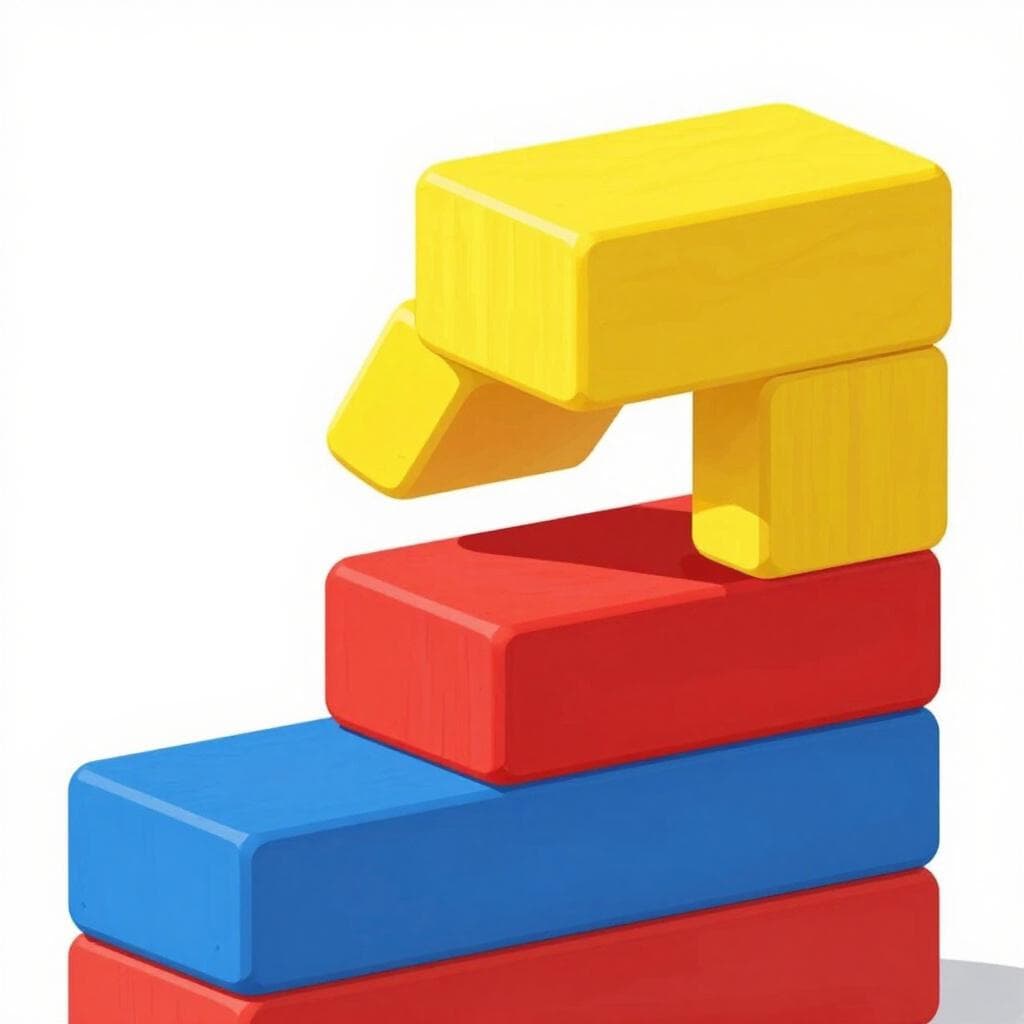


extra
ESS-trahˈeks.tɾa

Examples
Necesitamos comprar comida extra para la fiesta.
We need to buy extra food for the party.
Trabajé dos horas extra hoy.
I worked two extra hours today.
Tengo una batería extra en mi mochila.
I have a spare battery in my backpack.
Adjective Placement
Unlike many adjectives, 'extra' almost always goes after the noun it describes: 'tiempo extra' (extra time), not 'extra tiempo'.
Changing the Form
Mistake: “Compramos comidas extras.”
Correction: Compramos comida extra. 'Extra' usually stays the same regardless of whether the noun is singular or plural, masculine or feminine.
adicional
ah-dee-syoh-NAHLaðiθjoˈnal

Examples
Necesito una silla adicional para el invitado.
I need an additional chair for the guest.
¿Hay algún cargo adicional por el envío?
Is there any additional charge for shipping?
Si tienes preguntas adicionales, puedes escribirme.
If you have further questions, you can write to me.
El precio base es cien, más el adicional por el servicio.
The base price is one hundred, plus the extra for the service.
One size fits all
This word doesn't change for gender. Whether you are talking about a boy (masculine) or a girl (feminine), or a car (masculine) or a table (feminine), the word is always 'adicional'.
Word Order
In Spanish, 'adicional' almost always comes after the thing you are describing, unlike in English where we say 'additional information'.
Turning Adjectives into Nouns
In Spanish, you can often put 'el' or 'un' in front of an adjective like 'adicional' to turn it into a noun meaning 'the extra thing'.
The 'Adicionala' Error
Mistake: “una página adicionala”
Correction: una página adicional. Words ending in -al in Spanish don't change to -a for feminine things.
agregado
ah-greh-GAH-dohaɣɾeˈɣaðo

Examples
Este yogur no tiene azúcar agregado.
This yogurt has no added sugar.
Es importante el valor agregado del producto.
The added value of the product is important.
Hay un párrafo agregado al final de la página.
There is a paragraph added at the end of the page.
Matching the Noun
Since this acts as a description word, its ending changes to 'agregada' if the thing you are describing is feminine, like 'información agregada' (added information).
The '-ado' ending
This word is the 'past participle' of the verb 'agregar' (to add). Think of it as the Spanish version of the '-ed' ending in English.
Added vs. Attached
Mistake: “Using 'agregado' for email attachments.”
Correction: Use 'adjunto' for email files. Use 'agregado' when something is mixed in or joined to a whole.
repetido
reh-peh-TEE-dohre.pe.ˈti.ðo

Examples
Tengo este cromo repetido, ¿quieres cambiarlo?
I have this sticker repeated (a duplicate), do you want to trade it?
No compres ese libro, ya lo tenemos repetido en casa.
Don't buy that book, we already have a duplicate at home.
Dame tus repetidos y yo te doy los míos.
Give me your duplicates and I'll give you mine.
Using it as a noun
Sometimes people drop the noun and just say 'un repetido' to mean 'a duplicate item', especially when trading cards or stickers.
Using 'double' instead
Mistake: “Tengo un cromo doble.”
Correction: Tengo un cromo repetido.
reforzado
reh-for-SAH-dohreforˈsaðo

Examples
Hay una vigilancia reforzada en el aeropuerto por el evento.
There is increased surveillance at the airport because of the event.
Tras la crisis, su autoridad salió reforzada.
After the crisis, his authority came out strengthened.
Necesitas un apoyo reforzado para terminar este proyecto a tiempo.
You need extra support to finish this project on time.
Abstract Strengthening
Even though it sounds physical, you can use 'reforzado' for invisible things like ideas, security, or positions in a company.
Don't confuse with 'mayor'
Mistake: “La seguridad es más reforzada.”
Correction: La seguridad está reforzada.
adicional
ah-dee-syoh-NAHLaðiθjoˈnal
Examples
El precio base es cien, más el adicional por el servicio.
The base price is one hundred, plus the extra for the service.
Necesito una silla adicional para el invitado.
I need an additional chair for the guest.
¿Hay algún cargo adicional por el envío?
Is there any additional charge for shipping?
Si tienes preguntas adicionales, puedes escribirme.
If you have further questions, you can write to me.
One size fits all
This word doesn't change for gender. Whether you are talking about a boy (masculine) or a girl (feminine), or a car (masculine) or a table (feminine), the word is always 'adicional'.
Word Order
In Spanish, 'adicional' almost always comes after the thing you are describing, unlike in English where we say 'additional information'.
Turning Adjectives into Nouns
In Spanish, you can often put 'el' or 'un' in front of an adjective like 'adicional' to turn it into a noun meaning 'the extra thing'.
The 'Adicionala' Error
Mistake: “una página adicionala”
Correction: una página adicional. Words ending in -al in Spanish don't change to -a for feminine things.
General vs. Specific Addition
Related Translations
Learn Spanish with Inklingo
Interactive stories, personalized learning, and more.